Couple's Shelter 'Sausage Dog' Adoption Reveals Surprising Crossbreed Growth
A couple has shared their astonishment after realising there was something unusual about their beloved 'sausage dog' adopted from a rescue centre, though their affection for her remains undiminished. The story, which has captivated social media, underscores the unpredictable nature of adopting pets from shelters without clear breed documentation.
The Initial Adoption and Growing Suspicion
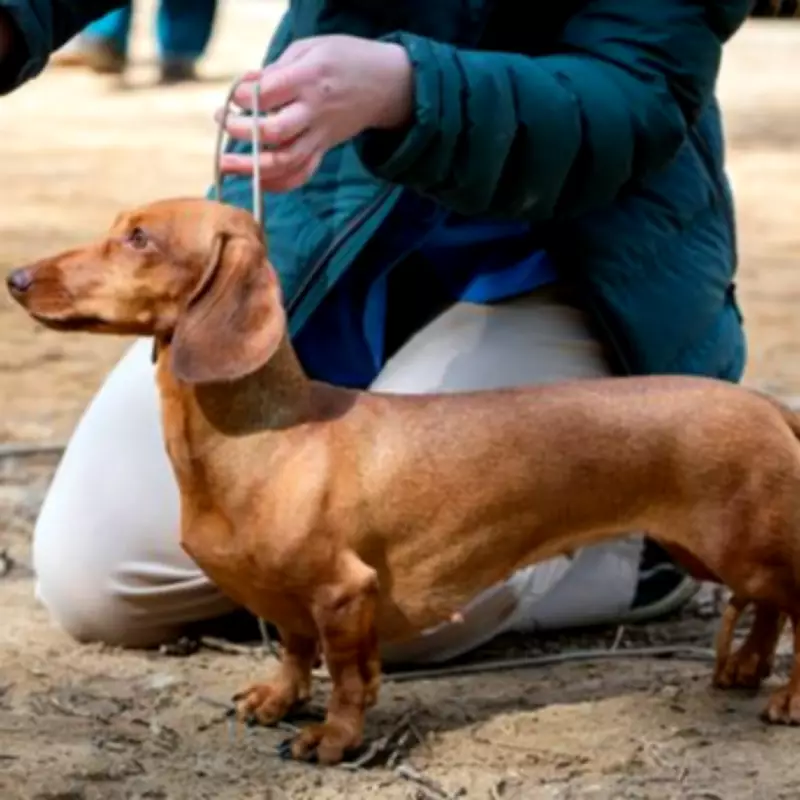
Full of excitement, the couple adopted what they believed was a dachshund puppy, naming her Mochi. They prepared meticulously, purchasing a suitably sized bed, collar, and toys to ensure her comfort in their home. As months passed, their bond with Mochi deepened, but they began to notice something was amiss with their supposedly small dog.
In an Instagram video posted by the account @dogsofdancr, the moment of realisation unfolded. The caption explained, "We thought she was a weenie dog. We had decided to go to the pound to look for dogs. We knew we needed a small one and she just sat there sweet and quiet, and she looked just like a weenie dog puppy."

The Surprising Revelation
The video reveals Mochi, now fully grown, as noticeably larger than a typical dachshund, with the owner remarking, "Little did we know we got this gorgeous grown-up baby girl dog." It is suspected that Mochi is a crossbreed, though without a DNA test, her exact breed mix remains a mystery, highlighting common challenges in shelter adoptions where lineage is often unclear.
Social media reactions were mixed. One user commented, "She's long but not in proportion to be a ween. Head shape, tail and legs are way too different. Sorry but I didn't see it." Another added, "She is adorable, and whoever adopted her is very lucky. I'm a cat lady, and for the last five minutes I cannot stop smiling."
Broader Implications for Crossbreed Health and Ownership
This incident ties into broader discussions about crossbreed dogs, particularly regarding health perceptions. According to research from the Royal Veterinary College (RVC), the common belief that crossbreeds are inherently healthier than pedigrees has been debunked.
Dr Rowena Packer, Senior Lecturer in Companion Animal Behaviour and Welfare Science at the RVC and senior author of a related paper, stated, "The popularity of designer crossbreeds, particularly Poodle crosses, has boomed over the past decade in the UK. With cute, teddy bear-like features, their aesthetic appeal to many households is clear."
She further explained, "This study has demonstrated that although the health of designer Poodle crosses is no worse than their parent breeds', it is also no better. This means that owners should still be strongly focused on purchasing from breeders who prioritise health and temperament over looks in their breeding decisions, and not assume their puppy will automatically be healthy due to being a crossbreed."
Dr Packer also warned, "Prospective owners should be extremely mindful that the popularity of Poodle crosses means they are at high risk of coming from poor welfare sources such as puppy farms and illegal imports to meet this demand, which could negatively influence their future health and welfare."
The couple's experience with Mochi serves as a reminder of the joys and surprises of pet adoption, while emphasising the importance of responsible breeding and informed ownership in the pet industry.