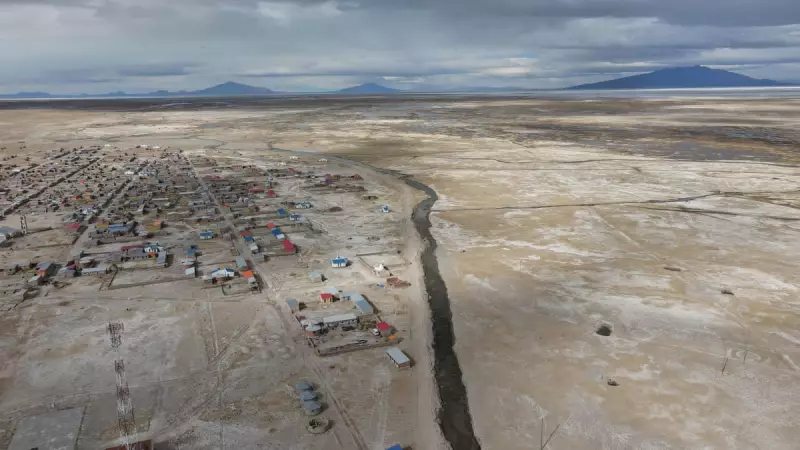
On Bolivia's vast, windswept Altiplano plateau, a 4,000-year-old civilisation is teetering on the brink. The Uru Chipaya people, one of South America's most ancient Indigenous cultures, are confronting a devastating combination of climate catastrophe and cultural erosion that threatens their very survival.
A Landscape Drying into Salt
The central town of Chipaya, the heart of Uru Chipaya territory, lies just 35 miles from the Chilean border, nearly 4,000 metres above sea level. Here, the air is thick with dust and the streets are often deserted. The once-fertile land now glows with a white, salty crust, a stark symbol of the environmental crisis unfolding. Mayor Flora Mamani Felipe, the community's first female leader, states plainly: "We are an ancient culture, and we're now in danger of extinction."
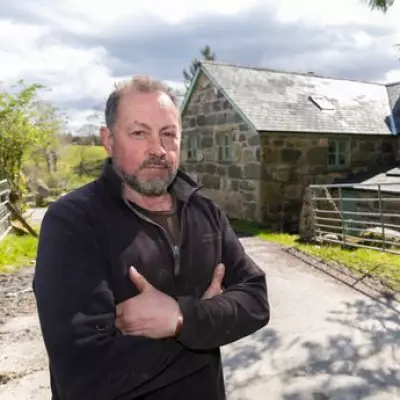
The crisis is multifaceted. The nearby Lake Poopó, once Bolivia's second-largest lake and a vital fishing resource, has completely vanished. Crops fail regularly due to a lethal mix of drought, frost, floods, and critically, rising soil salinity. Severo Paredes Condori, a 63-year-old herder, explains the annual battle: "We wash the soil to reduce salinity, but after a year comes the salt, and the ground gets white. Too much salt destroys the grass for the animals."

The Human Tide: Migration to Chile
With livelihoods destroyed, a mass exodus is underway. An estimated 60% of Chipaya's 2,000 inhabitants now hold Chilean nationality, and most families have relatives who have left to find work. Mayor Mamani reveals the profound cultural cost: "The children who study there no longer speak our language, only Spanish. My daughter also speaks very little now."
Paredes Condori's story is typical. His son works in Chile, visiting only once a year. "I have grandchildren in Chile. They don't even have a Bolivian identity card," he says. This migration strips the community of its working-age population, leaving behind mainly the elderly and schoolchildren. Anthropologist Gabriel Moreno warns, "If it weren't for school and college in Chipaya, the Uru Chipaya people and culture would disappear."
Health, Heritage and a Disappearing Way of Life
The impacts extend deep into daily health and tradition. Juan Condori, a local health worker for 15 years, notes a shift in diseases, with more cases of diarrhoea and coughs. Environmental researcher Mohammed Mofizur Rahman links this to saline water consumption, warning it could be "the tip of the iceberg" for more severe health issues like hypertension.
The Uru Chipaya's famed ancestral water management skills, which once earned them the name "people of water", are now obsolete as rivers dry up. "There are no birds any more. We used to fish for trout in this river, but there are no fish now," laments Mayor Mamani. Sebastián Quispe Lázaro, the community's tourism leader, observes chaotic weather patterns: "When I was a child, the sky was always blue this time of the year. Now we have all four seasons in one day."
Despite the bleak outlook, there are efforts to sustain the culture. Gabriel Moreno is involved in projects like cultivating the totora reed as alternative animal fodder. He emphasises the urgency of preserving oral history and strengthening bonds between elders and youth. The community hopes for a UNESCO declaration in 2026 recognising them as the world's oldest living culture—a status that may come too late without immediate intervention.
For those like Severo Paredes Condori who remain, the connection to the land is unbreakable, even as it turns against them. He expects to die on his ancestors' land, picturing a bleak future: "When I die, they will make a video call via WhatsApp from Chile – and others will take me to the cemetery in a wheelbarrow." The fate of the Uru Chipaya stands as a poignant testament to the human cost of the climate crisis, where an entire ancient way of life is being slowly erased by salt and wind.