Starmer Announces Heating Oil Support and Rejects Trump's Hormuz Demands
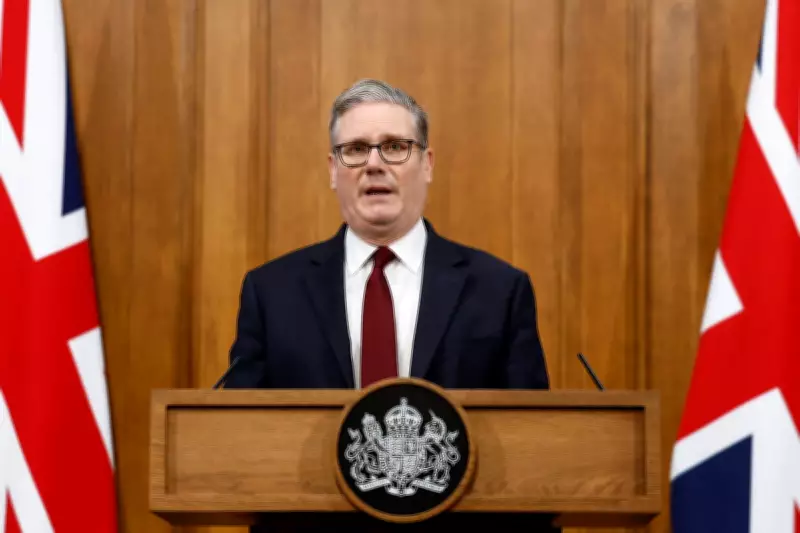
Prime Minister Sir Keir Starmer has declared that the United Kingdom will not be drawn into a wider war, despite pressure from former US President Donald Trump, as he addresses the economic fallout from the Iran conflict. The vital Strait of Hormuz shipping route has been effectively closed due to the ongoing war, leading to a significant rise in global oil prices that is impacting households across the UK.
Collaborative Plan to Reopen Strait of Hormuz
Sir Keir Starmer revealed that the UK is actively working with European partners to develop a viable collective plan aimed at reopening the Strait of Hormuz. This strategic initiative seeks to restore safe navigation through the critical waterway, which is essential for global oil shipments, while simultaneously mitigating the broader economic impacts of the closure. The Prime Minister emphasised that the goal is to avoid escalation into a wider conflict, stating firmly that the UK will not be drawn into such a scenario.
Economic Measures to Support UK Households
Acknowledging the severe impact of increasing oil and gas prices on British families, Starmer announced a comprehensive package of measures designed to provide relief. Key components include:
- A legal direction issued to energy companies, mandating them to pass on savings to consumers as market conditions allow.
- A £53 million support package specifically targeted at vulnerable heating oil customers, aimed at helping them manage rising energy costs during this period of instability.
These steps are part of a broader effort to cushion the economy from the shocks caused by the disrupted oil supply chain.
Global Context and Diplomatic Stance
The announcement comes amid heightened tensions in the Middle East, with the Iran war disrupting key maritime routes. Starmer's approach underscores a commitment to diplomatic solutions and collective action with allies, rather than unilateral military engagement. By focusing on economic support and international cooperation, the UK aims to navigate the crisis without compromising its stance against broader conflict involvement.
This move highlights the government's prioritisation of domestic welfare and global stability in the face of escalating geopolitical challenges.