Woolly Mammoth Resurrection Project Aims for 2028 Hybrid Creature Release
In a groundbreaking development, the world's first dedicated 'de-extinction' company has announced ambitious plans to resurrect the woolly mammoth, with a target date set for 2028. US-based biotech firm Colossal Biosciences asserts it is making significant progress toward creating a hybrid creature that would closely mirror the appearance and behaviour of the iconic Ice Age species.
Scientific Breakthroughs and Genetic Engineering
Colossal Biosciences, headquartered in Dallas, Texas, has meticulously assembled more than 50 mammoth genomes, spanning an impressive 1.2 million years of evolutionary history. By comparing mammoth DNA with that of its closest living relative, the Asian elephant, scientists have identified several hundred key genes responsible for classic mammoth traits.
These traits include shaggy fur, smaller ears to minimise heat loss, extra fat layers for insulation, and specialised blood proteins that function effectively in deep cold conditions. The firm's strategy involves using advanced gene-editing tools to modify elephant cells, followed by cloning techniques to transform these edited cells into viable embryos for implantation in surrogate elephant mothers.

Climate Change Mitigation and Ecological Impact
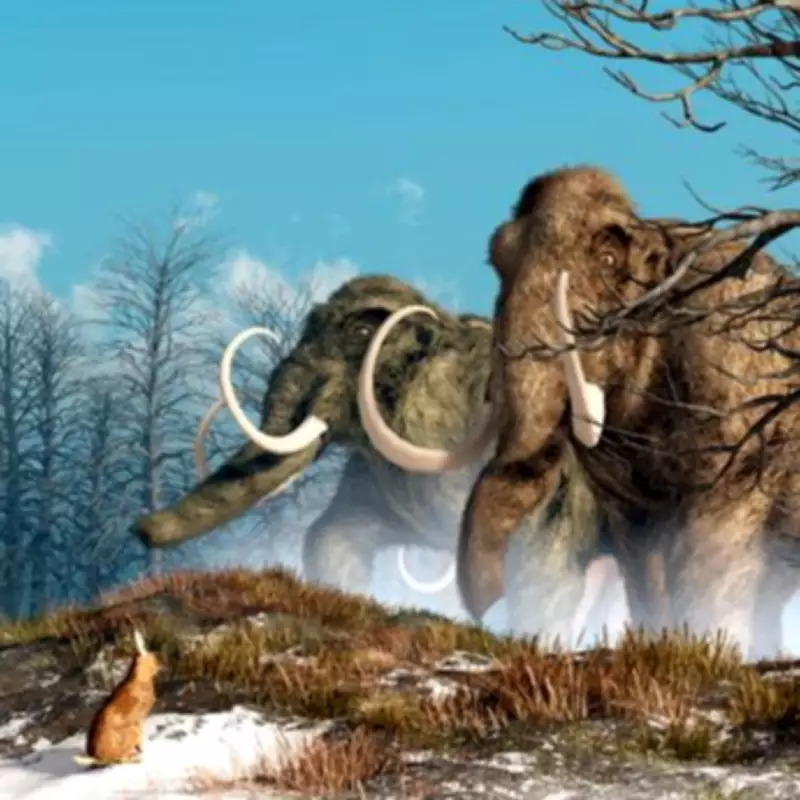
Proponents of the project argue that reintroducing woolly mammoths could play a crucial role in combating climate change. Historically, woolly mammoths roamed vast regions from Europe to North America, shaping expansive 'mammoth steppe' grasslands. As keystone grazers, they trampled snow, suppressed shrub and tree growth, dispersed seeds, and helped maintain permafrost in a frozen state during winter months.
Some scientists suggest that deploying large, cold-adapted grazers like mammoths on modern tundra landscapes could slow the rapid thawing of permafrost, thereby reducing the release of potent greenhouse gases such as methane and carbon dioxide. Colossal Biosciences envisions its engineered 'mammoth-like' elephants serving as ecosystem engineers in the warming Arctic, potentially restoring ecological balance.
Ethical Debates and Conservation Priorities
Despite the promising scientific advancements, the project faces substantial criticism from various quarters. Critics contend that the considerable financial resources and research efforts should be directed toward protecting existing, endangered species that are currently at risk of extinction. They argue that editing an elephant to resemble a mammoth does not constitute true resurrection but rather the creation of a novel, genetically engineered animal.
Concerns have also been raised regarding animal welfare, the astronomical costs involved, and the ethical implications of diverting scarce conservation funding away from immediate threats to biodiversity. Evolutionary biologists emphasise that the resulting creature would not be a 100% genetic clone of a woolly mammoth, but a hybrid designed to replicate its physical and behavioural characteristics.
Practical Challenges and Future Steps
Colossal Biosciences is currently conducting preliminary trials using fast-breeding laboratory mice to test combinations of genetic edits. In early experiments last year, researchers successfully created 'woolly mice' with longer, wavier, golden coats, and these traits were passed on to offspring without apparent health complications.
Looking ahead, the company plans to implement multiple gene edits simultaneously to accelerate the development of animals capable of withstanding harsh Arctic conditions. However, numerous practical hurdles remain, including years of meticulous planning for potential releases into the wild.
This would involve fenced trial areas, rigorous ecological monitoring, and obtaining consent from Indigenous communities and local governments. Additional welfare considerations centre on how mammoth calves would be raised, where they would acquire essential 'elephant culture' from matriarchal herds, and how they would be safeguarded during brutal winter months.

Broader Conservation Implications
In response to criticism, Colossal Biosciences has established a non-profit arm, the Colossal Foundation, which reportedly funds dozens of conservation projects worldwide. The company argues that the technological toolkit developed for mammoth de-extinction could also benefit contemporary wildlife conservation efforts.
Techniques involving elephant stem cells, assisted reproduction, and enhanced genetic diversity could prove invaluable for protecting endangered Asian elephants, the very species providing the DNA template for the project. With fewer than 50,000 Asian elephants remaining in the wild, such innovations might offer a lifeline for their survival.
Woolly mammoths, which stood approximately 3.4 metres at the shoulder and weighed up to six tonnes, vanished from most mainland areas between 13,000 and 10,000 years ago. A small, inbred population persisted until about 4,000 years ago on Wrangel Island in the Arctic. Their extinction coincided with the end of the Ice Age, habitat fragmentation due to warming climates, and increased hunting pressure from spreading human populations.
As Colossal Biosciences forges ahead with its 2028 target, the world watches closely, balancing fascination with scientific possibility against profound ethical and ecological questions about humanity's role in reshaping nature.