AI's Hidden Thirst: The Water Footprint of Your Chatbot Conversations
As artificial intelligence advances at unprecedented rates, growing environmental concerns are focusing on the vast quantities of water consumed by this rapidly expanding technology. The hidden resource demands of everyday AI interactions are sparking widespread debate about sustainability and resource management in the digital age.
The Diverging Estimates of AI's Water Usage
Each prompt or question fed to AI systems requires energy and water to cool the data centres housing the sophisticated software. Industry estimates vary dramatically, creating confusion about the true environmental impact. Sam Altman, chief executive of OpenAI, has stated that ChatGPT uses less than one-fifteenth of a teaspoon for an average query. Similarly, a Google Gemini study claims an average AI prompt consumes less than 0.3 millilitres of water.
However, other research presents a far more concerning picture. A 2023 University of California study calculated that ChatGPT "drinks" approximately 500 millilitres of water for every ten to fifty medium-length responses. More alarmingly, a report by the UK Government Digital Sustainability Alliance predicts AI could drive global water usage from 1.1 billion to 6.6 billion cubic metres by 2027. This staggering increase represents more than half of the United Kingdom's total water consumption.

Why AI Systems Consume Substantial Water Resources
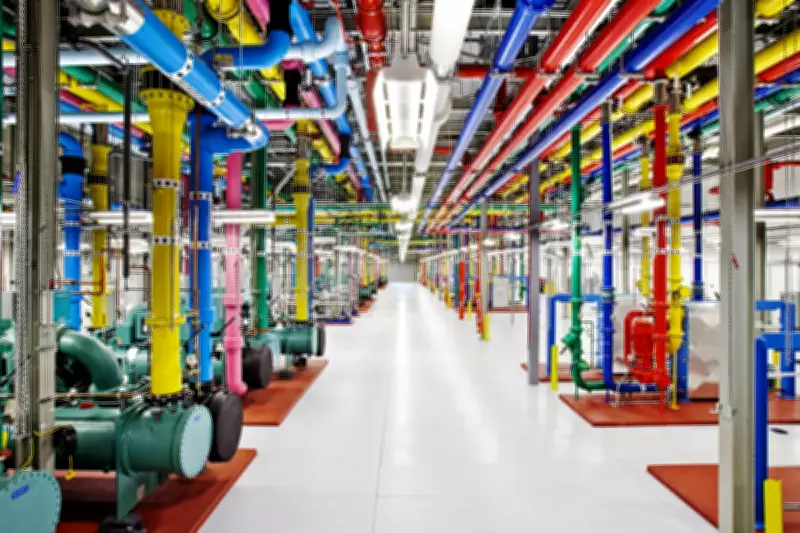
Data centres powering software like ChatGPT and Google Gemini rely heavily on water for multiple critical functions. Water cools the systems to prevent overheating, generates the electricity required for operations, and supports hardware manufacturing processes. The Lincoln Institute of Conventional Policy reveals that a mid-sized data centre consumes as much water as a small town, while larger facilities requiring up to five million gallons daily match the consumption of cities with fifty thousand residents.
Nearly sixty-eight percent of data centres are located near protected or key biodiversity areas where ecosystems and communities depend on clean water supplies. As AI expansion continues, this proximity raises significant environmental concerns about resource competition and ecological preservation.
Growing Concerns About Water Scarcity and Local Impacts
Environmental advocates express mounting anxiety about AI's water consumption placing additional strain on already limited global supplies. Data centres using local water resources create pressure on surrounding communities, particularly in regions experiencing water scarcity. The Government Digital Sustainability Alliance Planetary Impact working group warns that demand for fresh water is expected to exceed supply by forty percent by 2030.
Furthermore, fifty-five percent of global data centres operate in river basins with high pollution risks, potentially rendering local water unsafe and exacerbating regional water scarcity. Shaolei Ren, an engineering professor at the University of California, emphasises that water represents a local and seasonal resource. "There's plenty of water in total, but just not everywhere or every time we need it," he explains, highlighting infrastructure challenges during peak summer usage periods.
The Expert Debate: Crisis or Overstated Concern?
Opinions diverge sharply among specialists regarding whether AI's water consumption constitutes a genuine global crisis. Andy Masley, director of Effective Altruism DC, argues that individual water footprints from AI usage remain remarkably small. He notes that hundreds of thousands of ChatGPT prompts require less water than producing a single pair of jeans, which the United Nations estimates consumes approximately 7,500 litres.
"That's incredibly small by the standards of how most people use water in their day-to-day lives," Masley told The Independent. He calculates that a person would need to submit over one thousand prompts daily to increase their water footprint by just one percent. Sam Gilbert, a researcher at Cambridge University's Bennett School of Public Policy, agrees the 500-millilitre estimate for ChatGPT responses appears "probably overstated" and insignificant compared to typical human water consumption.

However, Nick Couldry, a sociologist from the London School of Economics, counters that regardless of specific calculations, society must consider the sustainability of massively increased data processing. "Even if water usage can be reduced, technology companies want and need us to use AI constantly for even more of our lives," he argues, suggesting addictive business models could create unsustainable environmental demands.
Regulatory Responses and Industry Solutions
The European Union now mandates that data centres report their annual freshwater consumption, reflecting growing regulatory attention to this issue. Thames Water has warned data centres about potential usage restrictions during heatwaves, highlighting seasonal vulnerability. Meanwhile, technology companies are developing innovative solutions to mitigate environmental impacts.
Google's data centre in Waltham Cross employs air-cooling technology to limit water usage, with a company spokesperson stating their facilities represent "some of the most efficient in the world." Google has committed to replenishing 120 percent of the water it consumes on average. Professor Ren notes that AI can paradoxically help conserve water through technologies detecting leaks and improving distribution efficiency. The World Economic Forum reports that fully implemented AI-enabled water solutions in the United States could reduce water use by fifteen percent.
As artificial intelligence becomes increasingly embedded in daily life, the conversation about its environmental footprint continues evolving. The tension between technological advancement and resource conservation presents complex challenges requiring transparent corporate reporting, innovative engineering solutions, and thoughtful public policy to ensure sustainable development.