The discovery of seven rare species across Scotland in 2025 has been hailed as a significant victory for conservation efforts. The National Trust for Scotland (NTS) announced the finds, describing them as a powerful indicator that its work to protect habitats is paying off.
A Remarkable Year for Rare Wildlife
Among the most notable discoveries were endangered corncrake chicks on the Treshnish Isles. This confirmed successful breeding in an area the trust only acquired in 2023, marking a rapid conservation win. The finds were not limited to birds, however, showcasing a breadth of biodiversity.
The list of remarkable species located includes:

- A rare rove beetle at the Ben Lawers national nature reserve.
- The Scotch annulet moth on the Isle of Canna.
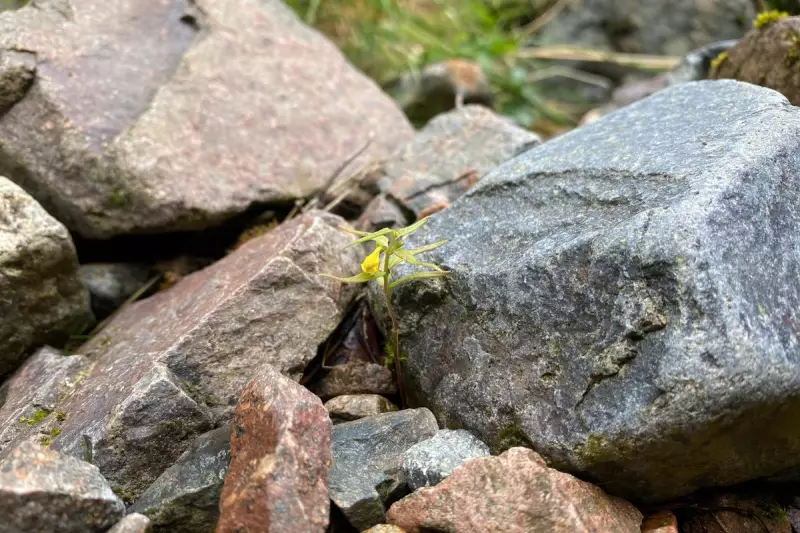
- Various butterfly-orchids at Bannockburn and Torridon.
- The rare blue-hued fungus, Cortinarius eucaeruleus, at Killiecrankie.
- New populations of small cow-wheat and the rare lichen Thelocarpon actonii at Glencoe.
A Testament to Conservation in a Changing Climate
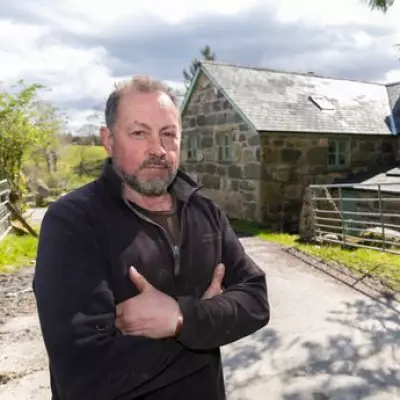
Jeff Waddell, NTS Head of Nature Conservation, emphasised the importance of these discoveries. He stated that they highlight the critical need to safeguard nature against the dual threats of climate change and habitat loss. Each find reinforces the value of the ongoing, dedicated conservation work carried out by the trust and its partners.
These discoveries, made across diverse sites from islands to mountains, provide tangible evidence that creating and managing protected spaces can yield positive results. They offer a beacon of hope for other conservation projects across the UK and beyond.
What This Means for Scotland's Natural Heritage
The presence of these seven species, some of which are highly endangered, acts as a vital health check for Scotland's ecosystems. It demonstrates that with appropriate management, even species on the brink can recover and thrive. This success story is likely to inform and inspire future conservation strategies aimed at preserving the nation's unique natural heritage for generations to come.