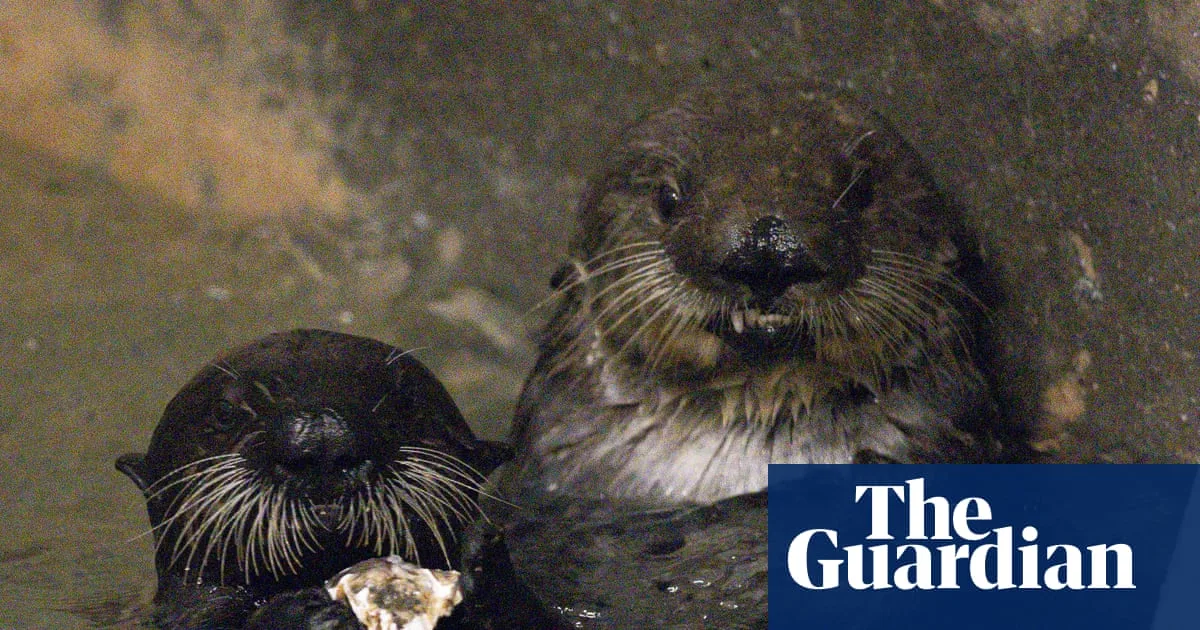
A young southern sea otter named Rey has adopted an orphaned pup called Sunny at the Aquarium of the Pacific in Long Beach, California. The two were paired last month as part of a surrogacy programme run jointly with the Monterey Bay Aquarium, which aims to rehabilitate and release orphaned pups into the wild.
Sunny, about two weeks old, was found alone on Asilomar State Beach in February. Rey, around two and a half years old, was herself found stranded and spent time at another facility before moving to Long Beach. The pairing went smoothly, and the two now live as mother and daughter at the aquarium.
The surrogacy programme, created by the Monterey Bay Aquarium in the 1990s and launched in Long Beach in 2024, pairs maternal-age female otters with motherless pups. According to Megan Smylie, the sea otter programme manager, the operation has rehabilitated and released nine otters into the wild, with three more expected to leave by summer.
However, Sunny and Rey cannot be released because they are too accustomed to humans and lack survival instincts. Instead, they will remain in captivity, with Rey raising Sunny as her first pup. The pair have been seen manipulating imitation crab shells and foraging for food, and Rey may eventually teach Sunny to use tools, such as rocks to crack clamshells.
Southern sea otters, once hunted to near extinction for their fur, are now a federally threatened species with a population of about 3,000 along California's coast. The surrogacy programme plays a vital role in boosting pup survival rates, which are low due to threats like parasites and shark attacks. Staff hope Sunny may one day become a surrogate mother herself, ensuring the species' preservation.