National Trust Transforms Historic Barges into Innovative Bird Sanctuary
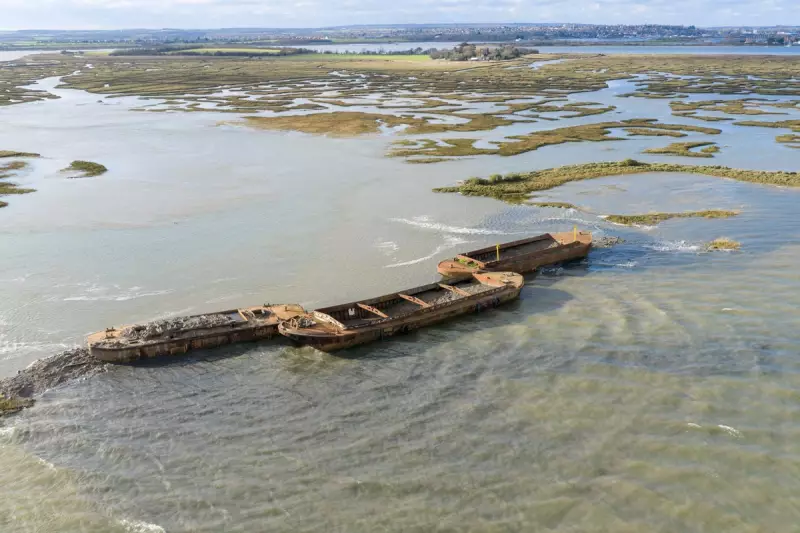
In a pioneering conservation initiative, the National Trust has successfully sunk three decommissioned barges to create a brand new island habitat for birds within the Blackwater Estuary in Essex. This innovative project represents a significant step forward in marine habitat restoration, blending historical preservation with contemporary environmental stewardship.
Engineering a New Avian Refuge
The three vessels, identified as Thames lighters dating back to the 1950s, have been repurposed through an extensive engineering process. These flat-bottomed barges, measuring between 20 and 32 metres in length, once transported essential materials including building supplies, coal, and food from the Port of London. After being decommissioned, they have now found a remarkable new purpose as the foundation for a vital wildlife sanctuary.
Specialist contractors undertook meticulous work to prepare the vessels, ensuring they were thoroughly cleaned and made seaworthy before being carefully towed into position. Strategic holes were cut into their hulls to facilitate controlled sinking, after which they were filled with approximately 8,000 cubic metres of sediment – equivalent to the volume of three Olympic swimming pools. This sediment, primarily consisting of mud, serves to weigh down and secure the structures, creating a stable platform for the emerging island.

Creating Vital Habitat for Vulnerable Species
The newly formed island, situated just off the eastern shore of the National Trust's existing Northey Island, will provide crucial refuge for multiple bird species that have experienced population declines. Among the species expected to benefit are dunlin, curlew, lapwing, ringed plover, little terns, and avocets. Once fully established with a gravel topping, the island will sit safely above the highest tides, offering protection from coastal disturbances.
Katy Gilchrist, coastal project manager for the National Trust, described the initiative as "the ultimate act of marine recycling", emphasising the transformation of retired industrial vessels into a sanctuary for wildlife. "We're basically turning history into habitat and, as far as we know, no one has attempted anything quite like this before," she remarked, highlighting the project's innovative nature.
Multiple Environmental Benefits
Beyond providing essential bird habitat, the new island delivers additional environmental advantages. Matt Wilson, countryside manager for the National Trust, explained that the structure will help reduce erosion of the existing saltmarsh at Northey Island. As tides flow into the estuary, their force gradually erodes these vital natural flood defences, impacting the wildlife that depends on them.
Saltmarsh represents one of the most significant natural carbon stores within marine landscapes. By sheltering the marsh from wave energy, the new island will help slow erosion rates and protect this precious habitat. "Depending on the time of year, the different birds we hope to see include oystercatchers, Brent geese, redshank and curlew," Wilson noted, expressing optimism about the project's potential to support diverse avian populations.
Logistical Scale and Future Prospects
The construction process involves substantial logistical coordination, with a dredge barge requiring approximately 170 trips from Maldon harbour to transfer all necessary sediment to cover the barges. Once complete, the island will add 0.55 hectares of new habitat – nearly equivalent to the size of a standard football pitch – within the Blackwater Estuary.
The National Trust will continue topping the island with sediment in the coming period, after which conservationists will monitor when birds begin utilising their new sanctuary. This project exemplifies creative approaches to habitat restoration that simultaneously address historical preservation, wildlife conservation, and coastal protection challenges.