A citizen campaign has successfully returned the iconic kiwi bird to New Zealand's capital, Wellington, after more than a century of absence. The kiwi, a sacred national symbol, had vanished from the hills surrounding the city. Now, through the efforts of the Capital Kiwi Project, these endangered flightless birds are being reintroduced.
Citizen-Led Conservation Effort
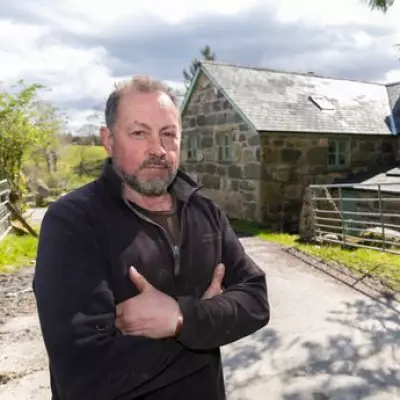
Paul Ward, founder of the Capital Kiwi Project, a charitable trust, expressed the significance of the initiative. 'They are a part of who we are and our sense of belonging here,' he said. 'But they've been gone from these hills for well over a century and we decided as Wellingtonians that wasn't right.' On a misty hill overlooking the Cook Strait, Ward and his team carried seven crates by red torchlight, each containing a kiwi. Among them was the 250th bird relocated to Wellington since the project began.
The Kiwi's Cultural Importance
The kiwi is spiritually significant for many New Zealanders, giving them their common nickname. It is a shy, odd-looking bird with underdeveloped wings and a whiskery face. Its image appears on the tail of the country's air force planes, despite being flightless. Historically, there were an estimated 12 million kiwi before human arrival, but today only about 70,000 remain, with numbers declining by 2% annually.

A Historic Release
In the hills where the kiwi now live, the only sound was the whoosh of wind turbines. The team set the crates down, slid them open, and gently tilted them. Some onlookers were tearful, and a Māori prayer was chanted. From each crate, a long curved beak emerged as the kiwi took tentative steps into the landscape before disappearing into the darkness.
Parliamentary Celebration
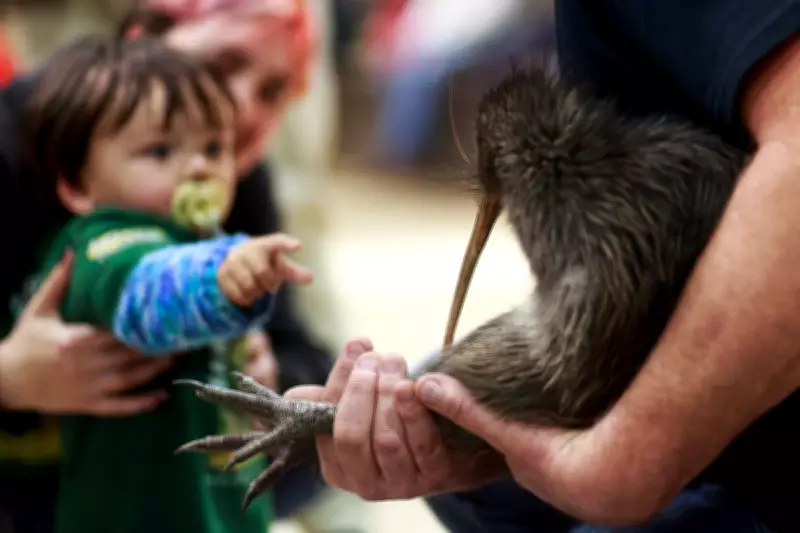
Earlier, the seven kiwi were brought into New Zealand's Parliament for a celebration of the milestone. Lawmakers and schoolchildren expressed delight at seeing the timid birds up close. Ward told the Associated Press, 'This animal has given us as a people so much in terms of our sense of identity. We want to challenge our civic leaders, our politicians and say this is a relationship we need to honor.'
From Sanctuaries to Urban Life
New Zealand is home to some of the world's rarest bird species, many saved by conservation programs. Previous initiatives moved birds to predator-free islands or sanctuaries, but Ward dreamed of kiwi flourishing alongside people in a bustling city. 'Where people are is also the places where we can bring them back because we've got the means to do that guardianship,' he said.
Trapping and Predator Control
Unmanaged kiwi populations are shrinking, but those in carefully managed sanctuaries thrive, prompting relocations to Wellington. Kiwi have been spotted by mountain bikers and on security cameras. Over a decade, efforts between landowners, local Māori tribe, and the Capital Kiwi Project have created a 24,000-hectare habitat with over 5,000 traps for stoats, the main predator of kiwi chicks. The Wellington population now has a 90% chick survival rate.
National Predator-Free Goal
The kiwi initiative is part of New Zealand's goal to eliminate introduced predators by 2050. Since the target was set in 2016, community groups have taken up the work. Parts of Wellington are now free of mammalian predators except household pets, and native birds flourish. Michelle Impey, CEO of Save the Kiwi, said, 'When I think of endangered species globally, for the most part you can't do much other than campaign or donate money. But we have this incredible movement throughout the country where everyday people are taking it on under their own steam to do what they can to protect a threatened species.'