
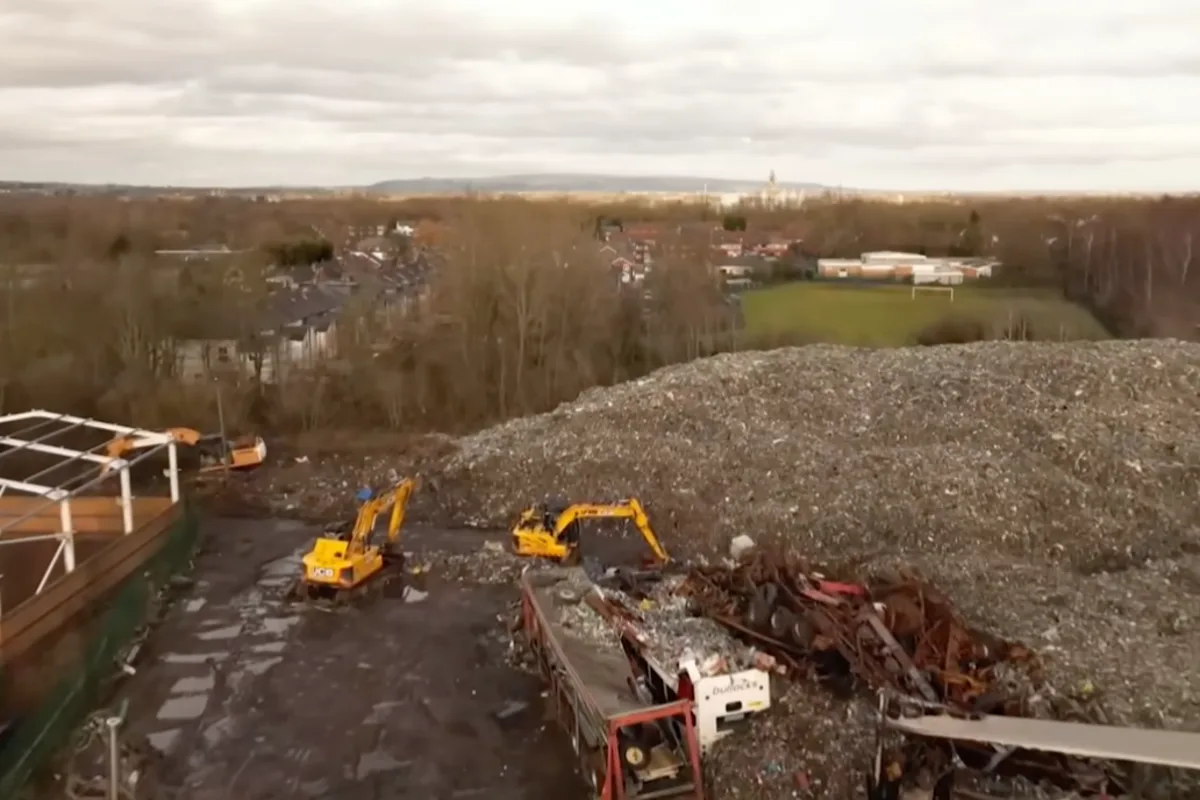
A portion of the site dubbed the UK's “worst illegal waste dump” in Bickershaw, Wigan, is owned by the Duchy of Lancaster, the King’s private estate. However, the Duchy has said it is exempt from cleaning it up due to an ancient feudal legal framework dating back more than 700 years, according to an investigation by Channel 4 News.
The broadcaster suggested the Duchy is shifting responsibility for the clean-up by offering the land to Wigan Council. This refusal to take proactive action goes against Environment Agency guidance that landowners are responsible for clearing waste on their own property. The agency has launched a criminal investigation.
The Duchy says it does not take on liabilities for escheated property—abandoned or ownerless land—under escheat law. It has offered to transfer the land to Wigan Council and work with them to resolve the issue. A spokesperson said the majority of the site is owned by other parties.
In July, a blaze on the waste site took 10 days to extinguish, forcing nearby businesses to close and children to miss school. Josh Simons, MP for Makerfield, called it a “shocking state failure”. The Environment Agency said it is doing everything in its powers to manage the site and identify perpetrators.
Wigan Council said it would need to consider the terms of any arrangement with the Duchy, as the land value is unlikely to surpass the clean-up cost. The Duchy reiterated that approximately 70% of the illegal tipping site is owned by other parties, and it remains committed to working with the community and agencies to address the issue.




