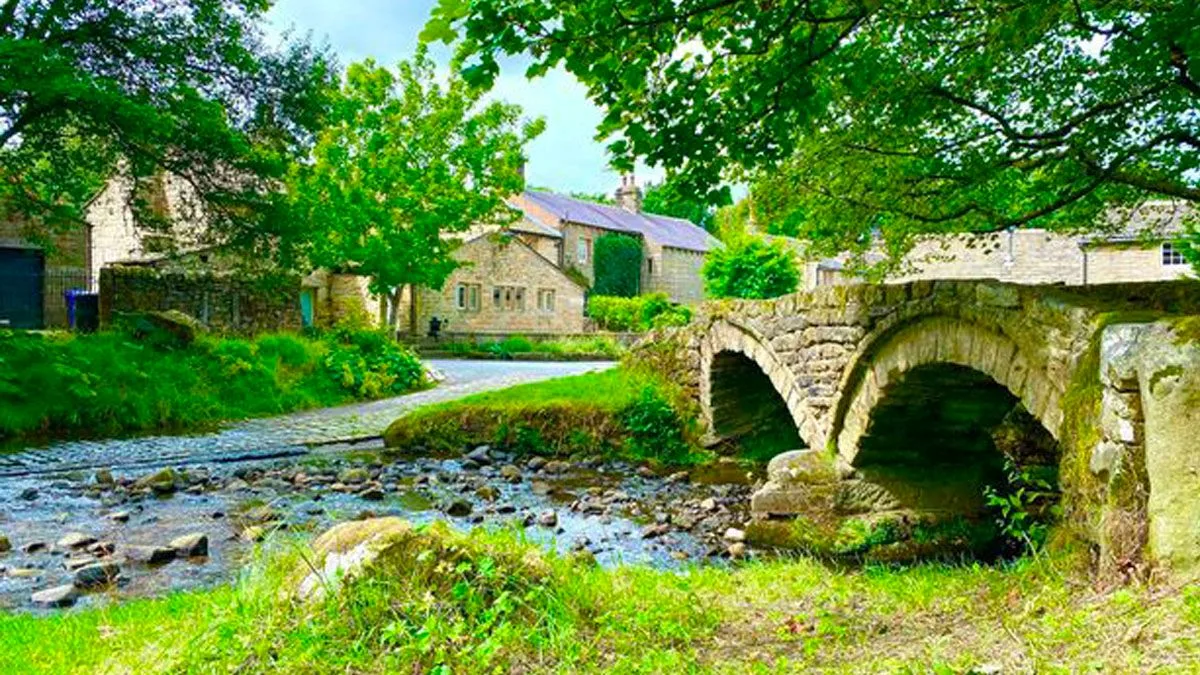
Nestled in the Lancashire countryside, the village of Wycoller offers a rare glimpse into the past, with its ancient bridges, ruined hall, and a ban on cars that preserves its tranquil atmosphere. The village, which inspired the setting for Ferndean Manor in Charlotte Brontë's Jane Eyre, feels 'frozen in time' as only residents and disabled badge holders are permitted to drive within its boundaries.
Once a thriving community of several hundred residents working as farmers and handloom weavers, Wycoller fell into decline during the Industrial Revolution when many moved to mills in nearby Colne. Over the years, 35 buildings fell derelict and were lost to history. Today, the ruined Wycoller Hall is a scheduled monument, and local folklore speaks of a ghostly horseman and a woman in black said to haunt the site.
The Brontë sisters are believed to have regularly trekked from their home in Haworth to visit Wycoller, with the rugged landscape inspiring their novels. In the 1970s, the village became a designated Country Park, and its growing popularity led to a car ban to protect its natural beauty. Visitors can park at designated lots on Trawden Road or Haworth Road, with charges applying.
Now a highly desirable place to live, Wycoller's surviving stone cottages have been renovated, and a B&B operates from a converted 300-year-old barn. Dogs are welcome if kept under control. The village remains a peaceful retreat, drawing thousands of visitors each year who come to experience its timeless charm.