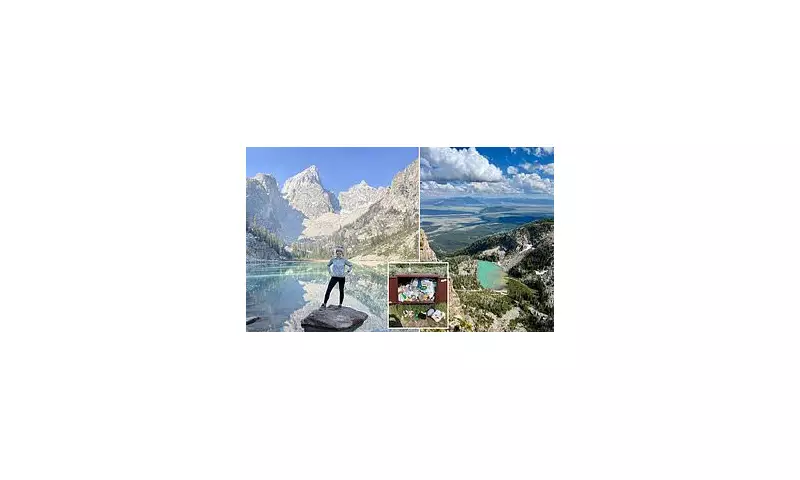
For decades, Delta Lake remained a cherished secret nestled within Wyoming's majestic Grand Teton National Park, a tranquil alpine retreat known only to seasoned climbers and local enthusiasts. Today, this hidden gem has been transformed into what locals bitterly describe as "Instagram Lake," overrun by content creators and tourists whose presence has sparked significant environmental degradation and community frustration.
The Transformation from Secluded Sanctuary to Social Media Hotspot
Reaching Delta Lake demands a formidable commitment: a roughly ten-mile round-trip hike featuring steep ascents and a treacherous off-trail scramble that tests even experienced adventurers. Despite these challenges, the promise of breathtaking turquoise waters and dramatic mountain backdrops has proven irresistible to influencers seeking the perfect social media post.
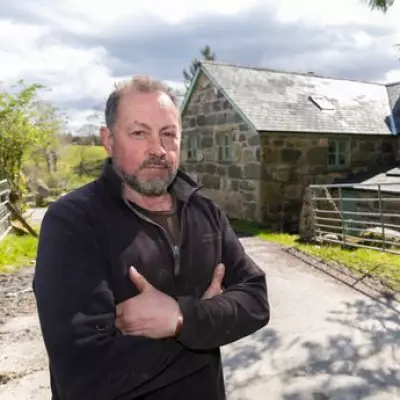
Christian Beckwith, a longtime climber and member of The Teton Climbers' Coalition, witnessed this transformation firsthand. "It kind of blew up over the last ten years or so," Beckwith revealed. "Delta Lake became a place where the locals don't go because of its status as 'Instagram Lake.'"

Environmental Impact and Visitor Statistics
Park visitation data underscores the growing pressure. In 2025 alone, Grand Teton National Park recorded 5,203,057 visits, marking a 3.6 percent increase from the previous year. Recreational visits surged by nearly 17 percent, overwhelming the park's delicate ecosystems.
The consequences are visible across the landscape. Beckwith described encountering used toilet paper along trail edges and sections "pulverized into dust" by excessive foot traffic. The phenomenon of "trail braiding"—where visitors create informal, overlapping paths deviating from main routes—has accelerated erosion and habitat destruction.
"We're used to such a high caliber park experience here," Beckwith lamented. "All the other trails are just exquisite and pristine."
Conservation Efforts and the 'Leave No Trace' Ethos
Park authorities have repeatedly emphasised "leave no trace" principles, but enforcement remains challenging. In 2020, rangers discovered a bear-proof storage container stuffed with trash, while volunteers collected approximately 980 pounds of litter across eight miles of trail just last May.
The park's 2022 Facebook post featuring a fox clutching a discarded Pringles can highlighted the dangers of human food attracting wildlife, potentially leading to euthanasia if animals become aggressive or disease-ridden.
Content Creators Defend Their Presence
Travel influencer Morgan Hill, who considers Delta Lake her favourite global hike, acknowledges the tension but believes the outdoors should remain accessible. "I understand if something is getting too packed, you do have to maintain that," Hill stated. "But we are so passionate and help everyone, leave no trace. You pack it in, pack it out."
Hill argues the hike's difficulty naturally limits crowds, noting the trail's warning signs about unmaintained paths and mortality risks. "If my husband wasn't with me the first time, I would have said over my dead body," she admitted.
Balancing Accessibility with Preservation
Filmmaker Devon Dodd, who visited Delta Lake last August, described the popularity surge as a "double-edged sword." While promoting outdoor appreciation benefits America, Dodd observed that "visitation can accelerate once people see videos on TikTok or Instagram," often attracting unprepared visitors who damage fragile environments.
Ryan Kelly, Vice President of Partner Projects at Access Fund, explained the restoration initiative partnering with Teton Climbers' Coalition. "By finding the most durable route and consolidating use through minor trail improvements and minimal signage, you get everyone going on the same route," Kelly said. "You can really improve the experience up there."
The Grand Teton National Park Foundation has committed to raising $61,200 for the project's first phase, with restoration work scheduled to begin in June. This collaborative effort aims to create a single, sustainable path to mitigate erosion and protect Delta Lake's natural splendour for future generations.