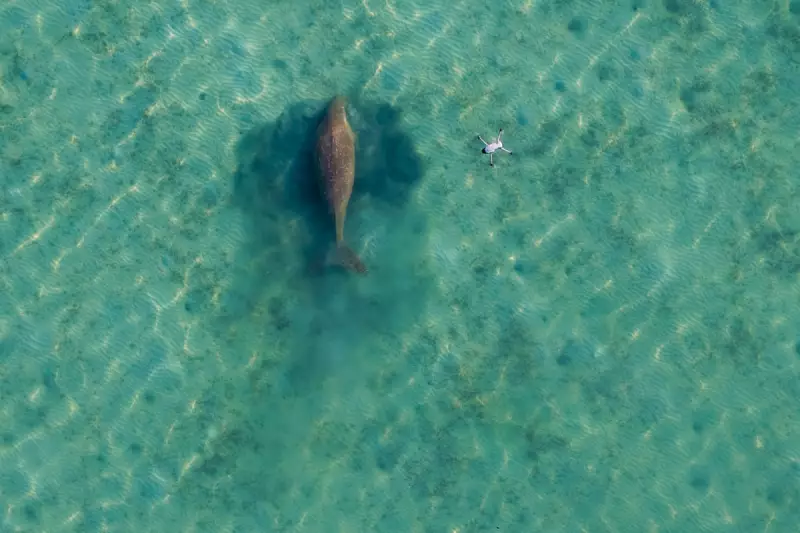
A desperate vigil is underway on the shores of Thailand's Tang Khen Bay, where a solitary figure scans not the horizon, but a drone's live feed. Theerasak 'Pop' Saksritawee is searching for a whirling grey shape in the murky water: a dugong named Miracle. Once one of 13 in this bay, Miracle is now the last of his kind here, a stark symbol of a catastrophic collapse unfolding along the Andaman Coast.
A Population in Peril: From Stronghold to Strandings
Dugongs, gentle marine mammals related to manatees, are facing a dire emergency in Thai waters. The region was recently confirmed as one of only six global locations outside Australia hosting a population exceeding 100 individuals, making it critical for the species' survival. In 2022, official estimates placed the number at 273. However, a grim tide has turned.
From 2023 to 2024, the annual number of dugong strandings along the coast more than doubled to 42, up from an average of 20 per year between 2019 and 2022. Ecologist Petch Manopawitr, an adviser to Thailand's marine department, delivers a devastating assessment: "We have probably easily lost half the population."

The crisis is most acute in Trang province, a former dugong stronghold famed for its lush seagrass meadows. Locals report the animals have vanished, with many believed to have migrated roughly 100 kilometres north to the waters off Phuket. This shift into a major tourism hub, with its intense boat traffic, presents new dangers for the displaced sea cows.
The Root of the Crisis: A Mysterious Seagrass Collapse
In January 2025, an international team of 13 scientists, including global dugong authority Professor Helene Marsh, embarked on a fact-finding mission. Their conclusion was clear: the dugongs are starving due to a massive, unexplained seagrass die-off.
"Dugongs are seagrass community specialists," Marsh explains, noting an adult can consume 40-60kg of the plant daily. The most severe losses were found in Trang's coastal waters, triggering a chain reaction of starvation, fewer births, and forced migration.
The precise cause remains a complex puzzle. The scientists' report ruled out a single extreme weather event, suggesting a chronic condition potentially driven by an accumulation of factors. These include silt and pollution reducing sunlight, warmer seas, nutrient runoff, dredging, and shifting tides that overexpose seagrass.
"If you have a system that is already a little bit sick, this kind of thing can knock things off quite easily," Manopawitr states, pointing to the overarching strain of human-caused climate change on a compromised ecosystem.
Local Guardians and a Fragile Future
On the front line of this ecological disaster are individuals like Pop and roti stall owner Manee Sanae. For over 15 months, Pop has monitored the bay daily, witnessing the decline firsthand. He links local construction runoff to degrading water quality, recalling periods when even the resilient Miracle disappeared.
Sanae, who remembers when multiple dugongs surfaced near her shop, now alerts a local online group if fishing boats encroach when Miracle is present. "Sometimes I tell them about Miracle," she says of her customers, becoming an inadvertent ambassador for the species.
While government efforts to plant new seagrass and provide supplemental food are underway, experts warn these are stopgap measures. "This critical ecosystem is much more fragile than we have believed before," Manopawitr admits, lamenting the rapid loss of Thailand's last major seagrass stronghold.
The path forward hinges on creating locally managed marine areas and adaptive protected zones to form safe migration corridors. A faint glimmer of hope exists: dugongs that relocated to Krabi province have begun to calve. Yet, with the root causes of the seagrass die-off still unknown, the future for Thailand's remaining dugongs hangs in a precarious balance, dependent on both scientific breakthroughs and the unwavering vigilance of local guardians.