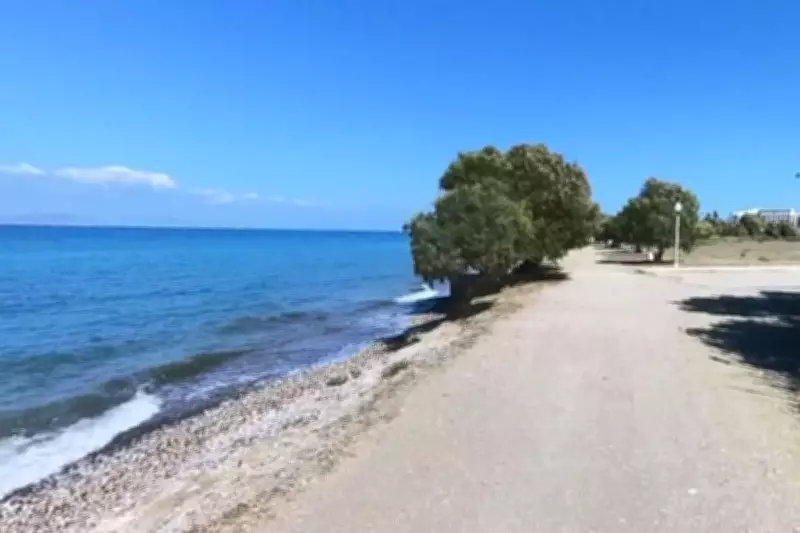
Greece has significantly expanded its network of protected coastal areas, increasing the number of 'untouched beaches' to 250. These designated zones now prohibit commercial activities to safeguard their natural landscapes and ecological value.
What Is Banned on Protected Beaches
On these beaches, businesses are forbidden from placing furniture such as sunloungers and umbrellas. Tourists cannot rent watersports equipment, including jet skis and kayaks. Additional restrictions include a ban on events with more than 10 people, large-scale sound amplification equipment, and driving vehicles on the sand.
Permitted Activities
Despite the strict rules, mobile or trailer-mounted refreshment stands are still allowed to operate, selling drinks and snacks to beachgoers. This ensures basic amenities remain available while preserving the natural environment.

Selection Criteria and Distribution
The 'untouched' status is applied to beaches chosen for their unique landscapes and scientific or ecological importance. The protected shores span across mainland Greece and its island groups, with the island of Leipsoi having the highest number of such protected shorelines.
This initiative aims to balance tourism with environmental conservation, ensuring that Greece's most pristine beaches remain unspoiled for future generations.