Canada's Beluga Whale Relocation: A Complex Operation to Save 30 Captive Mammals
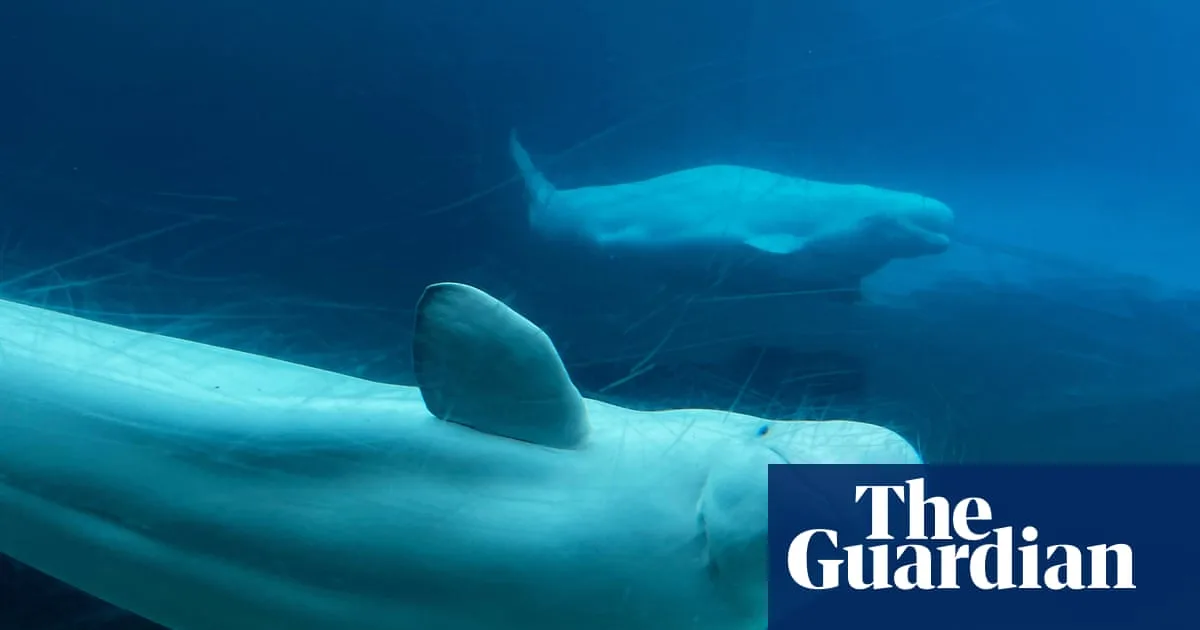
In a significant development for marine conservation, Canada has reached a tentative agreement to relocate 30 beluga whales from the now-closed Marineland amusement park in Niagara Falls, Ontario. The whales are set to be transported to four aquariums in the United States, marking a critical step in addressing long-standing concerns over animal welfare in captivity.
The Logistical Challenge of Moving Beluga Whales
The operation to move these marine mammals is a meticulous logistical feat, requiring careful planning to ensure their safety and well-being. According to Phil Demers, a former trainer turned whistleblower, transporting a single whale is complex, but moving 30 is an immense task that can be executed swiftly with proper coordination.
Key steps in the relocation process include:
- Health checks by veterinarians to ensure each whale is fit for travel, with two belugas currently receiving medical treatment for existing issues.
- Administration of Valium to calm the whales before the journey, as they prepare for their first or subsequent flights.
- Use of fabric slings with holes for pectoral fins to guide the whales into steel transport boxes filled with salt water, ensuring buoyancy without risking injury.
Demers emphasized that all the animals at Marineland are compromised to some extent due to captivity, with the Ontario government previously deeming them "in distress" during a 2021 inspection. The transport boxes, measuring roughly 15 feet long, are designed to mimic natural ocean conditions, with water levels carefully calibrated to prevent harm to internal organs.
Transportation Methods and Historical Context
The preferred method for moving the whales involves using transport planes, such as the Lockheed C-130 Hercules, due to their ability to easily load the belly of the aircraft. However, with limited availability, teams may need to explore alternative options. Up to nine whales could be transported in a single trip, depending on their weight.
This relocation follows a controversial history at Marineland, including a rejected plan to sell the belugas to a Chinese aquarium over concerns about continued captivity and public entertainment, which is banned under Canadian law. In response, Marineland had threatened to kill all 30 whales, highlighting the urgent need for a resolution.
The last time Marineland moved belugas was in 2021, when five were sent to Mystic Aquarium, resulting in three deaths due to pre-existing health issues. This underscores the risks involved but also the necessity of moving the whales to facilities with better care standards.
Reactions from Stakeholders and Future Implications
Animal rights groups have expressed mixed emotions about the relocation. Camille Labchuk of Animal Justice described it as "absolutely heartbreaking" that the whales will not have the chance to live in a proposed sanctuary, but acknowledged the minister had little choice given Marineland's threats. She stressed the importance of ensuring the whales are not bred in the US, as breeding in captivity is illegal in Canada.
Former beluga trainer Kristy Burgess welcomed the news, expressing excitement about the whales moving to US facilities with world-class veterinarians and qualified staff. She highlighted the trust she developed with the belugas during her time at Marineland, calling it "magical."
Marineland, despite its previous threats, has stated gratitude for the tentative approval of export permits, prioritizing the lives of these marine mammals. The deal represents a crucial step toward ending the suffering of captive whales in Canada, with hopes that this generation will be the last to endure such conditions.