California, famed for its sun-drenched coastline and iconic beaches, faces a less glamorous reality beneath the waves. A comprehensive new analysis conducted through 2025 by the nonprofit organisation Heal the Bay has ranked the Golden State's beaches from cleanest to dirtiest, revealing significant disparities in water quality along its 900-mile coast.
Grading System Based on Sewage Bacteria
Researchers meticulously tested water samples from 523 popular sunspots to create detailed 'Beach Report Cards' for each location. The study assigns A-F grades based primarily on sewage contamination levels, measured through the concentration of three key bacteria: total coliform, fecal coliform (E. coli), and Enterococcus.
High concentrations of these bacteria indicate the presence of pathogens that could pose serious health risks to beachgoers, according to researchers. Exposure or consumption can lead to severe gastrointestinal issues, including stomach cramps, diarrhoea, nausea, vomiting, fever, and headaches.

Santa Monica Pier Tops 'Beach Bummer' List
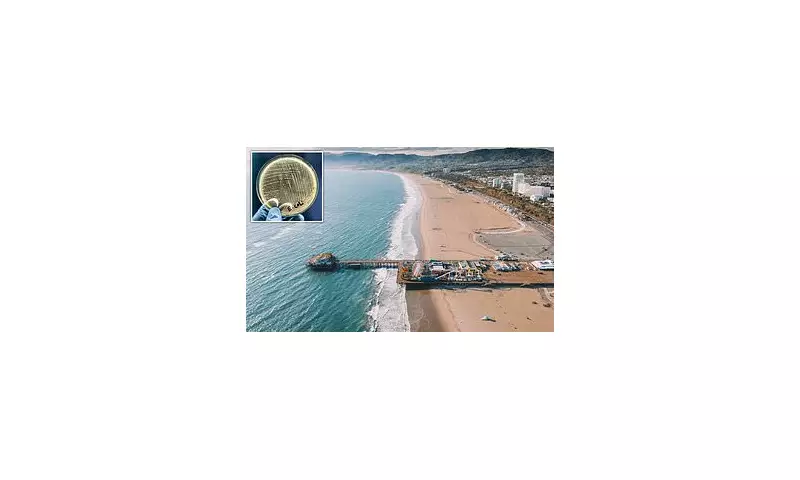
The iconic Santa Monica Pier in Los Angeles has been exposed as the dirtiest beach in California, receiving a failing F grade for tidal hygiene and claiming the top spot on the 'Beach Bummer' list. This tourist hotspot frequently ranks among the most polluted beaches, with food stalls attracting swarms of seagulls that contaminate nearby waters.
Despite upgrades like stormwater capture systems and bird deterrent netting, pollution remains a persistent problem, the report states. Urban runoff and high levels of activity at the pier exacerbate the situation, while disposal of fish guts from recreational fishing attracts additional seagulls, further degrading water quality.
International and Border Pollution Issues
Santa Monica Pier was only surpassed by Playa Blanca in Baja California, Mexico, which claimed the overall dirtiest position due to severe pollution. Playa Blanca has topped the list for three years over the past decade, primarily affected by sewage-contaminated runoff from the Tijuana region where wastewater infrastructure remains inadequate.
Researchers identified the nearby Punta Bandera treatment plant as a major pollutant source, releasing millions of gallons of partially-treated sewage into the ocean daily. For similar reasons, Tijuana Slough at Tijuana River Mouth in San Diego County ranks third on the dirtiest list, plagued by pollution from cross-border sewage issues.
Other Notable Polluted Locations
Chicken Ranch Beach at Channel made its debut appearance on the dirtiest beach list this year, suffering from consistently high bacteria levels during all seasons. Runoff from nearby drainage systems has been contaminating waters along Tomales Bay, researchers warned.
The remaining top ten dirtiest beaches were concentrated in San Mateo County and San Diego County, where urban sewage frequently flows into coastal waterways. These include Linda Mar Beach at San Pedro Creek, Erckenbrack Park in Foster City, Pillar Point at Harbor Beach, Border Field State Park, and Imperial Beach.
Honor Roll Highlights Cleanest Beaches
On a more positive note, 62 of the 523 beaches achieved 'Honor Roll' status with A+ grades, while seven counties earned top water quality marks. Orange County led the cleanest rankings with 34 beaches making the cut, followed by San Diego County with 12 beaches on the cleanest list—despite also featuring several times on the 'Beach Bummers' list for its dirtier sites.
Los Angeles County, Ventura County, Guadalupe Dunes, San Mateo County, and San Francisco County also received top water quality recognition. Notable Honor Roll beaches include Orange County's Laguna Beach, Half Moon Bay in San Diego, and Silverstrand in Ventura.
The increase in beaches on the Honor Roll this year is likely attributable to less overall rainfall during the 2024-2025 winter season, leading to substantially improved coastal water quality, the report concludes, highlighting how weather patterns significantly impact pollution levels along California's cherished coastline.