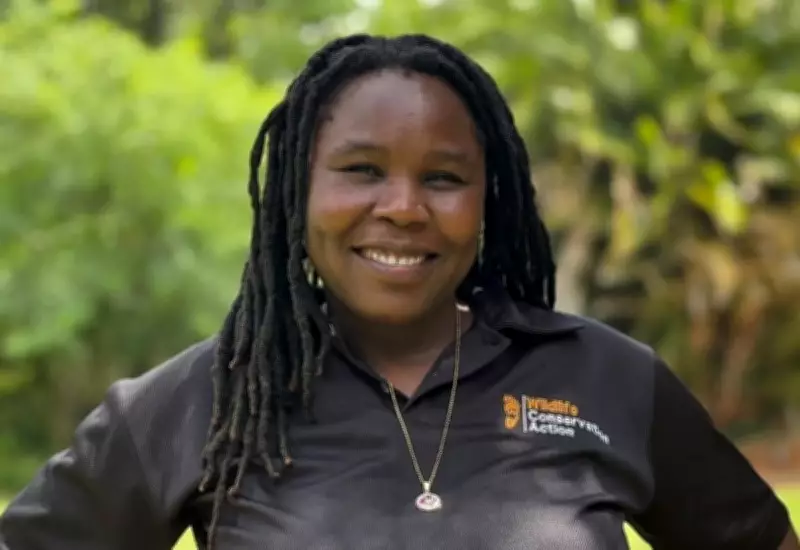
Moreangels Mbizah, a conservation biologist from Zimbabwe, has dedicated her career to protecting lions while addressing the needs of local communities. Her journey took a pivotal turn in 2014 when a lion she was tracking for her PhD research killed a seven-year-old boy in Hwange National Park. This tragic event made her realise that focusing solely on animal conservation was insufficient. She founded Wildlife Conservation Action (WCA) to promote coexistence between people and wildlife.
Innovative Solutions for Human-Wildlife Conflict
In Zimbabwe's Mbire district, human-wildlife conflict poses a major threat to biodiversity. Lions, whose population has dwindled to fewer than 20,000 in the wild, often stray into villages in search of food, leading to attacks on livestock and occasionally humans. WCA has developed community-led strategies to mitigate these conflicts. One key innovation is the mobile boma, a livestock enclosure wrapped in opaque plastic. Lions can smell and hear the cattle but cannot see them, preventing attacks. These bomas have proven 100% effective in protecting livestock.
Another strategy involves community guardians—local individuals trained to monitor GPS signals indicating predator proximity. They alert communities to safeguard their herds, reducing retaliatory killings. As a result, incidents of human-wildlife conflict have dropped by up to 98% in Mbire. WCA's work now covers 2.6 million hectares of the Zambezi valley, protecting nearly 18,000 livestock worth an estimated $2.3 million.

A Trailblazer in Conservation
Mbizah, 42, grew up in Chiredzi, a small town far from wildlife areas. Her first encounter with wild animals came at age 25, sparking a deep connection to nature. She became the first black African woman to found a conservation organisation in Zimbabwe, a path that was often lonely. WCA also runs outreach programmes offering work experience and mentoring to young female African conservationists, aiming to pave the way for future generations.
Remembering Cecil the Lion
During her PhD, Mbizah worked closely with Cecil the lion, whose death by an American trophy hunter in 2014 sparked global outrage. She recalls the heartbreaking phone call about his death. This experience, combined with the tragedy of the boy killed by a lion, drives her commitment to finding ways for people and lions to coexist. "We are not going to be able to protect lions without protecting the people," she emphasises.
Mbizah's work has earned her a Whitley Award, recognising her innovative approach to conservation. By involving communities and using technology, she is forging a sustainable future for both wildlife and people in Zimbabwe.