
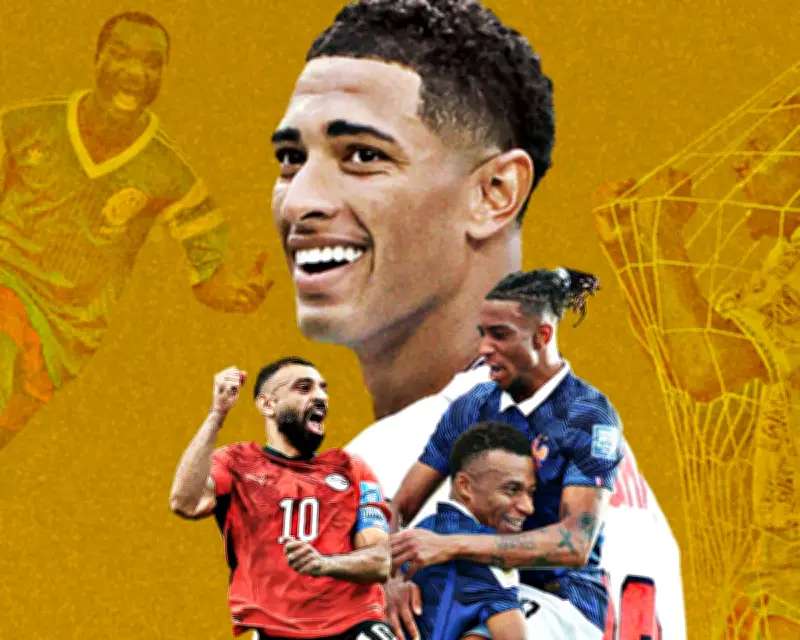
The World Cup used to let fans micro-dose politics, but now the tournament is engulfed by it, according to a column in The Long Wave newsletter. The piece explores how political contexts—from US President Donald Trump's interference to anti-immigration rhetoric in the US and Europe—have weighed heavily on the 2026 tournament, reshaping the way Black diaspora viewers engage with the competition.
Identity Maths and Diaspora Loyalties
The author describes the process of deciding allegiance as a sort of 'identity maths'. Black diaspora viewers typically support African teams until they are knocked out, then move to Black diaspora teams from elsewhere, then adopted homelands, and finally teams chosen for their vibe or politics. This year, however, the maths has become less frivolous. Figures like Kylian Mbappé and Ousmane Dembélé have become avatars of political frustrations and aspirations, rather than just players to support.
Political Contexts Bearing Down
The column highlights anger at the US under Trump, who secured a reversal of a red card for a US player, and at FIFA, seen as irredeemably corrupt. Anti-immigration discourse across the US and Europe forms the backdrop. The England team, majority Black, represents a country in a dark era of far-right politics, with Reform MP Robert Jenrick posting 'Come on England' while calling for immigration to be 'less than zero'. Black footballers carry the burden of achievement while facing abuse and political erasure.
Navigating Loss of Trust
The tournament comes at a unique global moment—post-pandemic, post-Gaza, post-Black Lives Matter backlash, post-death of the rules-based order, and post-enshittification of X under Elon Musk. These forces curdled when Egypt's goal against Argentina was disallowed, sparking allegations of a fix. The author notes that trust has haemorrhaged from sporting and political institutions, especially after Trump admitted to influencing a red card decision and was awarded a FIFA Peace prize.
The Beauty and Burden of the World Cup
The author reflects on the emotional rollercoaster of watching the World Cup: wanting to feel sick because a chosen team is losing, gulping down tears, and not wanting every game to become a metaphor for colonialism or geopolitics. Yet the tournament remains porous to collective feelings, serving as a compass for where we are every four years. 'I shall measure my life in this one, too,' the author concludes.




