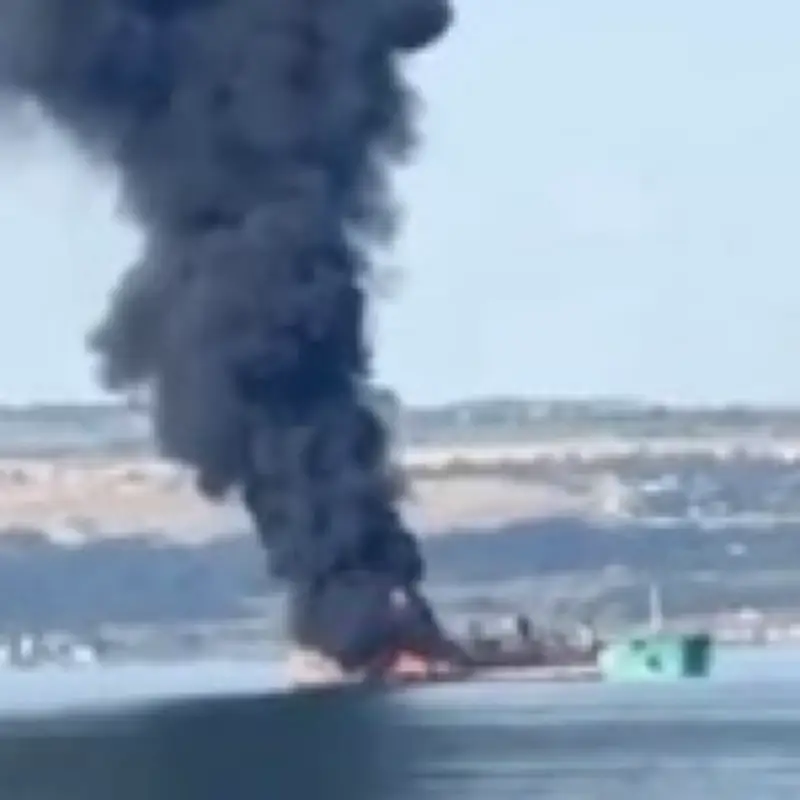
Ukraine has destroyed 49 vessels from Russia's shadow fleet in a series of crippling strikes, with 14 new attacks reported on July 10, 2026. Almost all of the lost vessels are oil tankers supplying fuel to Crimea and other Ukrainian territories annexed by the Kremlin. The crisis is now described as 'catastrophic,' with the Kremlin scrambling to conceal the consequences, according to a report by independent Russian news outlet Meduza.
Strikes on Taganrog Port and Oil Depot
In addition to the fleet losses, Ukraine staged overnight strikes on Taganrog port, triggering a massive fire at the Kurgannefteprodukt oil depot and forcing an emergency evacuation of residents. The attacks have exacerbated fuel shortages across Russia, with queues for petrol growing and prices escalating, even in faraway Siberia. Despite the mounting pressure, President Vladimir Putin refuses to halt the war or abandon his goal of capturing the entire Donbas region of eastern Ukraine.
Fuel Market Collapse
Meduza analyzed oil trading data and concluded that the situation after the Ukrainian drone attacks appears to be simply catastrophic. The authorities are trying to keep information about the extent of the damage to Russian oil refineries secret. Under these circumstances, the fuel shortage can be indirectly assessed by analyzing exchange trading data. The picture resembles a collapse. Even before the latest strikes, the volume of trading fell to 53% of the January level, while the price rose to 146%.

Drone Attacks on Military Trucks
Footage has also highlighted Ukrainian kamikaze drones targeting military trucks filled with Russian occupiers in rear areas of the Luhansk region. Russia, the world's second-largest oil producer, is now seeking to import supplies due to the damage caused by Ukrainian drones.
Impact on Agriculture
Russia also faces damage to its harvest, with grain lost due to chronic diesel shortages. The 2026 harvest season is turning into a nightmare for Russian farmers, who are facing a shortage of diesel fuel, restrictions on its sale, and rising prices, according to the Moscow Times. The shortage of diesel fuel for combine harvesters and other equipment is particularly acute in key southern regions.