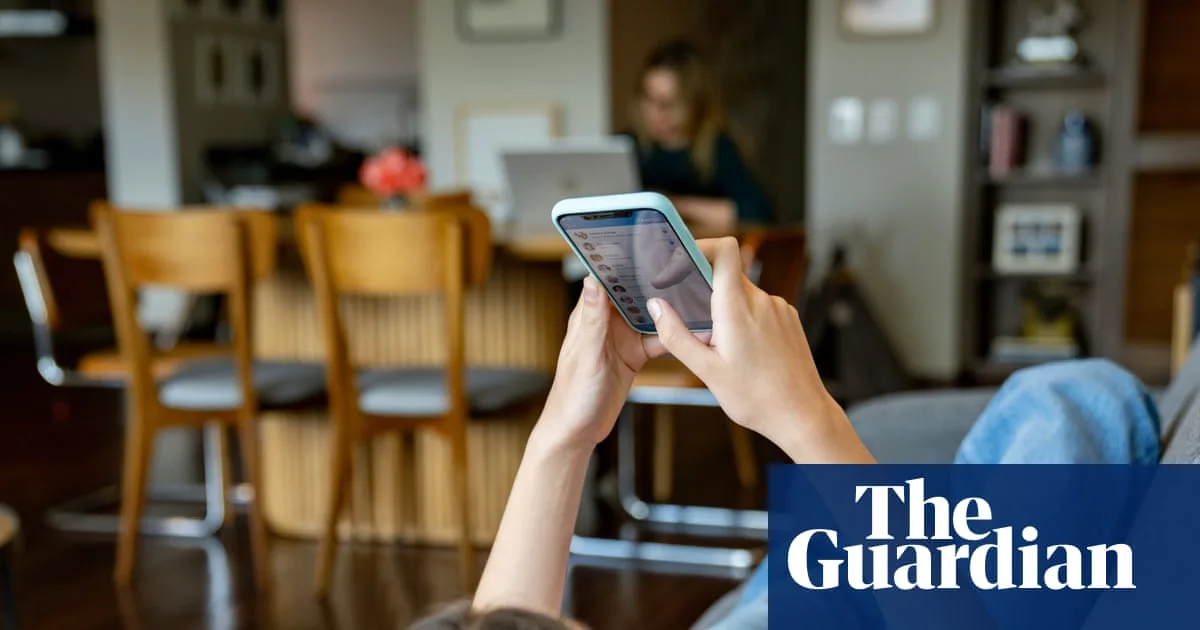
Hundreds of UK teenagers will take part in a government pilot testing social media bans, digital curfews, and time limits on apps, as ministers consider whether to introduce Australia-style restrictions for under-16s. The six-week trial, involving 300 teens across England, Scotland, Wales, and Northern Ireland, will see some participants have their social apps disabled to simulate a ban at home, while others face overnight blocks or a one-hour daily cap on platforms like Instagram, TikTok, and Snapchat. A control group will experience no restrictions for comparison.
Technology Secretary Liz Kendall said the pilot aims to 'test different options in the real world' and provide evidence for future policy, informed by families' experiences. The initiative runs alongside a government consultation on digital wellbeing, which has already received nearly 30,000 responses from parents and children and closes on 26 May.
Separately, a major scientific trial funded by the Wellcome Trust will study the impact of reducing social media use among 4,000 adolescents aged 12–15 from 10 secondary schools in Bradford. Co-led by the Bradford Institute for Health Research and Cambridge psychologist Professor Amy Orben, the study will examine changes in anxiety, sleep quality, wellbeing, body image, social comparison, school absences, and bullying.

The pilots come as MPs launch an investigation into the effects of digital devices and social media on children's brain development. The Commons science, innovation and technology committee will assess whether existing neuroscientific research is sufficient to inform policy. Chair Chi Onwurah noted that 'we still know far too little about how these habits affect children’s health, wellbeing and cognitive abilities.'
Ministers face mounting pressure to follow Australia's ban on social media for under-16s, with France, Spain, and Indonesia also considering similar measures. However, earlier this month MPs rejected a proposed ban, and peers will vote on an amendment to the children's wellbeing and schools bill on Wednesday. Conservative peer Lord Nash, who tabled the amendment, dismissed the pilots as 'half measures' that put pressure on parents rather than holding big tech accountable.
Bereaved parents have written to parliamentarians urging support for a ban, expressing 'deep concern' that the consultation leaves little space for frontline professionals like GPs and police. They called for immediate action, stating: 'Right now, across the UK, parents are not waiting for consultations or future reviews. They are watching their children scroll, message and engage on platforms they know are not safe.' The NSPCC's chief executive, Chris Sherwood, also urged the government to take decisive action.