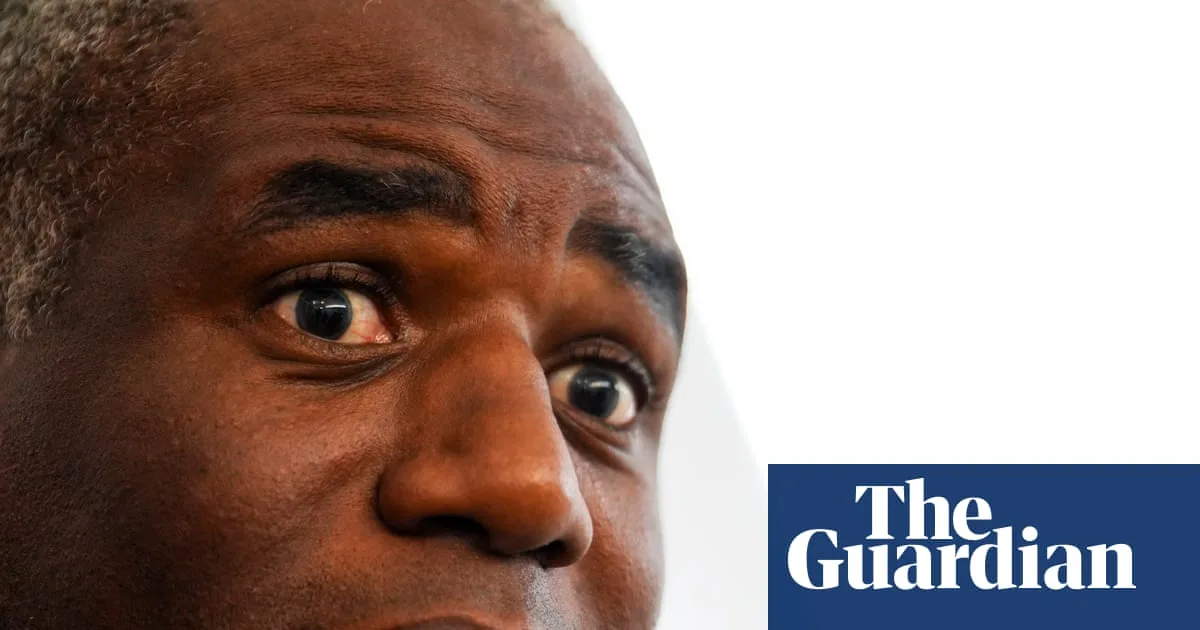
Justice Secretary David Lammy has declared a 'courts emergency', warning that without radical reforms, the backlog of outstanding cases in England and Wales will surpass 100,000 by 2028. He is set to announce plans to address the crisis, including proposals to reduce jury trials for certain offences, despite facing backlash from legal professionals and MPs.
Lammy's initial proposal to limit jury trials to serious crimes such as murder, rape, and manslaughter has reportedly been scaled back after strong opposition. Instead, he is expected to implement recommendations from Sir Brian Leveson, which include diverting more cases to magistrates' courts or a new intermediate court where a judge would sit with two lay magistrates.
The justice secretary has also pledged £550 million over three years to support victims and witnesses. This funding will go towards counselling and advice services to help survivors navigate the justice process. Lammy stated: 'For many victims, justice delayed is often justice denied. The system we inherited has led to a crown court backlog due to hit 100,000 outstanding cases by 2028. This simply cannot go on – we must be bold.'
However, the plans have drawn criticism. The Criminal Bar Association and the Bar Council argued there is no need to curtail the right to trial by jury. Keir Monteith KC warned that replacing juries with judges could create further unfairness and miscarriages of justice, particularly for black and minority ethnic defendants. The Law Society of England and Wales said it had seen no 'real evidence' that the proposals would reduce the backlog.
According to the Ministry of Justice, nearly half of the backlog cases involve violent and sexual offences, while only about 3% of criminal cases currently go before a jury. Lammy is expected to outline measures to give judges greater control over case handling and create faster routes for lower-level cases, similar to the judge-only trials used in Canada.