
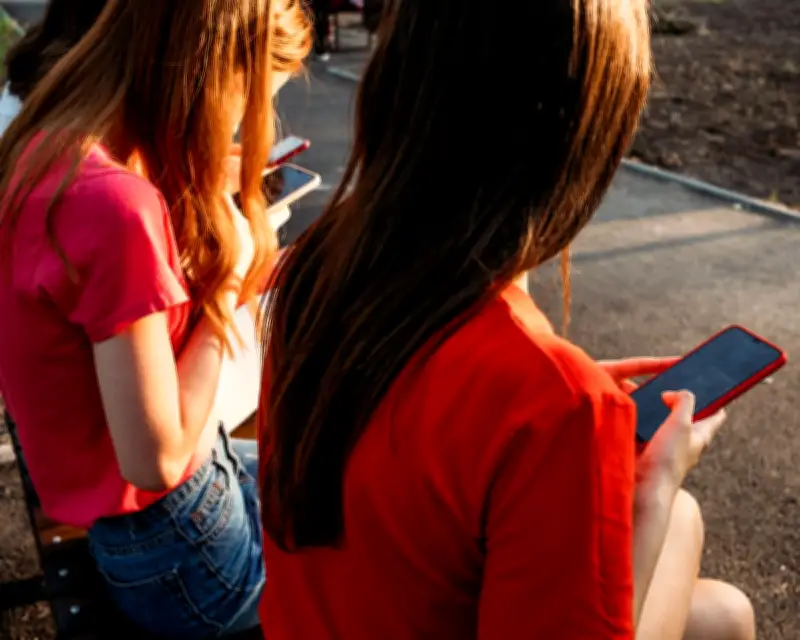
Sixteen and 17-year-olds in the UK are to be encouraged to observe a midnight social media curfew, as part of Labour's ongoing effort to protect young people from online harms, including sleep disruption caused by nighttime scrolling. From next spring, a default block on certain apps will be activated between midnight and 6am, but the curfew is not mandatory and can be overridden by users.
Extension of Under-16 Ban
This initiative extends the under-16 social media ban announced last month, which restricts access to platforms such as Snapchat, TikTok, YouTube, Instagram, Facebook, and X. The government has stopped short of restricting virtual private networks (VPNs), which can bypass age gates, as its research found only 7-10% of children use VPNs specifically to evade age checks. Officials also expressed concern that VPN restrictions could infringe on free speech.
Criticism from Campaigners
The Molly Rose Foundation, an internet safety campaign group, described the measures as "yet another piecemeal set of announcements, not the comprehensive plan for children's safety that's required." Beeban Kidron, founder of the 5Rights Foundation, criticized the opt-out nature of the curfew, stating it was "for show and headlines, not for children" and "cooked up in DSIT for another news round."
Details of the Curfew
Technology Secretary Liz Kendall announced that features designed to prolong user engagement—such as autoplay videos and personalized content feeds—will also be switched off by default for older teenagers, though they can be easily overridden. The government aims to avoid a "cliff edge" where teenagers suddenly face addictive features upon turning 16. Kendall stated, "These measures will be crucial in helping young people get the sleep they need, focus on school and college, and spend more quality time with family and friends."
Research Findings
In May, the Department for Science, Innovation and Technology (DSIT) commissioned Savanta to test three social media restrictions: 15-minute daily rationing, a 9pm to 7am curfew, and complete app deletion. The curfew was found most enforceable, with restrictions on Snapchat, TikTok, Instagram, Facebook, X, and Reddit providing the strongest sleep benefits. YouTube, Teams, Google Classroom, and messaging apps like WhatsApp and iMessage were exempt. Participants reported earlier bedtimes, better rest, improved concentration, and reduced stress, though some experienced isolation and mood swings during adjustment.
AI Chatbot Protections
Campaigners are urging stronger protections against AI chatbots for young people. Kendall announced plans for "regular breaks for under-18s using chatbots, encouraging healthier online habits."




