
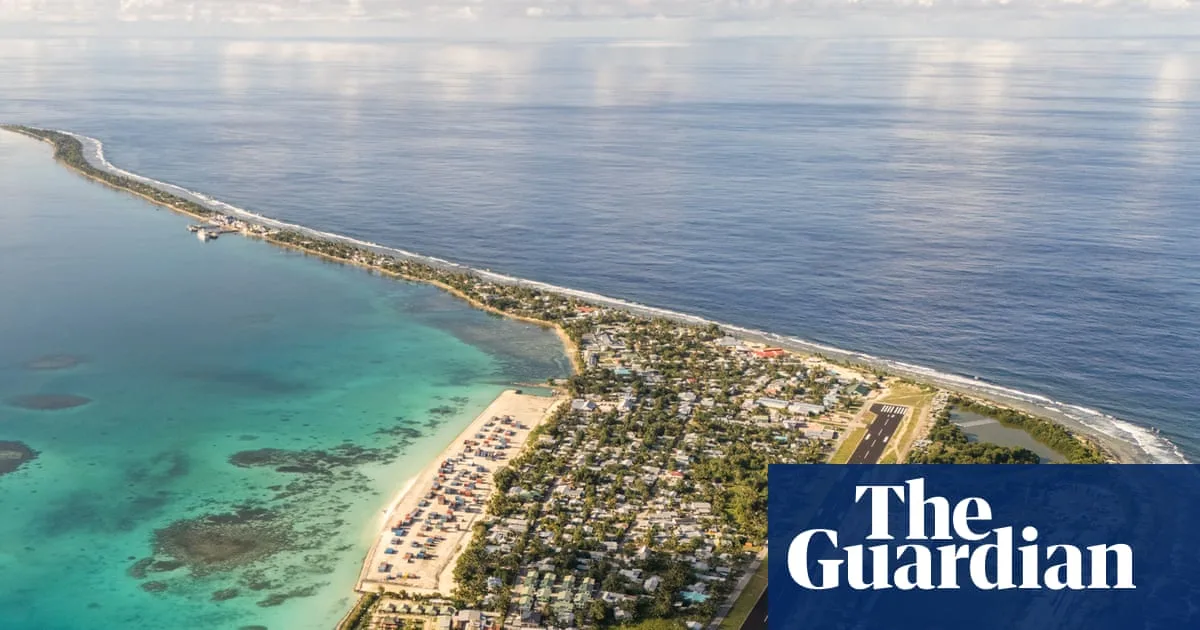
Almost a third of Tuvalu's citizens have entered a ballot for a landmark climate migration visa that allows them to live in Australia, as rising seas threaten the Pacific island nation. Official figures show that more than 3,000 Tuvaluans, out of a population of around 10,600, applied within four days of the ballot opening.
Under the groundbreaking Falepili Union signed in 2024, Australia offers 280 visas annually to adult Tuvalu citizens. The deal has been hailed as the first of its kind worldwide, providing a pathway for 'mobility with dignity' as climate impacts worsen. Scientists fear Tuvalu could become uninhabitable within 80 years due to sea-level rise, with two of its nine atolls already largely submerged.
The registration fee is A$25 (£16), and the ballot closes on 18 July. The program is expected to be heavily oversubscribed, reflecting the urgent threat climate change poses to the archipelago. Australia's foreign affairs department stated the visa offers Tuvaluans the choice to live, study and work in Australia, recognising the devastating impact of climate change on vulnerable Pacific nations.
However, the scheme has raised concerns about a potential brain drain. University of Sydney geographer John Connell warned that a long-term exodus of workers could imperil Tuvalu's future, noting that atolls offer limited economic opportunities beyond fisheries. He said small states do not have many jobs and some activities do not need large populations.
The Falepili pact also commits Australia to defending Tuvalu against natural disasters, health pandemics and military aggression. Tuvalu's Prime Minister Feleti Teo highlighted that for the first time, a country has legally recognised Tuvalu's future statehood and sovereignty despite climate-induced sea-level rise. In return, Australia gains a say in any other defence pacts Tuvalu signs, raising concerns about sovereignty.




