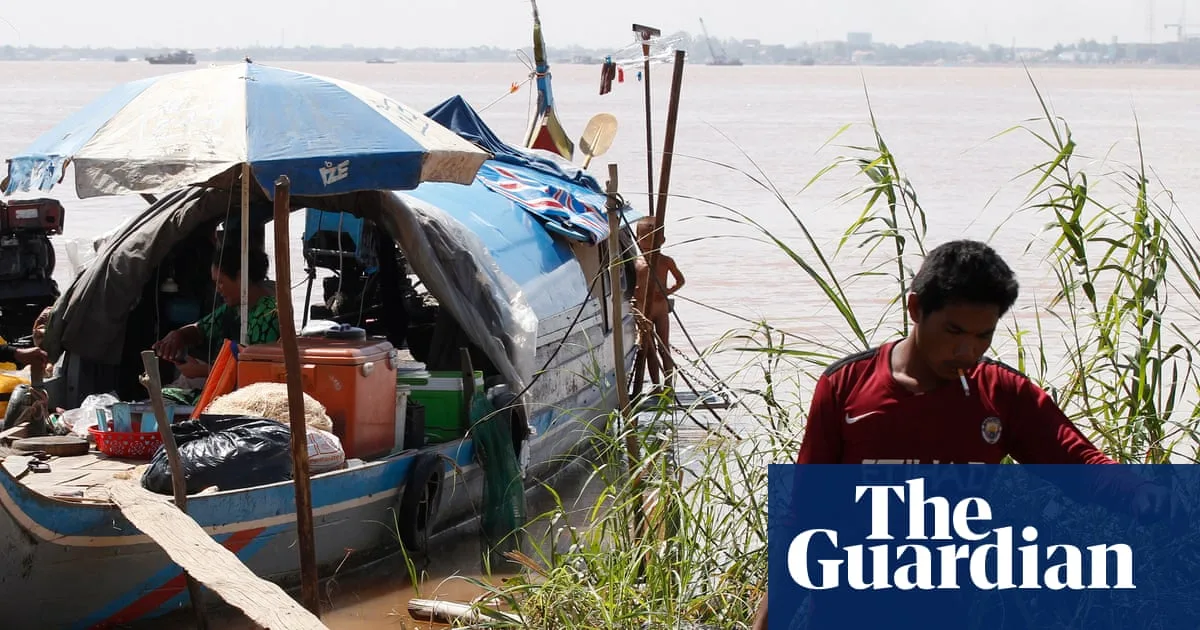
As Cambodia prepares for potential storm impacts along the Mekong River, a far more severe weather event is unfolding in the western Pacific. Super Typhoon Sinlaku is rapidly intensifying and poses a significant threat to the Mariana Islands archipelago, home to US territories including Guam and the Northern Mariana Islands. This powerful storm, with sustained winds already hitting 150 miles per hour, is forecast to strengthen further, bringing destructive conditions early this week.
Rapid Intensification and Forecast Path
The system originated as a cluster of thunderstorms over Micronesian seas before developing into a tropical storm and then a typhoon over the weekend. Sinlaku has since begun pushing northwest while undergoing rapid intensification, with wind speeds expected to reach 165 miles per hour. A slight northward shift in its track means a direct hit on Guam is now considered unlikely, but the islands of Saipan and Tinian are anticipated to bear the brunt of the most severe weather conditions.
Warnings and Expected Impacts
The National Weather Service in Guam has issued multiple warnings for the Mariana Islands. Sinlaku's powerful winds, combined with forecast rainfall totals exceeding 300 millimetres between Monday and Thursday, are expected to whip up hazardous seas and dangerous storm surges prior to the storm's arrival. These initial impacts are likely to be followed by flash flooding, mudslides, and significant wind damage across the affected regions.
While typhoons can occur at any time of year in this part of the Pacific, the peak season typically runs from June to November, making a typhoon of this intensity in April particularly unusual. With winds exceeding 130 knots, the Joint Typhoon Warning Center classifies Sinlaku as a super typhoon. If located over the North Atlantic, it would be classified as a category 4 hurricane, with potential to rise to category 5 at its peak intensity.
Regional Weather Patterns and Terminology
The terms typhoon, hurricane, and cyclone all describe the same meteorological phenomenon, with terminology varying by region. Meanwhile, in the South Pacific, another weather system has developed following Cyclone Maila's strike on Papua New Guinea last week. Tropical Cyclone Vaianu formed on 5 April and moved southeastwards, passing close to Fiji without making landfall before being reclassified as an extratropical cyclone.
Recent Cyclone Activity in the Pacific
As Vaianu passed over New Zealand, red warnings for strong winds were issued over the weekend. In some regions, gusts peaked at 80 miles per hour, leading to widespread power outages and evacuations. The storm also generated massive ocean swell that battered New Zealand's north coast, where one buoy recorded an 11-metre wave. This activity underscores the broader pattern of extreme weather events affecting Pacific islands, with Sinlaku representing the latest and potentially most dangerous development in this active weather period.






