The Global Energy Divide: Petrostates Versus Electrostates in a Time of Crisis
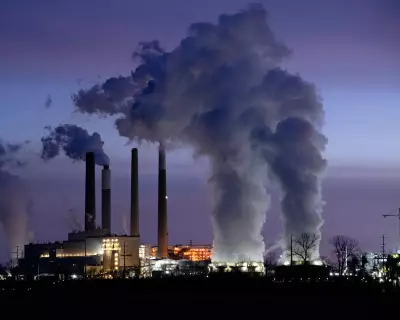
The ongoing US-Israel conflict with Iran has starkly revealed the world's deep-seated reliance on fossil fuels, marking the third major global shock in just six years, following Russia's invasion of Ukraine and the Covid-19 pandemic. This turmoil has sent oil prices soaring to approximately $110 per barrel, with forecasts predicting potential spikes to $150, exacerbating food price inflation and threatening to push an additional 45 million people into acute hunger, according to the World Food Programme USA. Industries from steel to chemicals are grappling with shortages and soaring costs, while households worldwide are urged to conserve energy by adjusting thermostats and opting for public transport.
Simon Stiell, the UN climate chief, warned in March that fossil fuel dependency is undermining national security and sovereignty, replacing it with subservience and rising expenses. This crisis has thrown into sharp relief the divergent paths of the world's top ten greenhouse gas emitters, broadly categorised into two camps: petrostates clinging to hydrocarbon extraction and electrostates pioneering a low-carbon future.
The Rise of Electrostates: China and India Lead the Charge
China, the world's largest emitter and second biggest economy, is at the forefront of the electrification movement. Its emissions have plateaued or declined for nearly two years, driven by record-breaking investments in renewables. In 2024, China added 360 gigawatts of new solar and wind capacity, increasing to 430 gigawatts in 2025. Clean energy now accounts for over a tenth of China's export business and a similar share of its overall economy, with investments surpassing $1 trillion, nearly quadruple the amount spent on fossil fuels.

Li Shuo, director of the China climate hub at the Asia Society Policy Institute, expresses optimism that this trend is structural, noting a lack of interest groups advocating for a return to coal. The key, he suggests, lies in whether China can leverage battery technology to meaningfully replace coal in its power system.
India, the world's most populous nation and fourth largest economy, is also making strides. In a surprising move, it recently unveiled a new national plan targeting 60% of electricity from low-carbon sources by 2035 and a 47% reduction in emissions per unit of GDP. While these goals are seen as achievable, with the Climate Action Tracker predicting the 60% target could be met by 2030, India's transition remains hybrid, balancing renewables with continued coal reliance for energy security.
Petrostates Reap Windfalls Amid Conflict
Conversely, the conflict has bolstered petrostates, with high fossil fuel prices generating significant windfalls. The US oil and gas sector is poised for a $60 billion boost, while Russia, despite economic strains from the Ukraine war, benefits from an extra $150 million daily due to the Iran conflict. Saudi Arabia, despite attacks on its infrastructure, has seen its national oil company's share price surge, and Iran's oil revenues have increased even as its people suffer from toxic fallout.
These profits enable further expansion of hydrocarbon extraction, entrenching dependency. Russia, under Vladimir Putin, continues to use oil and gas as geopolitical weapons, with minimal interest in climate action and significant methane leaks from its ageing infrastructure.
Blurred Boundaries and Global Challenges
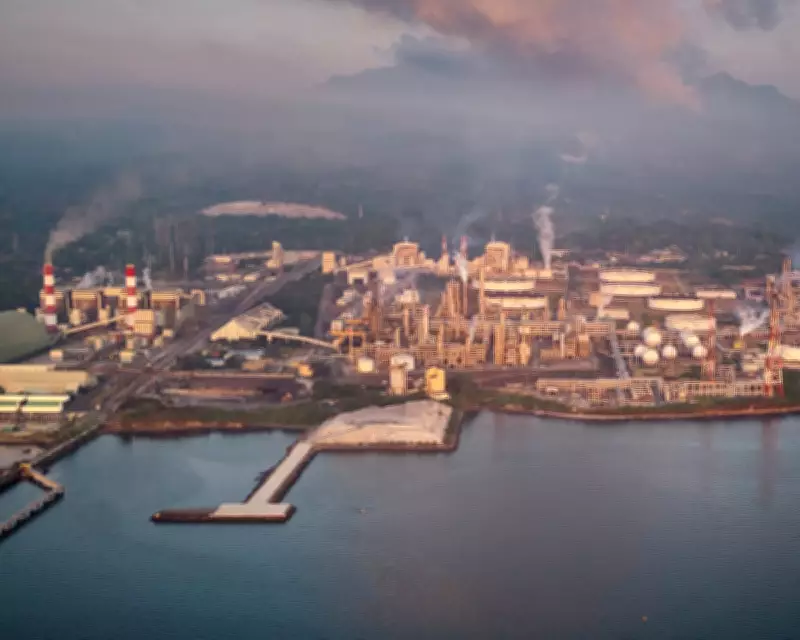
The divide between electrostates and petrostates is not absolute. Germany, for instance, has backtracked on low-carbon heating reforms, while Japan's climate commitments are deemed inadequate. Indonesia's ambitious "just transition" plan, aimed at shifting from coal with international support, has faltered due to vested interests and bureaucratic hurdles, though efforts may resume.
In the US, the political landscape under Donald Trump presents a paradox. Despite emissions previously falling and green economy growth spurred by the Inflation Reduction Act, Trump's administration is actively dismantling climate protections, investing in oil and gas over renewables. Paul Bledsoe, a former Clinton White House climate adviser, condemns this as a "political and economic culture war" that risks global security.

The Path Forward: Methane Reduction and Government Intervention
As time runs out to avert climate catastrophe, experts emphasise the need for targeted strategies. Durwood Zaelke of the Institute for Governance and Sustainable Development advocates for methane reduction, which could cut temperatures by 0.3°C by the 2040s. Satellites can pinpoint leaks from oil, gas, and coal infrastructure, offering a viable near-term solution.
Jayati Ghosh, an Indian development economist, stresses that government intervention is essential for any green transition, citing China's example and the need for subsidies, infrastructure, and renewable electricity production. The free market alone cannot drive the necessary change.
The war in Iran may soon end, but its legacy will shape global energy policies. The top ten emitters, responsible for two-thirds of annual carbon output, hold the world's future in their hands. Their choices will determine whether we advance toward a sustainable low-carbon path or retreat further into climate-blighting dependency. With the economic impact of reaching 2°C above pre-industrial levels equivalent to a new oil war annually, the stakes have never been higher.