
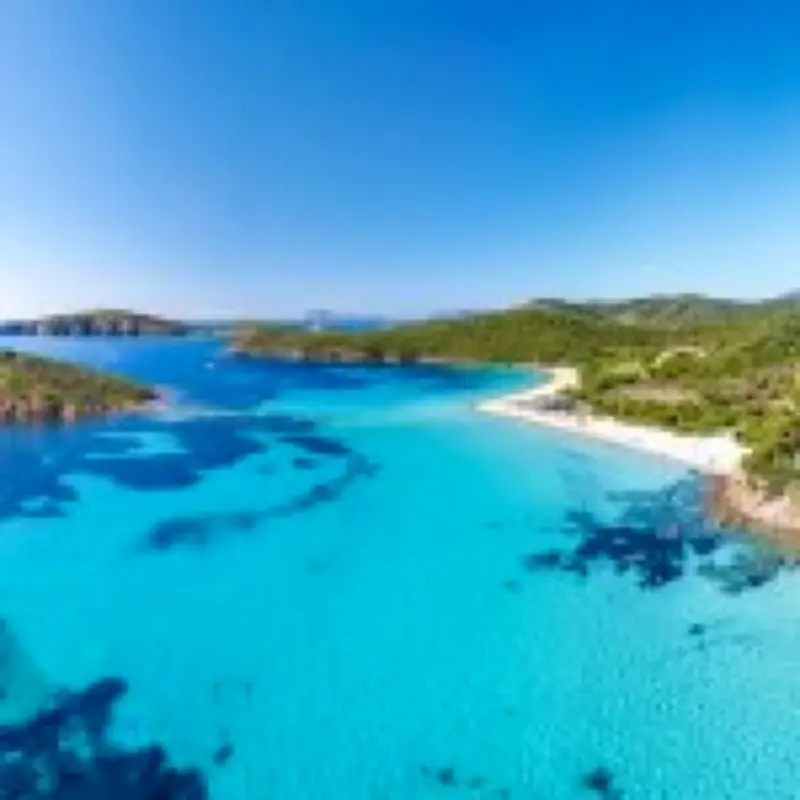
Planning a last-minute trip to Italy's coastline this summer may require advance booking, as the country introduces reservation systems for some of its most popular beaches to combat overtourism. From Sardinia to Lampedusa, beaches are capping visitor numbers to reduce overcrowding and environmental pressure.
How the Booking Systems Work
Visitors typically need to reserve a spot online through the beach's local website, often receiving a QR code to present upon arrival. Some beaches require booking at least 48 hours in advance. Last year, Tuerredda Beach in Sardinia announced plans to launch its own app to manage demand. Slots fill quickly, so early planning is essential.
Fully Booked Beaches: La Pelosa and Cala Goloritzé
La Pelosa beach in Sardinia, known for its powdery white sand and shallow Caribbean-like waters, is capped at 1,500 visitors and costs €3.50 (£2.99) to enter. It is booked out until September 15. Cala Goloritzé, a UNESCO-protected beach accessible only after a 90-minute trek through woods, is capped at 250 visitors and costs €7 (£6). It currently has no availability for the rest of July or early August, and can be booked up to three days in advance.
Time Slots and Caps
Some beaches operate with time slots. Spiaggia dei Conigli on Lampedusa, a cove-style beach that won the 2013 Tripadvisor Travellers' Choice Awards for Beaches, allows 550 people in both its morning and afternoon sessions.
Why These Measures Are Necessary
Italy welcomes over 185 million tourists annually, making it one of the world's top five most visited countries. In the first quarter of 2026, the country recorded approximately 71.6 million tourist arrivals, a 16% increase compared to the same period in 2025. Daniele Silvetti, mayor of Ancona on Italy's east coast, told The Times that overtourism makes beach capping and booking 'inevitable.' He said: 'If you want to save these beaches and avoid closing them to the public you have got to cap the number of visitors.'
Sebastiano Venneri, a tourism official with Italy's Legambiente environmental group, added that the summer reservation scheme aims to encourage travel during shoulder seasons. He said: 'Something has to be done since the number of tourists globally is jumping from one billion in 2000 to an expected two billion in 2030.' Referencing La Pelosa, he warned: 'The Pelosa beach in Sardinia risks vanishing just by virtue of visitors removing sand on their towels.'
Sardinian regional official Pierpaolo Fois noted that 'the coast is facing the same kind of problem as Italy's Dolomite mountains. You get to the top of a mountain to find peace and nature and all you find is other people.'
The Great Italian Beach Debate
This is not the first time Italian beaches have made headlines this year. Antonio Decaro, Governor of Puglia, recently called for tourists and locals to be allowed to bring their own food and drinks to the beach, sparking debate over the mass privatisation of the country's beaches. Private beach clubs, known as 'stabilimento,' charge fees for sunbeds, umbrellas, food, and facilities. The number of such clubs has risen by 12% in recent years, reducing free public spaces and prompting protests from locals demanding accessible coastlines.
Tamar Miller, founder of Italy Awaits Travel, told Metro that post-Covid, Italy has been 'bombarded with tourists,' and 'what was once considered off the beaten path is now the new trend.' She noted that Puglia, historically less frequented than the Amalfi Coast, is now a 'Mecca for Italian tourism,' with its beaches being capitalised on by business owners. She added that tourists are savvy about spending, but the reality of privatisation and booking systems means locals are losing public beaches.
Famous Italian Beaches with Booking Systems
- La Pelosa — Sardinia
- Cala Brandinchi and Lu Impostu — Sardinia
- Cala Goloritzé — Sardinia
- Cala Violina — Tuscany
- Spiaggia dei Conigli — Lampedusa
- Baia del Silenzio — Italian Riviera
- Due Sorelle (Two Sisters Beach) — Ancona (protected, accessible only by sea; ferry and access must be booked in advance)




