
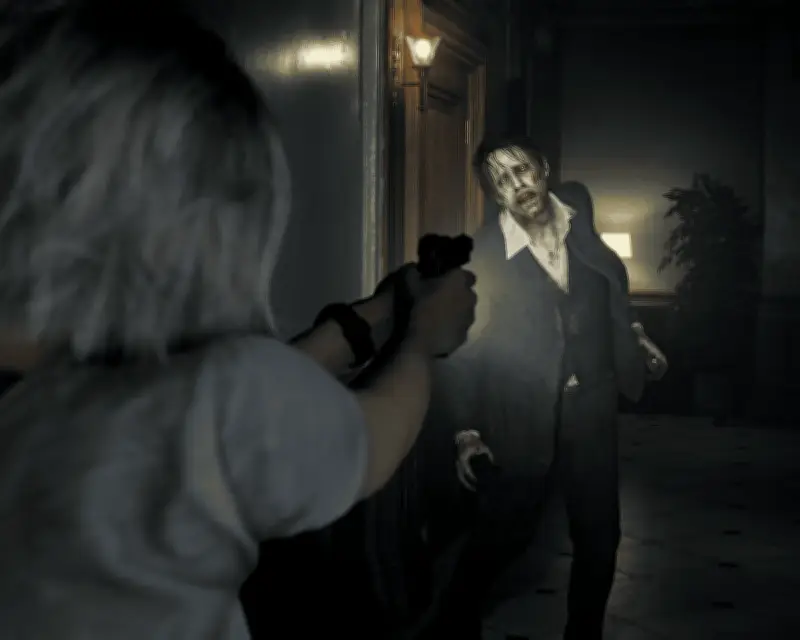
Horror video games are experiencing a surge in popularity, with titles like Resident Evil Requiem, Mouthwashing, and upcoming releases such as Silent Hill: Townfall offering rich material to decode society's problems. At a recent horror and gaming conference at Falmouth University, academics explored how these games address global anxieties, helplessness, and workplace dangers.
Academic Insights into Horror Games
The conference featured talks on zombies and posthumanism, the gothic in games, and the role of monstrous little girls in survival horror. Subjects like masculine fragility, disability, and ageing were discussed. Will Doyle, creative director at Supermassive Games, gave a keynote on creating horror using revulsion, spatial alienation, and apophenia. Attendees learned about theorists such as Julia Kristeva and Mark Fisher, and technical similarities between indie horror games and film noir, such as using darkness to hide budget restrictions.
Exploring Helplessness and Control
Poppy Wilde, senior lecturer in media and communication at Birmingham City University, spoke about agency in horror games. "Agency is a big theoretical concept... horror video games often explicitly play with that idea of control and lack of control as being horrifying," she said. Games like Routine and The Complex: Expedition constantly question the player's role and ability to effect change.
Workplace Horror Themes
Ewan Kirkland, senior lecturer in critical studies at the University for the Creative Arts, noted that career instability is a popular subject. "The idea that the company you're working for is not doing its best for you is a theme in a number of contemporary horror games," he said, citing Lethal Company, Five Nights at Freddy's, and Mouthwashing. "Clearly video games are engaging with some quite weighty political issues."
Importance of Academic Study
Academic work on horror games is crucial for valuing games as a cultural medium and passing on ideas to new developers about how games work as cultural, aesthetic, and sociopolitical texts. The conference also touched on links between tentacle porn and Baldur's Gate 3, and Anthony Vidler's theories of the "architectural uncanny" in relation to Raccoon City.
Horror as a Life Skill
Horror is a thriving genre because it is a radical means of disassembling society's problems and terrors. As the article states, "We need to know what lurks in the cellar; we need to understand what the zombie wants and what it represents." No work of apocalyptic horror fiction was ever about a far distant future—it was always about now.




