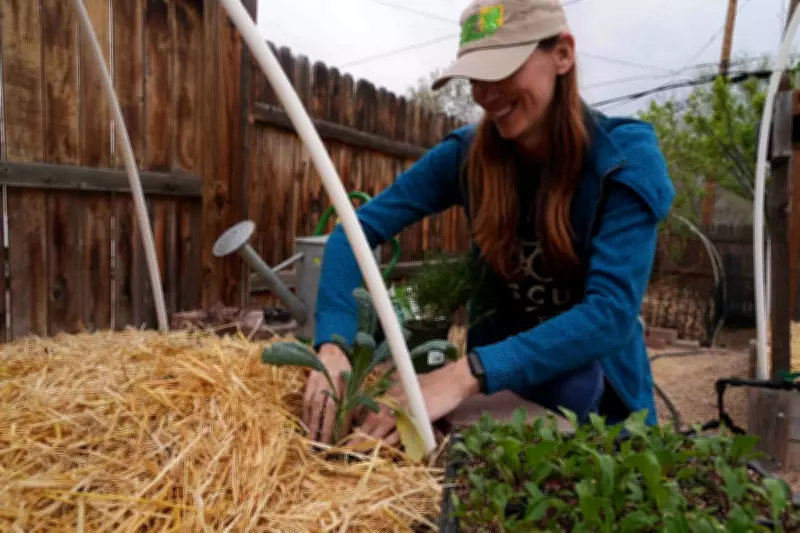
As the western United States faces one of the worst snow years on record, communities must adapt to living with less water. Heather Grady, a Denver gardener, knows this challenge firsthand. With most of Colorado in drought, she and her husband Terrance are finding ways to conserve water in their backyard vegetable garden. 'We feel personally responsible, even though it's not a problem we created,' says Grady, who shares her journey on Instagram's Homesteading in Denver.
A winter of record-low snowfall across much of the U.S. West means less snowmelt for rivers and lakes, prompting cities to enforce watering restrictions. Denver Water announced drought restrictions on March 25, the earliest ever. Salt Lake City urges voluntary cutbacks, while Los Angeles, Las Vegas, and Albuquerque have year-round seasonal rules. Growing food gardens is still typically allowed under these restrictions, but water-wise practices are essential.
Know Your Water and Plant Accordingly
Greg Peterson, creator of The Urban Farm, advises assessing all water sources, including rain barrels, vegetable rinse water, and air conditioner condensation. Don Titmus, a co-educator in Mesa, Arizona, collects greywater by showering outdoors and washing dishes with non-toxic soaps to use in his garden. Jamiah Hargins, founder of Crop Swap LA, notes that rainwater is better for plants than tap water: 'Rainwater has more oxygen than tap water. It makes the roots happier and plants grow much better.'

Select plant varieties that thrive with natural rainfall. Consider hybrids bred for low water use or heirlooms native to your region, suggests Noelle Johnson, author of 'The Water-Smart Garden.'
Feed Your Soil
Healthy soil contains dirt, air, organic matter, water, and biological life. It needs less fertilizer and water, says Peterson. Josie Hart, Associate Director of Sustainable Agriculture at Denver Botanic Gardens Chatfield Farms, recommends a soil test to check nutrient levels. To prepare soil, break up hard dirt with a tiller or shovel and add compost or leaves. In future years, simply add compost on top and let worms do the work.
Protect from the Elements
Sun and wind dry out gardens quickly. Planting near fences, trees, or sheds provides shelter. Shade cloths reduce evaporation by filtering sunlight. Johnson recommends intensive vegetable planting, which staggers plants closer together so mature leaves provide shade and reduce evaporation. Planting directly in the earth, rather than raised beds, also helps because raised beds are more exposed. In arid climates, consider a waffle bed—a grid of small raised soil rows that capture rainfall. 'Creating a waffle bed captures any moisture and keeps it there,' says Hart. Mulch is essential for retaining water and suppressing weeds, but avoid wood mulch, which can steal nutrients.
Water Deeply and Less Often
Use drip irrigation, soaker lines, or drip tape to put water directly into the soil. Avoid spray systems that lose water to air. Hart recommends watering deeply for at least an hour in summer, then waiting three days before watering again. This encourages deep root growth. Heather and Terrance Grady plan to switch from short daily spurts to deep watering three days a week. 'It's a huge change,' says Grady.