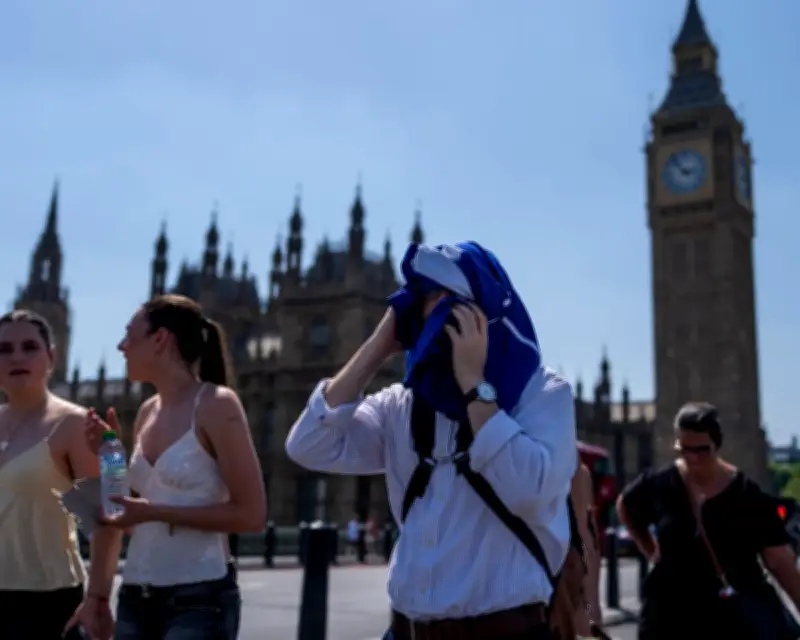
As Europe’s heatwaves become more dangerous, individuals can take four key steps to protect themselves and others, according to recent analysis following June’s record-breaking temperatures.
June Heatwave Death Toll
Scientists estimate the June heatwave likely caused between several thousand and over 20,000 deaths across Europe. Cities have been particularly hard hit, with Berlin reaching 39.2°C and the eastern German village of Coschen provisionally recording Germany’s hottest temperature ever at 41.7°C.
Cut Carbon Pollution
The June heatwave would have been “virtually impossible” just two decades ago, scientists say. Studies show more than half of heat-related deaths in European cities are linked to fossil fuel burning. Individuals can reduce their carbon footprint by avoiding flights, eating less meat, swapping gas boilers for heat pumps, using electric vehicles or bikes, and buying less. While billionaires and Big Oil share blame, personal lifestyle choices and voting also significantly impact global warming.
Adapt Your Home
Urban heat island effects, worsened by car culture and poor building design, intensify temperatures in cities. Air conditioning offers quick relief but strains electricity grids and worsens heat for those without it. Shading solutions like awnings and external shutters can achieve similar effects. Even renters on tight budgets can hang curtains or bedsheets outside windows to create large temperature differentials.
Change Your Habits
Simple behaviors like drinking water, drawing curtains, wearing loose clothes, and avoiding the sun are effective but may be unfamiliar to those not accustomed to extreme heat. Avikal Somvanshi, a heat researcher at the University of Darmstadt, noted that in India and southern Europe, people seek shade when the sun is out, but in northern Europe, many stand in direct sunlight to tan. Opening windows when outdoor air is hot can worsen indoor heat.
Check In and Help Out
Trade unions advocate stopping work during extreme heat, especially for builders and farmers. Cities like Barcelona have turned public buildings into cooling centers. Doctors recommend checking on older people and those with underlying illnesses, who account for most heat deaths, particularly those living alone. In Paris, vulnerable residents can register for city check-ins during heatwaves; in Denmark, volunteers provide similar services. Knocking on a neighbor’s door to offer a cool drink or help with groceries can be life-saving.
As one observer noted, “In India, and even in southern Europe, when the sun is out people seek shade. My fellow Germans will just stand there trying to get a tan.” The combination of personal actions and community support can dramatically reduce heat-related fatalities.