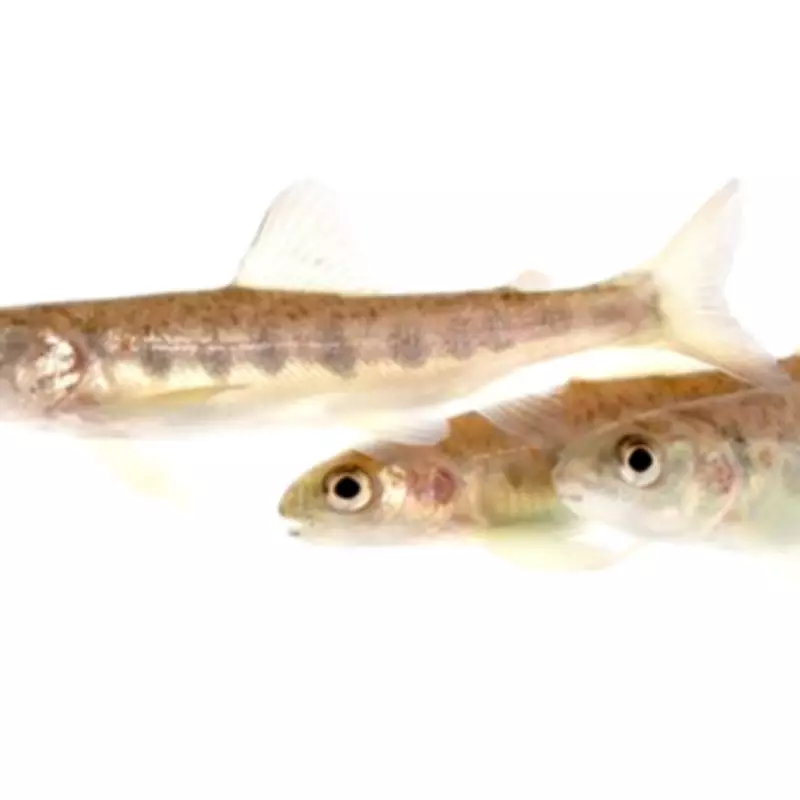
Cocaine Pollution Sends Salmon into Frenzy, Study Reveals
Pollution from cocaine is driving wild salmon into a state of frenzy, dramatically altering their natural behaviour and movement patterns, according to a landmark new scientific study. The research, published in the journal Current Biology, provides the first concrete evidence that traces of the illegal drug in aquatic environments are directly impacting fish behaviour outside of laboratory conditions.
Altered Movement Patterns in Natural Habitats
An international team of researchers monitored 105 juvenile Atlantic salmon over an eight-week period in Lake Vättern, Sweden, using sophisticated slow-release chemical implants and acoustic tracking technology. The fish were divided into three distinct treatment groups: a control group with no exposure, a group exposed to cocaine itself, and a group exposed to benzoylecgonine, which is the primary metabolite of cocaine commonly detected in wastewater systems worldwide.
The findings revealed startling behavioural changes. Fish exposed to benzoylecgonine swam up to 1.9 times further per week compared to their unexposed counterparts. Additionally, these contaminated fish dispersed up to 12.3 kilometres (approximately 7.6 miles) wider across the lake's ecosystem. Researchers noted these alterations became increasingly pronounced over time, suggesting sustained exposure fundamentally changes how fish occupy and interact with their natural environment.

Ecosystem Implications and Scientific Significance
Study co-author Dr Marcus Michelangeli of Griffith University's Australian Rivers Institute in Brisbane emphasised the profound implications of these findings. "Where fish go determines what they eat, what eats them, and how populations are structured," he explained. "If pollution is changing these fundamental movement patterns, it has the potential to affect entire ecosystems in ways we are only beginning to understand."
The research is particularly significant because it demonstrates effects occurring in complex wild environments rather than controlled laboratory settings. Previous studies had suggested cocaine could alter animal behaviour, but those investigations were confined to artificial conditions that don't reflect the multifaceted challenges animals face in nature.
Widespread Contamination and Regulatory Concerns
Repeated scientific studies confirm that cocaine and its metabolites are increasingly being detected in rivers and lakes across the globe. These compounds enter waterways primarily through sewage systems that were never designed to filter out such pharmaceutical and illicit drug contaminants effectively.
Perhaps most concerning is the discovery that benzoylecgonine, the cocaine metabolite, had an even greater impact on fish movement than the parent cocaine compound itself. Researchers describe this finding as "significant" because current environmental risk assessments typically focus on parent compounds, despite metabolites being more prevalent in polluted waterways. This suggests existing regulatory methods may be missing crucial biological effects on wildlife.
Human Consumption Safety and Future Research
The research team stressed that their findings pose no immediate risk to people who consume fish. Exposure levels in the study reflected those already present in polluted waterways, the compounds break down naturally over time, and the fish studied were juveniles well below legal catch size.
Dr Michelangeli highlighted the broader concern about pollutants entering aquatic ecosystems: "The idea of cocaine affecting fish might seem surprising, but the reality is that wildlife is already being exposed to a vast array of human-derived drugs on a daily basis. The unusual part is not the experiment, it's what's already happening in our waterways."
Future research will seek to establish how widespread these behavioural effects are across different species, pinpoint which aquatic organisms face the greatest risk from pharmaceutical pollution, and examine whether changes in movement patterns ultimately result in shifts to fish survival rates and reproductive success.