Cocaine Pollution Alters Young Atlantic Salmon Behaviour in Wild Waters
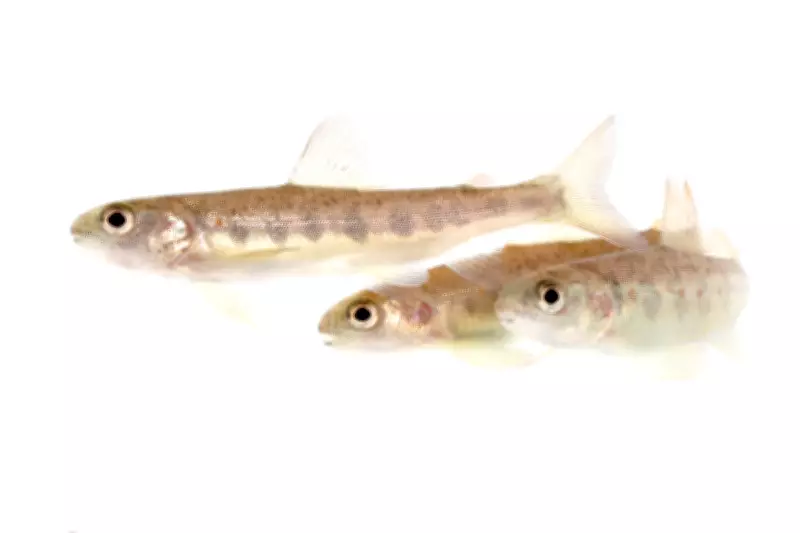
A groundbreaking new study has uncovered that cocaine pollution is significantly changing the behaviour of juvenile Atlantic salmon in their natural habitats. Conducted by researchers at Griffith University, this investigation marks the first time the effects of cocaine contamination on fish behaviour have been demonstrated in wild environments.
Tracking the Impact in Sweden's Lake Vättern
The research team meticulously tracked over one hundred juvenile Atlantic salmon in Sweden's expansive Lake Vättern. Their findings revealed a startling pattern: fish exposed to benzoylecgonine, a primary metabolite and derivative of cocaine, exhibited dramatically altered movement. These salmon swam twice as far and dispersed up to 12.3 kilometres further than their uncontaminated counterparts.
Global Presence of Cocaine in Waterways
Cocaine and its metabolites are becoming increasingly prevalent in rivers and lakes worldwide. They primarily enter aquatic systems through wastewater treatment facilities, which are often unable to fully remove these psychoactive compounds. This persistent contamination poses a growing environmental challenge across the globe.

Potential Ecosystem Consequences
Researchers have issued a stern warning regarding the potential ecological ramifications. The altered movement patterns observed in the juvenile salmon could have significant downstream effects on entire ecosystems. Changes in dispersal and swimming behaviour may affect predator-prey dynamics, migration routes, and population distributions.
No Direct Risk to Human Consumers
Importantly, the study confirms that there is no immediate risk to humans who consume fish from these waters. The behavioural changes in the salmon do not translate to a direct health hazard for people eating the fish, though the broader environmental implications remain a serious concern.
This research underscores the hidden consequences of pharmaceutical and illicit drug pollution, highlighting an urgent need for improved wastewater management and greater awareness of how human activities impact aquatic life.