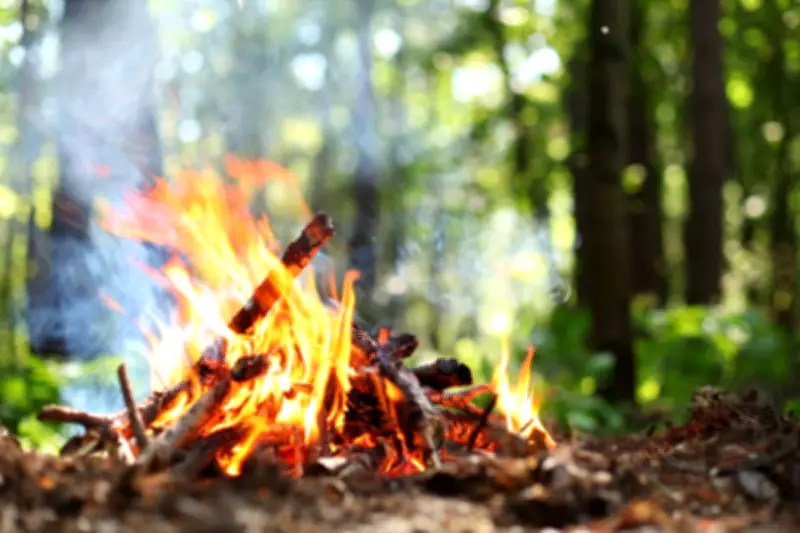
A comprehensive seasonal ban on campfires and barbecues will be enforced in Cairngorms National Park starting Wednesday, April 1, as authorities intensify efforts to mitigate the escalating threat of wildfires. This prohibition will remain in effect until September 30, targeting the drier and warmer months that have become increasingly prevalent due to climate change.
Addressing a Growing Environmental Crisis
The new by-law, approved by Scottish Government ministers in 2025 after an extensive public consultation, responds to a surge in wildfire incidents across Scotland. Last year alone, the Scottish Fire and Rescue Service (SFRS) tackled more than 200 wildfires, including a devastating blaze around Carrbridge and Dava Moor in the Highlands, which was recorded as the largest wildfire in United Kingdom history.
Strict Enforcement and Public Awareness Campaigns
Violators of the ban face a maximum fine of £500, underscoring the seriousness of the measure. To ensure compliance, the Cairngorms National Park Authority is deploying over 100 rangers this summer, a record number, and coordinating joint patrols with Police Scotland at identified hotspots.

Simultaneously, a major communications initiative is being launched, centered on the slogan 'protect our national park. No flame, no spark'. This campaign will utilise roadside signs, leaflets, social media platforms, and collaborations with local businesses to disseminate information widely.
Community Collaboration and Expert Insights
Sandy Bremner, convener at the Cairngorms National Park Authority, emphasised the dual goals of preservation and enjoyment. "We want people to keep enjoying all that the national park offers but we also need everyone to help protect it," Bremner stated. "We know it only takes one rogue spark to start a wildfire and when there is so much to lose, we can’t take that risk."
The authority is working closely with councils, estates, community groups, and businesses to foster a unified approach. This collaborative effort aims to share critical information and enhance preparedness across the region.
Climate Change and Resource Strains
Area commander Robert Lennox, a local senior officer with the SFRS, highlighted the broader implications of wildfires. "Wildfires pose a real risk to people, properties and nature. Each wildfire we respond to can have a significant impact on our resources and these incidents are often in remote locations, which take time to reach," Lennox explained.
He further noted that extreme weather events, including floods, droughts, and wildfires, have become more frequent in Scotland, with communities in the Cairngorms experiencing these impacts acutely in recent years. The by-law is viewed as a vital new tool to address these challenges and safeguard the national park's ecological integrity.
Public Support and Historical Context
The implementation of the ban follows strong public backing, with 79% of the 1,600 respondents in the 2025 consultation supporting the seasonal fire by-law. Established in 2003, Cairngorms National Park spans 4,528 square kilometres, making it the largest national park in the United Kingdom. Its vast, diverse landscapes are particularly vulnerable to fire risks during extended dry periods.
This proactive measure reflects a growing recognition of the need to adapt environmental policies in response to climate change, ensuring the long-term protection of one of Scotland's most cherished natural assets.