
Bristol has been formally declared a 'city of harm reduction', with local politicians pledging to focus on helping and treating users of illegal drugs rather than punishing them. The declaration, passed by a full council meeting, is led by Green councillors who control the city council and signals a shift toward public health solutions for the UK's growing drugs crisis.
Pressure on Labour Government
Green councillors hope the declaration will pressure the Labour government to rethink drug policies, specifically to allow a legal drug-consumption facility in Bristol, similar to one already operating in Glasgow. The motion notes that drug poisoning deaths are at an all-time high, with Bristol's rate nearly double the national average, and warns of a rapidly evolving drug market with dangerous super-strength synthetic opioids.
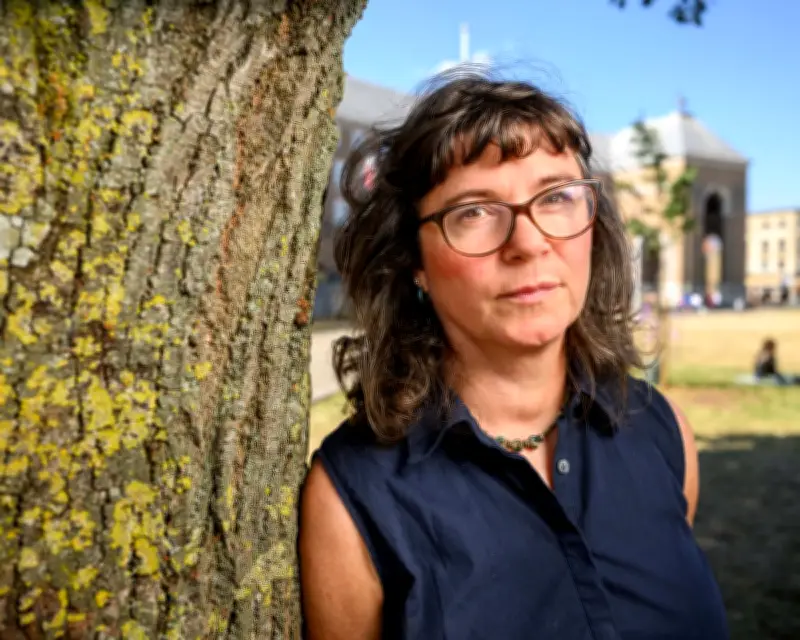
Cara Lavan, a Green councillor who lost her partner Jake Coe, 37, to drug overdose poisoning, described the declaration as an important moment. 'I hope other local authorities will take note and follow suit to create a domino effect that tells the government we need change,' she said.
Personal Tragedy and Policy Failure
Lavan shared that Coe had been in recovery for five years but relapsed and was able to buy heroin and crack within half an hour, despite living in a new area where he did not know dealers. 'The prohibition didn't stop him getting hold of it,' she said. The couple had a baby, and Coe was about to qualify as an arts psychotherapist. Lavan added: 'We were unable to get the help we needed because the drugs he was using were illicit and there was the constant threat he would be arrested and criminalised. He desperately wanted to be drug free, but he just wasn't able to cope and he couldn't get support.'
She called for 'sensible, evidence-led drug policies,' citing overwhelming evidence that the Misuse of Drugs Act 1971 has failed. 'Drug treatment agencies, police forces, health professionals across the country know that our drug policies actively work against solving many of the problems that we have.'
Cross-Party Support and Opposition
The motion was backed by Bristol Labour and Liberal Democrat councillors but rejected by Tory members, who argued it is 'ideologically framed'. Nationally, the Greens advocate legalising and regulating drugs. Labour councillor Kaz Self expressed concern that the declaration could be the 'thin end of the wedge', though her party supported it.
Green councillor Abdul Malik, a mosque leader, emphasised that his faith views intoxicants as harmful and to be avoided. 'Nothing in this motion changes that. This is not about encouraging drug use or normalising addiction. It is about recognising a simple truth: after 55 years, we cannot honestly say prohibition on its own has solved this problem and we have a responsibility to look at what the evidence tells us does work.'
Moment of Silence
Instead of a closing speech, Lavan called for a minute's silence in memory of people suffering from addiction, those who have died from overdoses, and the families left behind. The declaration is seen as a step forward for harm reduction in Bristol, which has already adopted such approaches for some time.




