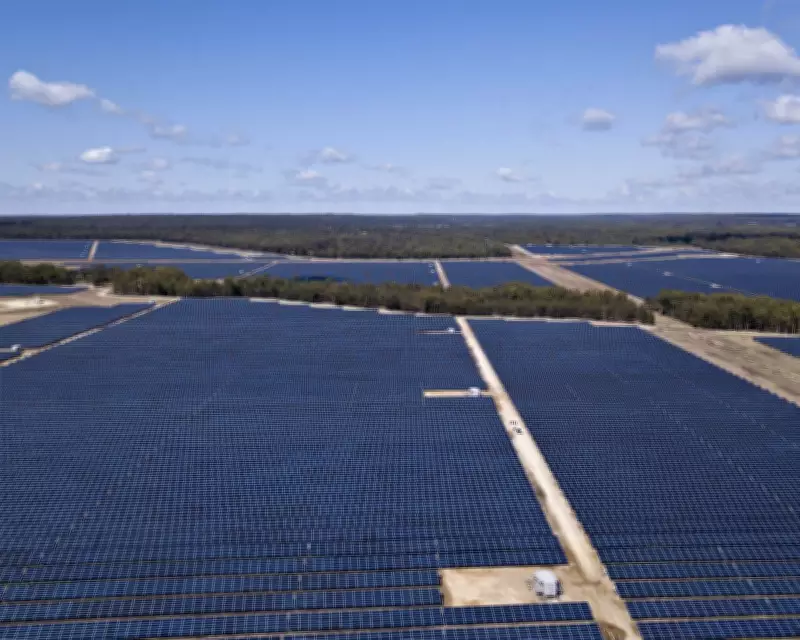
Australia has announced a sweeping national energy transition plan, marking a historic shift towards renewable energy and a commitment to achieve net-zero emissions by 2050. The plan, unveiled by the federal government, includes a significant investment in solar, wind, and hydrogen power, as well as a major upgrade to the national electricity grid.
Key Components of the Plan
The strategy outlines a pathway to decarbonize the economy, with a focus on phasing out coal-fired power plants by 2035 and replacing them with renewable energy sources. The government has pledged to invest billions of dollars in new transmission lines, energy storage systems, and green hydrogen projects. Additionally, the plan includes measures to support workers and communities affected by the transition from fossil fuels.
Renewable Energy Targets
By 2030, Australia aims to generate 82% of its electricity from renewable sources, up from around 30% today. This will be achieved through a combination of large-scale solar and wind farms, rooftop solar installations, and battery storage. The plan also sets a target for 10 million electric vehicles on the road by 2035, supported by a nationwide charging network.

Grid Modernization
A key element of the transition is the overhaul of Australia's aging electricity grid. The government will invest in new high-voltage transmission lines to connect remote renewable energy zones to major cities. Smart grid technologies and demand management systems will be deployed to ensure reliability and stability as the share of variable renewables increases.
Economic and Social Implications
The transition is expected to create thousands of jobs in renewable energy, construction, and manufacturing. However, the government acknowledges the challenges for coal-dependent regions and has established a $10 billion fund to support retraining, infrastructure, and economic diversification. The plan also includes energy price relief measures for households and businesses.
International Context
Australia's announcement comes amid global efforts to accelerate climate action. The country has faced criticism for its slow progress on emissions reduction, but this plan aligns it with other major economies. The government emphasized that the transition will position Australia as a leader in green energy exports, particularly hydrogen.
Reactions
Environmental groups have welcomed the plan but called for more ambitious targets and a faster phase-out of fossil fuels. Industry bodies have expressed cautious optimism, highlighting the need for regulatory certainty and investment incentives. Opposition parties have criticized the cost and timeline, arguing for a more gradual approach.
The plan is subject to parliamentary approval, with debates expected to be contentious. However, the government has signaled its commitment to pushing the legislation through, citing the urgency of climate change and the economic opportunities of the energy transition.