Anthropologist Hanna Garth has spent over a decade studying food justice initiatives in South Central Los Angeles, and her findings challenge the core assumptions of many well-meaning activists. In her new book, Food Justice Undone: Lessons for Building a Better Movement, Garth argues that advocates often wrongly assume communities of colour lack knowledge about healthy eating, leading to ineffective programmes.
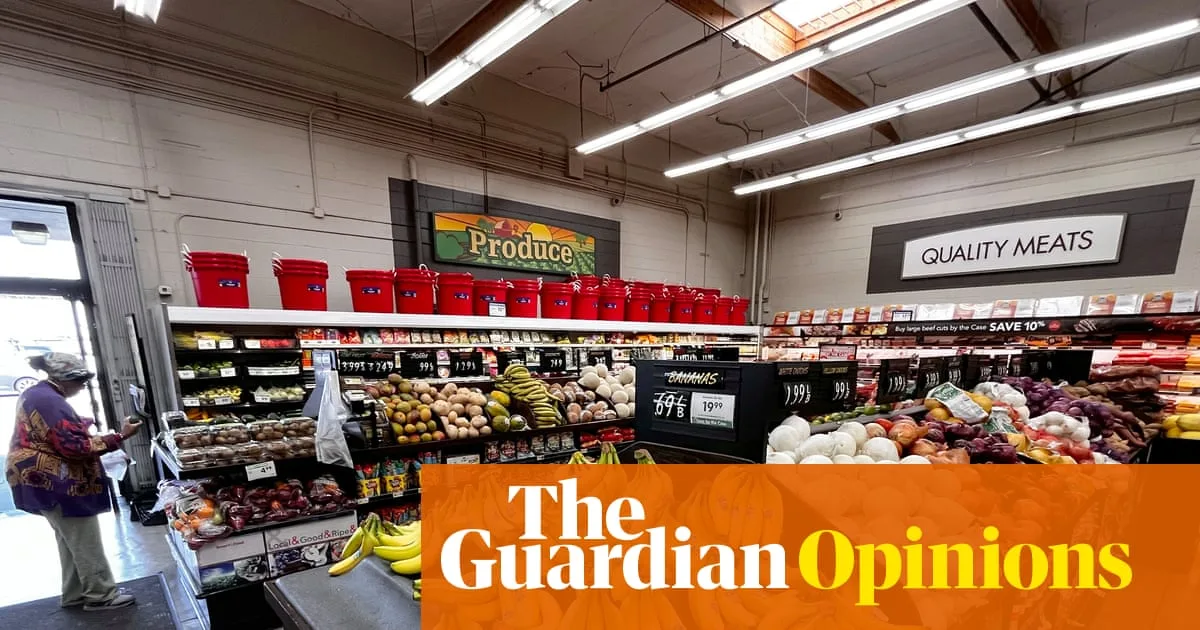
Garth describes meeting a white food justice executive who called South Central a 'wasteland' with 'nothing there' and claimed residents had 'almost zero education' about healthy choices. Yet her research documented dozens of full-service grocery stores, independent markets and fish shops in the area. 'Over and over again, I heard this idea of a knowledge and resource gap from food justice advocates, usually applied to communities of colour,' she writes.
In one cooking workshop observed by Garth, a recent graduate demonstrated 'healthy tacos' using whole wheat wraps and steamed cauliflower. When the wrap broke, students immediately pointed out the problem: 'Tortillas aren't supposed to break like that' and 'You need to heat it up.' Their comments suggested significant cooking knowledge, but went unacknowledged by the instructor.
Garth notes that many organisations focus on nutrition education and cooking demonstrations without asking residents what they actually eat or want. This mistaken foundation, she says, explains why the food justice movement has made 'relatively few gains despite the efforts of thousands of people.'