Why Black Truffles Thrive in Australia: Scientists Uncover Key Factors

Australia has become the world’s fourth-largest producer of black truffles, and scientists may have uncovered why. A new study from Michigan State University suggests that reduced competition from similar fungi in Australian soils gives black truffles a significant advantage.

Australia’s Truffle Industry Boom

Black truffles are not native to Australia, but since the first oaks and hazelnuts were planted in the 1990s, the local industry has flourished. Today, Australia is the largest producer outside Europe, with over 400 truffle orchards and half a million host trees across every state and territory except the Northern Territory.

The first host trees were planted in Tasmania in 1995, with the first black truffles harvested in 1999 and exports beginning in 2007. In under three decades, Australia has risen to become the fourth-largest producer globally, after Spain, France, and Italy.

Wide Pickt banner — collaborative shopping lists app for Telegram, phone mockup with grocery list

Environmental Factors Behind Success

Scientists from Michigan State University analyzed truffles and soils from 24 orchards across France, Spain, Italy, and Australia. Associate Professor Gregory Bonito, a mycologist and lead author, noted that understanding truffles is challenging because most activity occurs underground. “You grow a tree like an apple, you can see the flower and then the fruits, but below ground it’s a different story,” he said.

The research, published in Applied and Environmental Microbiology, involved collecting soil samples and analyzing fungal and bacterial diversity, along with the truffle microbiome. Results showed that Australian soils had 4,415 genetically distinct fungi types compared to 6,575 in European soils. Australian orchards had 75% fewer species of mycorrhizal fungi, the type that produces truffles, giving black truffles a near-monopoly.

Insights from Local Growers

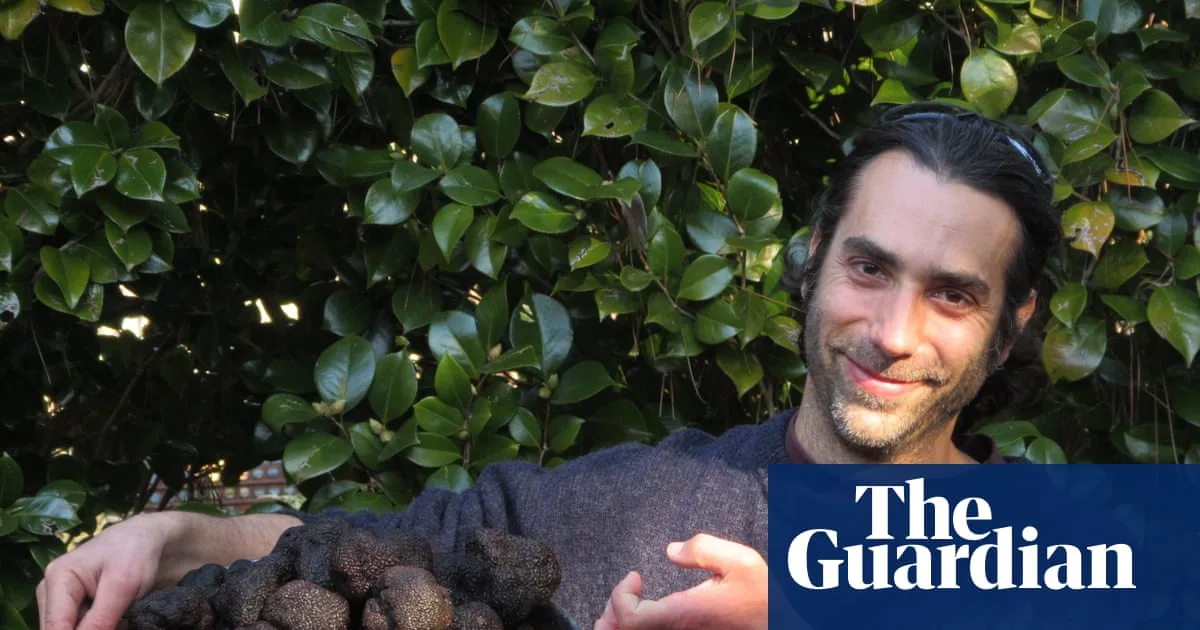
Stuart Dunbar of Yarra Valley Truffles, who holds the record for the largest cultivated truffle at 1.5 kg, emphasized the importance of soil conditions. “Super light and fluffy soils are crucial for producing healthy, round truffles,” he said. The fungi themselves help create alkalinity by drawing calcium and lime from the soil.

Co-author Dr. Gian Benucci described truffles as “the true architects of tree health,” acting like a backstage crew in a high-end kitchen, providing nutrients in exchange for photosynthetic carbon.

Similar Microbiome Across Continents

Surprisingly, the microbiome of black truffles remained strikingly similar across Australia and Europe, despite vastly different soils. This suggests that bacteria contributing to the truffle’s famed aroma are consistent globally.

Bonito noted that while biology is key, other factors like climate, good truffle stock, research, and an innovative attitude also contributed to Australia’s success. The researchers often enjoyed the produce, cooking truffles with eggs or eating them fresh.

Pickt after-article banner — collaborative shopping lists app with family illustration




