When the wind changed direction on a scorching 42C day in January, the fate of the Victorian town of Harcourt swung with it. The Ravenswood-Harcourt bushfire, which ignited under catastrophic conditions on 9 January 2026, rapidly bore down on the community, forcing residents to make split-second decisions about what to save and what to leave behind.
An estimated 48 homes in the Ravenswood-Harcourt area were destroyed, part of a wider toll of 289 houses lost across Victoria in fires that began on 7 January. As authorities warn that peak fire danger for the state is still to come in February, the experiences of those who fled offer crucial lessons in preparedness.
The Moment of Realisation
For many, the shift from calm to crisis was terrifyingly swift. Louise Cook-Tonkin was attempting to toast gluten-free bread outdoors after a power cut when she looked up to see a spot fire plume just a kilometre away. Moments earlier, she had driven through the area and believed the situation was clear.

Nearby in Harcourt, Katherine Seppings saw her neighbour's Australian flag—a sight she normally disliked—frantically whipping in shifting winds. She recognised it immediately as a very bad sign. "Internet was gone, phone was gone, electricity was gone and my neighbours were gone," she recalls, describing a paralysis of indecision as the fire front approached.
What They Packed: From Practical to Personal
Guardian Australia spoke to six residents about the belongings they grabbed. Their choices reveal a mix of practical planning and last-minute panic.
Louise Cook-Tonkin and her husband Bernie, who had a long-standing plan, took pre-packed photographs and important documents, along with cherished paintings, carpentry tools, and hiking gear. Yet, she now realises the need to pack for a longer absence, as re-entry is often delayed. She advises including a battery-operated radio, as mobile networks can fail under pressure.
Zoë Condliffe initially packed basics but, when panic set in, her selections became more random. Overwhelmed by family art, she opted for favourite clothes: a vintage Laurentino top and a Zimmerman ballgown. "You can't think straight," she admits, urging advance preparation. She also grabbed her partner's vintage Telecaster guitar and special dietary food.
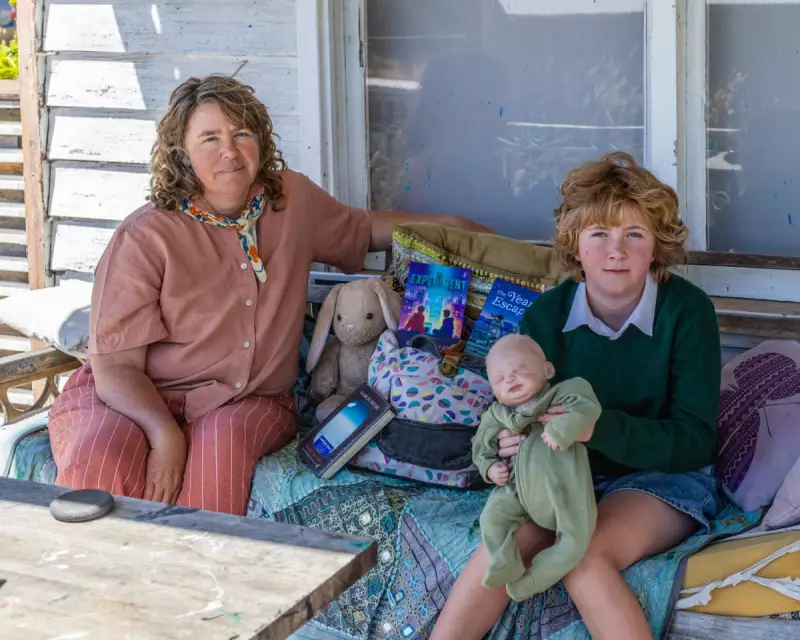
For Sam Downing in Elphinstone, the focus was on digital memories and her daughter's happiness. The family took computer back-ups, hard drives, medications, passports, and their daughter's favourite toys. "My daughter's things really matter to her," Downing explained.
The Essential 'Grab and Go' Kit
Ash Tanner and Gus Read-Hill of Golden Point exemplify structured preparedness. They keep a kit by the front door containing clothes, water, a wool fire blanket, a radio, a torch, and a first-aid kit. On the day, they also packed Read-Hill's home recording studio, mementos of his late father—a former CFA volunteer—and an electric chainsaw to clear potential roadblocks.
They also used the Scanner Radio app for real-time emergency updates, leaving immediately when the official "leave now" warning came. Their two chickens, 'Breast' and 'Time', were safely evacuated in cat carriers.
For Katherine Seppings, family history was paramount amidst the chaos. Alongside practical items like a mask and wool blankets, she took her grandfather's World War I and II identification tags, attached to a silver boomerang engraved with 'I Go to Return'. A counsellor later helped her understand that the 'freeze' response she experienced is a common survival mode reaction.
The Ultimate Priority: Family First
Mitch Nivalis, a CFA volunteer with a heavily pregnant partner, followed the clearest advice. They packed according to the CFA guide and left for Melbourne the day before the fire, prioritising safety over possessions. "I don't care about anything material," Nivalis stated. He emphasised the critical message given to firefighters: put family first to avoid tragic delays.

The collective experience of these six households underscores the Country Fire Authority's urgent advice for those in bushfire-prone regions: prepare a survival kit, have a plan, and be ready to leave early. As the Victorian fire season continues, these personal stories highlight that while material items can be insured, the trauma of loss and the clarity of preparedness are lessons etched into memory by the flames.