
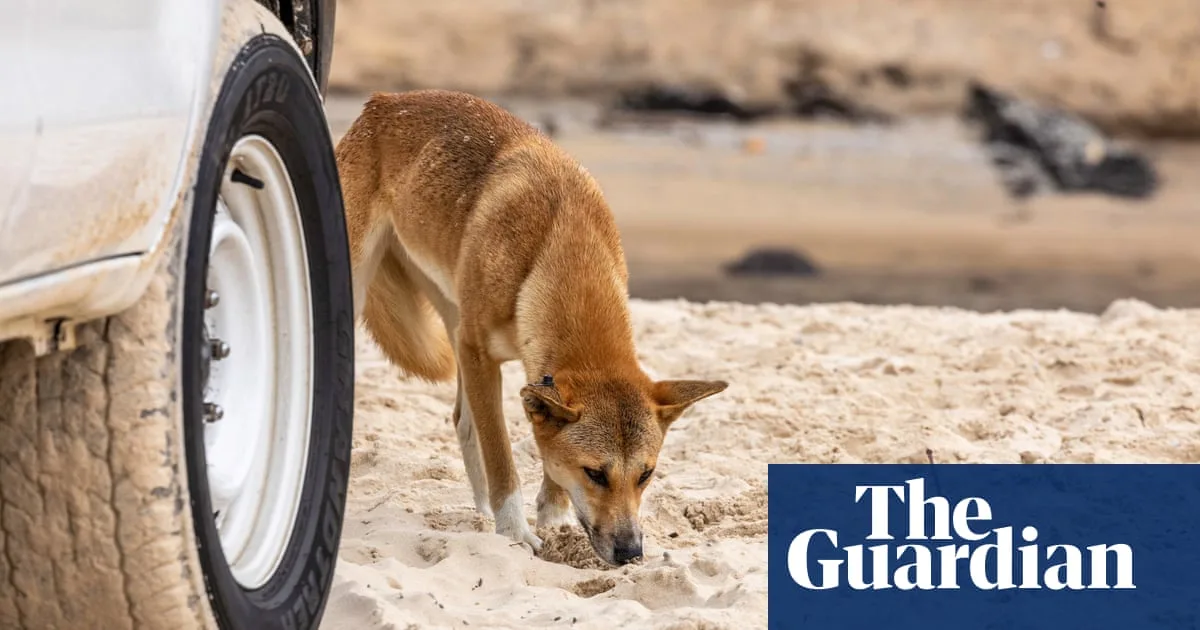
Queensland's new environment minister has ruled out imposing a cap on visitors to K'gari (Fraser Island), despite warnings from traditional owners that overcrowding is destroying the world heritage-listed site. The Butchulla Aboriginal Corporation, which represents the island's Indigenous custodians, said the Liberal National party (LNP) government's decision risks further harm to the fragile ecosystem and the island's sacred dingo population.
Christine Royan, secretary of the Butchulla Aboriginal Corporation, said overcrowding is 'destroying the island'. She criticised the government for treating K'gari as a 'cash cow', adding that some parts of the island are at 97 per cent capacity. 'What is the point of having a world heritage island when you have cars and more cars and more cars?' she asked.
Minister Andrew Powell said on Wednesday that the government has 'no intention' of imposing a cap, arguing that existing booking limits for campsites already serve as a de facto restriction. He dismissed the need for further caps, citing research that he claimed shows no link between visitor numbers and dingo attacks. 'The science and the research indicates there's no increase or decrease in interactions between dingoes and humans based on the number of people on the island,' he said.
However, environmental groups and the Butchulla dispute this, pointing to the impact of tourism on the island's dingoes, known as Wongari. Several dingoes have been destroyed in recent years after becoming habituated to humans due to tourists feeding them and taking selfies. A three-year-old child was bitten on the leg on Saturday, with the tagged dingo not deterred by efforts to scare it away. Royan warned that without action, the government might 'put all the Wongaris down'.
The previous Labor government had endorsed a 2022 study recommending vehicle limits on the 20 busiest days of the year. Chris Thomas, chief executive of the National Parks Association of Queensland, said there is a 'huge amount' of international research showing that capping visitor numbers is effective for conservation. He noted that the former government's $5m funding for additional rangers would only address symptoms, not the cause, which is over-tourism.
Anthony Gough, acting director of the Queensland Conservation Council, described spreading out visitor numbers across the year as a 'no-brainer'. He said managing visitor numbers helps protect cultural heritage, native wildlife and biodiversity, while also improving the visitor experience. The Butchulla Aboriginal Corporation has had to increase staff at peak periods to enforce rules, but Royan argued that education alone cannot solve the problem caused by overwhelming visitor numbers.




