Vermont Officials Engage Public on Bennington Battle Monument Restoration Plans
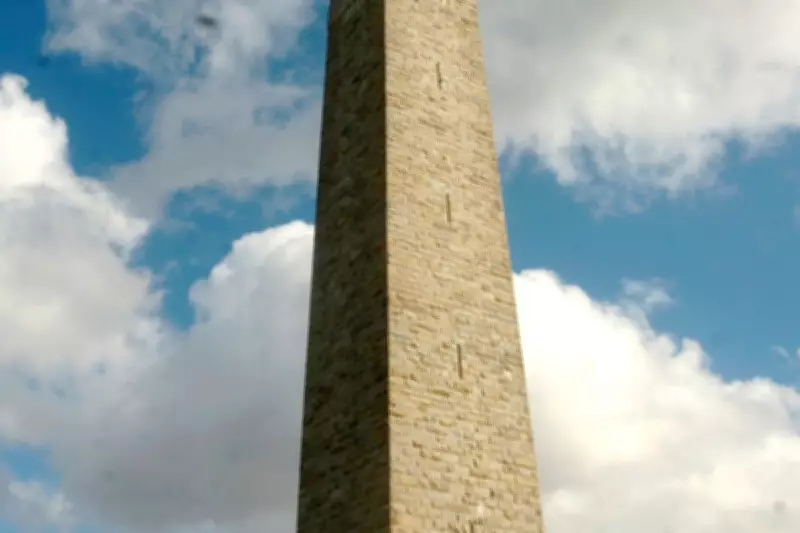
Vermont authorities are actively soliciting input from residents regarding the future of the Bennington Battle Monument, a significant historic structure currently grappling with severe water saturation issues. The 306-foot obelisk, which commemorates the pivotal 1777 Battle of Bennington, has absorbed an alarming 66,000 gallons of water, sparking urgent discussions about its preservation and potential restoration.
High Costs and Divergent Proposals Fuel Debate
Last year, state officials presented the Vermont Legislature with a daunting challenge: the monument, constructed primarily from limestone and standing as the second-tallest unreinforced masonry structure in the United States after the Washington Monument, requires extensive repairs. Initial estimates placed the restoration cost at a staggering $40 million, igniting a heated debate over the best course of action.
Various alternative proposals have emerged, including a suggestion from Vermont art collector and Vermont Country Store proprietor Lyman Orton to dismantle the monument and replace it with a holographic projection. Conversely, Representative Shawn Sweeney, a Democrat from Shelburne, advocated for coating the structure in copper to mitigate further water damage. Despite these ideas, the fundamental question of how to address the waterlogged, century-old edifice remains unresolved.

Public Meetings and Economic Considerations
In an effort to involve the community, the state has scheduled public meetings on April 29 and May 12 to update residents on the monument's current condition and gather feedback on its future. Following this public engagement process, a meeting on October 6 is planned to outline next steps. State Historic Preservation Officer Laura Trieschmann emphasized that while all alternatives are being considered, the primary goal is complete restoration, contingent on securing adequate donations and funding.
The Bennington Battle Monument is typically the most visited state-owned historic site in Vermont, providing substantial economic benefits to both the state and the Bennington region. However, visits declined last year due to a non-functional elevator, highlighting the urgency of addressing the structure's issues. Trieschmann noted that the initial phase of drying out the monument will require $15 million for design and construction, with additional costs for mechanical systems and crack repairs still under study.
Commitment to Long-Term Preservation
Trieschmann stressed the importance of executing the restoration correctly and developing a comprehensive maintenance plan. "We need to do it right, and we need to have a maintenance plan that comes out of this," she stated. "It's a big undertaking. It's going to take many years and a lot of dollars. I want to open it up to the people of Vermont, and also keep in mind what our capacity is." The Bennington Selectboard has already adopted a resolution supporting full restoration, underscoring local commitment to preserving this historic landmark.
As Vermont moves forward, the input from residents will play a crucial role in shaping the monument's future, balancing historical significance with practical and financial realities.