British fruit and vegetable growers are issuing stark warnings about potential production halts and empty supermarket shelves, as soaring energy and transportation costs triggered by the war in Iran threaten to render their operations economically unsustainable. Industry leaders fear numerous producers may be compelled to end their growing seasons prematurely, echoing previous crises that led to significant shortages.
Glasshouse Growers Face Critical Decisions
Lee Stiles, secretary of the Lea Valley Growers Association, which represents 70 glasshouse growers across the UK including major cucumber producers, highlighted the precarious situation. He stated that growers are now in a position similar to when Russia invaded Ukraine, with wholesale gas prices steadily increasing.
"With rising costs, many growers are thinking they might as well send the staff home, stop for the season and not produce anything," Stiles warned. "They're going to have to make a decision in the next few weeks as to whether or not it's going to be economic to continue for the rest of the year."

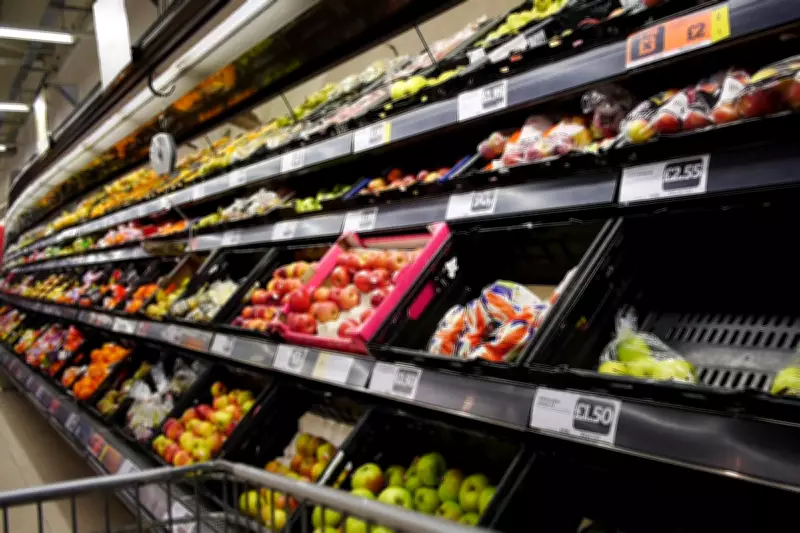
The inability to afford heating for glasshouses would mean crops cease to grow, resulting in dramatically reduced yields. Stiles drew direct parallels to previous shortages, noting: "Back in 2022 when Russia invaded Ukraine, we ended up with empty shelves in the supermarkets."
Supermarkets Urged to Intervene
Stiles urged retailers to take immediate action, pointing out that supermarkets agreed to fixed prices with growers last year. "They can intervene now if they wish and agree to pay more for the produce because of the increased cost of production," he said. "But it looks as though they're prepared to have empty shelves again and reduced availability."
Transportation Costs Skyrocket
Rachael Williams from the West Sussex Growers Association, covering fruit, vegetable, and ornamental plant production, echoed these concerns. She explained that the crisis extends beyond direct energy expenses, describing it as "four-fold really."
- Rise in transportation costs
- Increased input costs
- Supply chain disruption
- Energy costs for heating glasshouses
Williams highlighted the dramatic surge in fuel prices for open-field growers, stating: "On the transport cost, red diesel has gone up by more than 50% in just 10 days, that's huge for open field growers using tractors too."
Data from heating oil firm BoilerJuice confirmed red diesel prices skyrocketing from 79.44 pence per litre on March 1 to 131.26 pence per litre by March 12.
Food Resilience Under Discussion
These warnings coincide with a meeting between the National Farmers' Union and the Department for Environment, Food and Rural Affairs to discuss the UK's food resilience. NFU president Tom Bradshaw commented on the broader implications.
"We've already seen this situation play out with the Russian invasion of Ukraine which drove an ongoing cost-of-living crisis here," Bradshaw noted. "And, with the removal of farm support which added a layer of resilience for many farm businesses, farmers are more exposed than ever to global markets."
He concluded with a sobering assessment: "While the impact on food production and food price inflation will depend on what happens over the coming weeks, it is yet another sobering reminder of the need to build resilience in UK farming."
The combination of escalating energy prices, transportation costs, and supply chain disruptions presents a formidable challenge to British agriculture. Without intervention from retailers or government support, consumers could soon face the reality of empty supermarket shelves and reduced availability of fresh produce.