UK Food Prices Face Surge as Iran War Disrupts Vital Fertiliser Supplies
The ongoing conflict between the United States and Iran is poised to trigger significant increases in UK food prices, as the blockade of the Strait of Hormuz severely disrupts global fertiliser supplies. The National Farmers Union (NFU) has issued stark warnings, cautioning that British farmers risk becoming "collateral damage" in this geopolitical turmoil, with soaring costs for essential agricultural inputs threatening to destabilise domestic food production.
Fertiliser Costs Skyrocket Amid Supply Chain Disruption
Over the past month, the price of urea—a critical nitrogen fertiliser—has surged by 33.7 percent, representing a staggering 54.9 percent increase compared to the same period last year. This dramatic escalation is directly linked to the effective closure of the Strait of Hormuz, the narrow sea passage south of Iran, which has become impassable due to military hostilities. The blockade on fossil fuel shipments through this vital maritime corridor is driving unprecedented spikes in the costs of nitrogen and phosphate fertilisers, which are indispensable for cultivating cereals and vegetables.
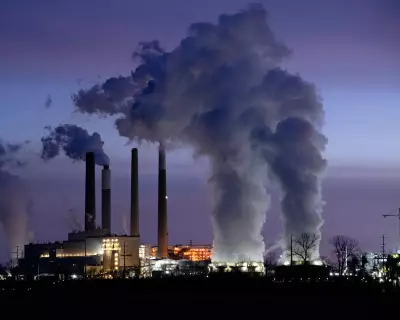
Compounding the crisis, several fertiliser manufacturing plants across the Middle East have been forced to cease operations due to their inability to source necessary raw materials. Natural gas, which constitutes between 60 and 80 percent of nitrogen fertiliser production costs according to NFU data, has become increasingly scarce and expensive. This dual threat of elevated fuel prices for farm machinery and prohibitive fertiliser costs places immense pressure on agricultural operations, with farmers facing the grim prospect of reduced harvest yields due to soil nutrient deficiencies.

Global Supply Chain Vulnerability Exposed
Approximately 30 to 35 percent of the world's nitrogen fertiliser supply traverses the Strait of Hormuz, alongside roughly 40 to 45 percent of sulphur exports from the Gulf region. This heavy reliance on the waterway underscores the extreme vulnerability of global agricultural markets to regional instability. Major producers such as Qatar Fertiliser Company, Saudi Arabia's Sabic, and the UAE's Fertiglobe, which typically play pivotal roles in maintaining international fertiliser flows, are now grappling with severe disruptions that are rapidly reverberating across farming sectors far beyond the Middle East.
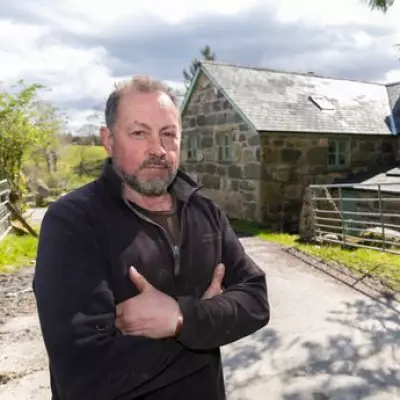
Richard Heady, a farmer managing 700 acres in Buckinghamshire, highlighted the dire situation, stating, "Prices for fertiliser have shot up, but the fact is we need it." To offset these escalating expenses, Heady plans to increase the price of a ton of grain from £170 to £220—a 30 percent hike—following the harvest. Such adjustments are becoming increasingly necessary for farmers striving to remain financially viable amidst the crisis.
Government and Economic Warnings Intensify
NFU president Tom Bradshaw recently met with Defra Secretary of State Emma Reynolds to emphasise how "volatility in the global energy market has a huge impact on our food supply chains here." Bradshaw stressed that transparency and fairness in fuel and fertiliser pricing are critical, particularly as farmers are actively planting crops and preparing for spring grazing. He confirmed that the government is "watching this very closely," though immediate solutions remain elusive.
Oxford Economics has revised its forecasts upward, now predicting a 2 percent rise in global food prices this year, a significant jump from its earlier projection of less than 1 percent. The firm attributes this adjustment to heightened natural gas prices and the strategic importance of the Strait of Hormuz for fertiliser trade. "We have raised our fertiliser price forecast by around 20 percent for the second quarter of 2026," Oxford Economics stated, adding that "risks are skewed to the upside due to the real risk of disruption to production in the region and trade through the strait."

Geopolitical Tensions Escalate as Statements Clash
US Secretary of Defense Pete Hegseth faced widespread ridicule after asserting that the Strait of Hormuz was "open" and that there was "no need to worry" about attacks, despite multiple vessels being targeted in recent days. "The only thing prohibiting transit in the straits right now is Iran shooting at shipping. It is open for transit should Iran not do that," Hegseth declared during a press conference. In stark contrast, Iran's new supreme leader, Mojtaba Khamenei, vowed to maintain the strait's closure in retaliation for ongoing US-Israeli strikes, while Hegseth boasted that the US is "decimating the radical Iranian regime's military in a way the world has never seen before."
A UK government spokesperson acknowledged the severity of the situation, stating, "We understand and are taking seriously the possible impacts of the Iran war on the food and farming sector." The government has engaged with the NFU and broader farming stakeholders to assess the conflict's effects, though it currently does not anticipate immediate impacts on food availability for consumers. Authorities remain vigilant, monitoring increases in fertiliser and oil prices while standing ready to implement measures to protect rural communities.