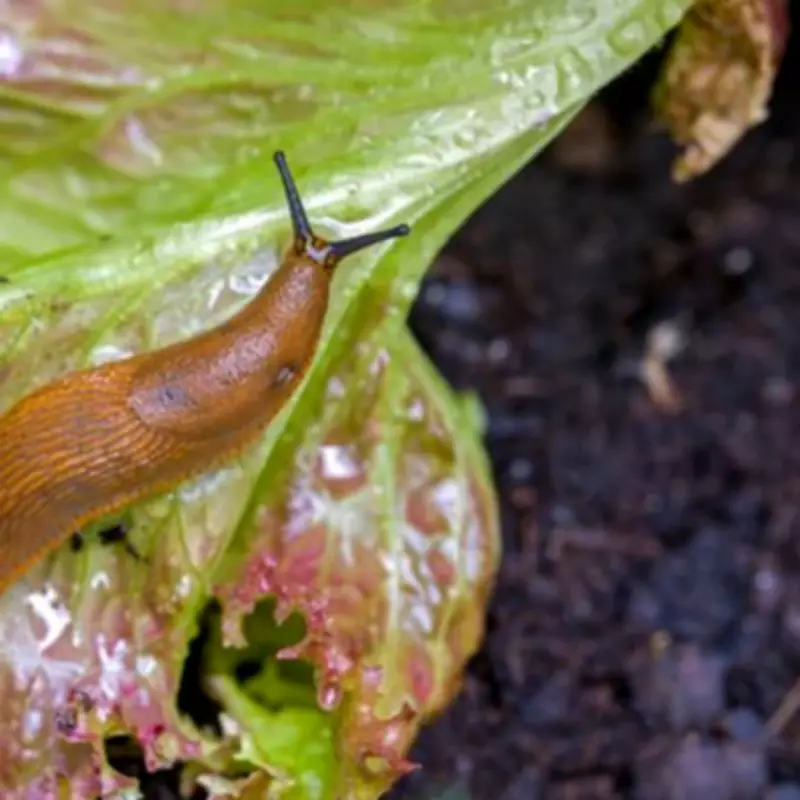
Slugs are a persistent garden pest that can drive any gardener to frustration. These slimy creatures hide during daylight hours, only to emerge at night and feast on carefully cultivated vegetables and delicate flowers. While slugs are active throughout much of the year, they become a particularly troublesome issue in spring, when tender new growth provides an abundant food source. Recent wet weather conditions may have led to an increase in slug activity, making effective control measures more crucial than ever.
Why Slugs Are a Problem
Slugs thrive in moist environments and can quickly decimate a garden if left unchecked. Their nocturnal habits make them difficult to spot, and their appetite for young plants can result in significant damage overnight. Gardeners often find themselves battling these pests without resorting to harsh chemicals, seeking natural solutions that align with eco-friendly practices.
The Expert-Recommended Solution
According to gardening professionals, the key to deterring slugs lies in a simple, natural material: sheep's wool. Davies Brothers Nursery highlighted this method in a Facebook video, emphasizing the "many benefits of using sheep's wool in your garden." They noted that its primary advantage is its "great" ability to "repel" slugs and snails effectively.

The experts explained that slugs move on a layer of slime, making dry, abrasive surfaces particularly challenging for them to traverse. Wool, with its prickly texture, creates an impassable barrier. Sellers at Chimney Sheep reinforced this point, stating, "Slugs hate wool, which makes it the perfect natural slug repellent. They hate the texture and the prickly surface, which means they steer clear. So, barricade your most vulnerable plants with wool."
Additional Benefits of Wool in the Garden
Beyond repelling slugs, sheep's wool offers several other advantages for gardeners. As it decomposes, it releases nitrogen into the soil, providing essential nutrients that feed plants. This natural composting process enriches the soil, promoting healthier plant growth.
The pros also highlighted wool's excellent moisture-retaining properties, which help maintain soil hydration during dry periods. Additionally, the wool layer acts as a shield, depriving weeds of light and thereby suppressing their growth. This multifunctional approach makes wool a valuable addition to any garden, combining pest control with soil improvement and weed management.
How to Use Wool Effectively
To implement this natural repellent, gardeners should place sheep's wool around the base of vulnerable plants, creating a protective barrier. This method is especially useful for seedlings and young plants that are most susceptible to slug damage. As the wool breaks down over time, it continues to benefit the garden by adding organic matter and nutrients to the soil.
By adopting this simple, eco-friendly strategy, gardeners can protect their prized plants from slugs without resorting to chemical treatments. Sheep's wool not only deters pests but also enhances overall garden health, making it a smart choice for sustainable gardening practices.