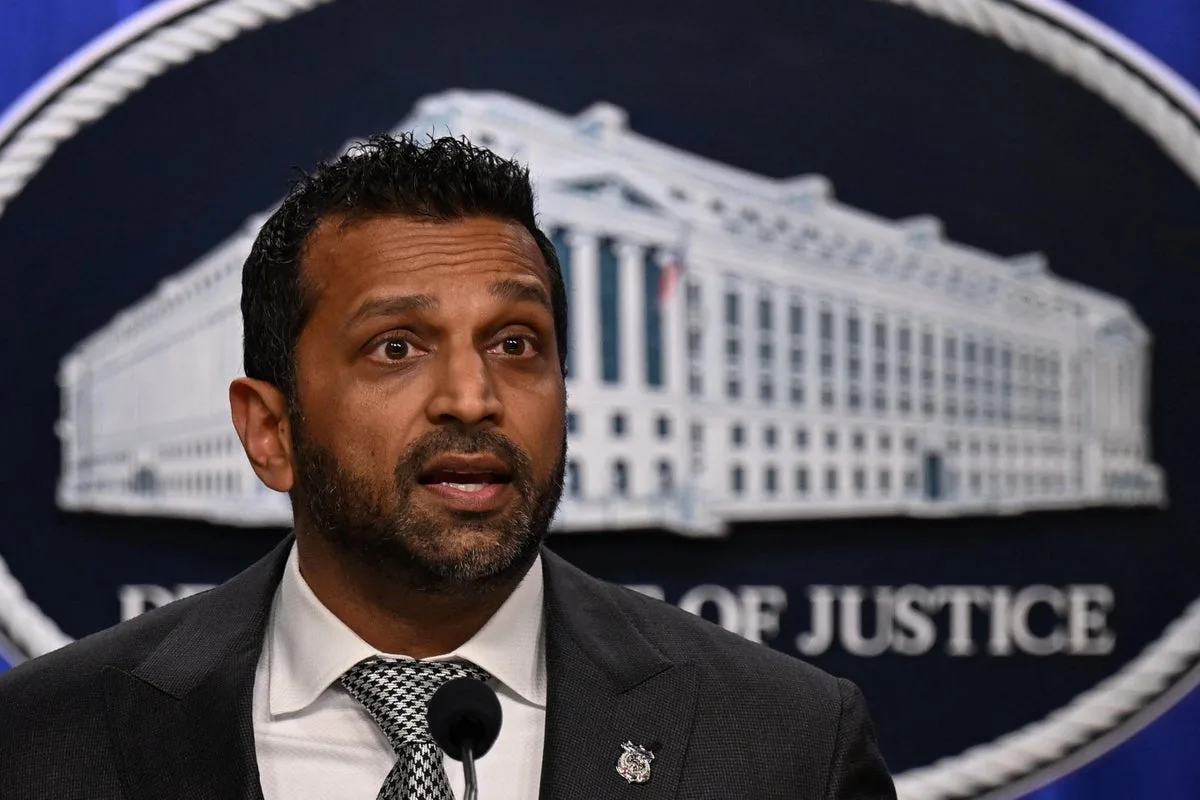
FBI Director Kash Patel’s $250 million defamation lawsuit against The Atlantic has done little to quell the disturbing allegations in what he calls a “hit piece” against him, and has instead sparked fierce criticism from his detractors. The lawsuit, filed in U.S. District Court in Washington, D.C., summarised the magazine’s nearly 2,200-word report into a concise list of 17 sentences outlining claims from more than two dozen anonymous sources, some of them current and former FBI officials or intelligence staff.
The allegations include that Patel “is known to drink to the point of obvious intoxication, in many cases at the private club Ned’s in Washington, D.C., while in the presence of White House and other administration staff,” and that he “is also known to drink to excess at the Poodle Room in Las Vegas, where he frequently spends parts of his weekends.” The report also claimed that “members of his security detail had difficulty waking Patel because he was seemingly intoxicated” on multiple occasions over the past year.
Patel, a former public defender in Miami, has denied the central allegations as “categorically false,” stating: “Print it, all false, I’ll see you in court — bring your checkbook.” However, his lawsuit confirmed a key detail from the Atlantic report: on April 10, 2026, Patel had a “routine technical problem logging into a government system, which was quickly fixed.” The magazine had reported that Patel panicked over the possibility he was intentionally locked out and began “frantically calling aides and allies to announce that he had been fired.”

The lawsuit also cited other alleged behaviour, including a request for SWAT team equipment “because Patel had been unreachable behind locked doors,” and his “recently expressed frustration with the look of FBI merchandise, complaining that it isn’t intimidating enough.” Lawyers referenced reporting that his alleged alcohol abuse “has become a threat to public safety” and presents a national security liability, while Patel is “deeply concerned that his job is in jeopardy,” has a “spotty” attendance record, and is often so unreachable that “delays resulted in normally unflappable agents ‘losing their s***.’”
Democratic lawmakers were quick to criticise Patel. Representative Dave Min of California said Patel appeared to be “trying to act like a little Mini-Me version of Trump,” adding that the lawsuit was a “desperate attempt to kind of follow Trump’s lead.” Min, a former law professor, called the complaint a “bulls--t lawsuit,” and referenced a viral video of Patel celebrating the US men’s hockey team’s Olympics victory by guzzling beer and jumping wildly.
The lawsuit comes just one week after a federal judge in Florida dismissed President Donald Trump’s $10 billion defamation case against The Wall Street Journal and Rupert Murdoch over a report about Trump sending a lewd birthday greeting to Jeffrey Epstein. Trump has vowed to file an amended version of his lawsuit. Legal observers suggest Patel’s legal action could ultimately bring further scrutiny to his conduct, potentially haunting him for months.