Country Diary: A Saliva Test for George the Pony and a Rethink on Worm Control
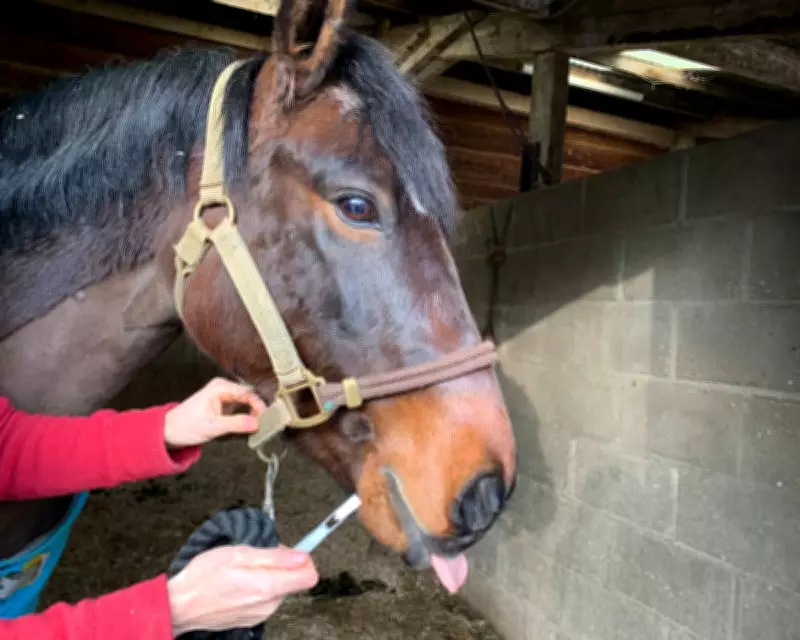
In the quiet fields of Caistor St Edmund, Norfolk, a careful procedure unfolds as I slide a medical spatula into the mouth of George, a Connemara pony. The goal is to find the interdental gap behind his incisors, where he begins to lick and chew, assessing if the device is edible. My task is to hold it firmly for at least thirty seconds, ensuring a robust sample of his saliva collects on the absorbent swab. This sample will later be analysed to detect antibodies that might indicate a burden of tapeworms, a critical step in modern equine health management.
The Evolution of Deworming Practices
Back in previous decades, deworming horses was a routine task performed every three months as part of the standard horse-care calendar. However, times have changed significantly. Resistance to wormers has increased over the years, and there is now a growing awareness of the environmental consequences associated with frequent deworming. Today, the approach has shifted towards targeted deworming, ensuring that horses are only treated when necessary, based on precise testing rather than a fixed schedule.
George was last tested for tapeworm during the winter months, and at that time, he required treatment, which was promptly administered. The current saliva test is conducted to verify the effectiveness of that previous treatment. In addition to this, I will collect a small sample of his fresh droppings, squishing it into a matchbox-sized plastic container. This sample will be sent for analysis to check for the eggs of other types of worms, which George typically tests clear of, providing a comprehensive overview of his parasitic load.

The Impact on Dung Beetles and Environmental Considerations
With the arrival of warmer weather, dung beetles are emerging from their hibernation, making it even more crucial to avoid unnecessary wormer use. These beetles are highly sensitive to substances like ivermectin, which can paralyse them and persist in the soil for over two years, posing a long-term threat to their populations. This environmental impact underscores the importance of judicious deworming practices.
Poo-picking forms the other essential component of parasite control. While it is a never-ending task, I take pride in maintaining a clear field. This practice helps break the lifecycle of parasites by removing eggs from the pasture. However, scrupulous poo-picking also presents a dilemma for dung beetles, as each dropping serves as their habitat and primary food source. Striking a balance is key to supporting both equine health and beetle conservation.
Observing Dung Beetles in Action
While inspecting a horse dropping, I prise it apart and observe a black beetle scurrying for shelter. This beetle, approximately two centimetres in length, boasts a shiny gloss and legs fringed with spurs that aid in tunnelling and pushing dung. Identified as a Geotrupidae, or dor beetle, it buries dung underground to feed on and breed in. It quickly disappears down a hole beneath the dropping, a tunnel about the width of my thumb, showcasing its efficient behaviour.
Other species among the UK's roughly sixty types of dung beetles live directly within the dung itself. All these beetles prefer fresh droppings, so the compromise for an avid poo-picker is to leave a few of the latest offerings untouched until the next collection, ensuring the beetles have access to their vital resources.
With both the saliva and poo samples duly posted for analysis, the wait begins for George's results. This process reflects a broader shift in rural management, where targeted care and environmental stewardship go hand in hand, preserving the delicate balance of farm ecosystems.