Gardening Experts Issue Urgent Warning Over Box Hedge Threat
British gardeners have been advised to remove a common garden feature that faces imminent attack this month. As the weather warms after a prolonged wet winter, horticultural specialists are highlighting the risk posed by invasive pests with no natural predators in the UK.
Box-Tree Caterpillars Target Hedges
Specifically, gardeners are being told to eliminate box hedges, which are vulnerable to infestation by box-tree caterpillars. These small insects, identifiable by their black heads and green bodies adorned with black and white stripes, can cause significant damage despite measuring only four centimetres in length.
Ann Treneman, writing in the Times, emphasised the danger, noting that these caterpillars can devour "your lovely box ball or hedge." She stressed the importance of proactive measures to protect garden aesthetics and plant health.

Psychological Warfare in the Garden
Nick Turrell, a horticultural adviser to the Royal Horticultural Society (RHS), described the battle against these pests as a form of psychological warfare. He explained, "It's more a case of outwitting the box tree caterpillar. We are smarter than it. We can work it out. It only eats one plant. It's not fast moving." His comments underscore the strategic approach needed to manage this seasonal threat effectively.
Spring Gardening Tips from Experts
Beyond pest control, gardening experts are offering a range of suggestions to revitalise gardens as spring approaches. Former royal gardener Jack Stooks, who once tended to King Charles's gardens, has shared practical advice for the coming weeks.
He recommends repurposing coffee grounds to support plants during the lingering cold spells. Stooks advised, "Don't bin your coffee grounds. Put them to good use in your garden, especially during the colder months. One of the easiest ways is to add them to your compost."
He elaborated on the benefits, stating, "Composting turns organic waste into nutrient-rich soil that boosts structure and fertility. Coffee adds nitrogen, a key nutrient for healthy plant growth, and it also helps speed up the decomposition process."
Mulching with Coffee Grounds
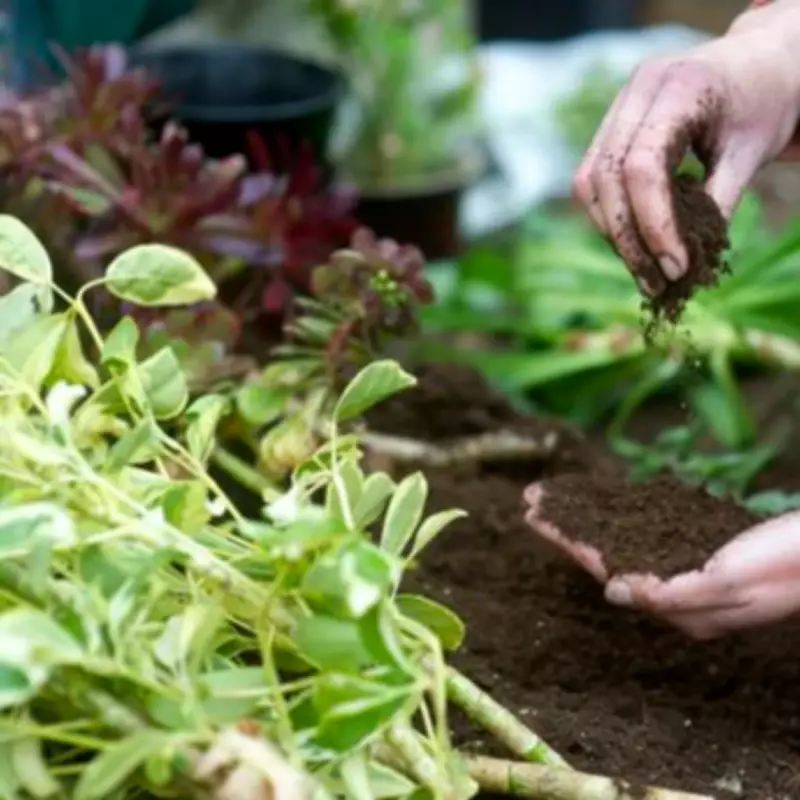
Additionally, Stooks highlighted the use of coffee grounds as mulch. He said, "You can also use coffee grounds as a mulch, which is a layer of material placed on top of the soil to help retain moisture, suppress weeds, and regulate soil temperature. Simply sprinkle the coffee grounds around the base of your plants, or mix them into an existing mulch layer." This method not only conserves resources but also enhances soil health.
Community Gardening Insights
The advice extends to indoor plant care as well. On the Gardening Tips and Tricks Facebook page, Alice Wallis shared her experience, posting, "I use my coffee machine every day, and instead of binning the capsules, I open them up to get the leftover grounds. They take a few days to dry, but I'll then sprinkle this around the base of the houseplant. Seems to be working well after my friend recommended it." This community-driven tip reflects a growing trend towards sustainable gardening practices.
As gardeners prepare for the growing season, combining pest management strategies with eco-friendly techniques like using coffee grounds can lead to healthier, more resilient gardens. Experts urge vigilance and innovation to navigate the challenges of spring gardening successfully.