Gardeners have been urged to prune five specific plants this February or risk a disappointing summer garden with fewer blooms, smaller harvests, and leggy, overcrowded plants. While many believe pruning season has ended as Britain moves toward spring, gardening specialists warn there is still a brief window to tackle overgrown shrubs before new growth takes hold.
Ali Lijee, a gardening authority from TreeMend, explained: “Once buds start swelling and new growth is visible, you’ve largely missed your chance for proper structural pruning. Late winter is your last opportunity to shape certain shrubs and fruit bushes whilst they’re still dormant. If you delay, you risk cutting off this year’s flowers or weakening the plant.”
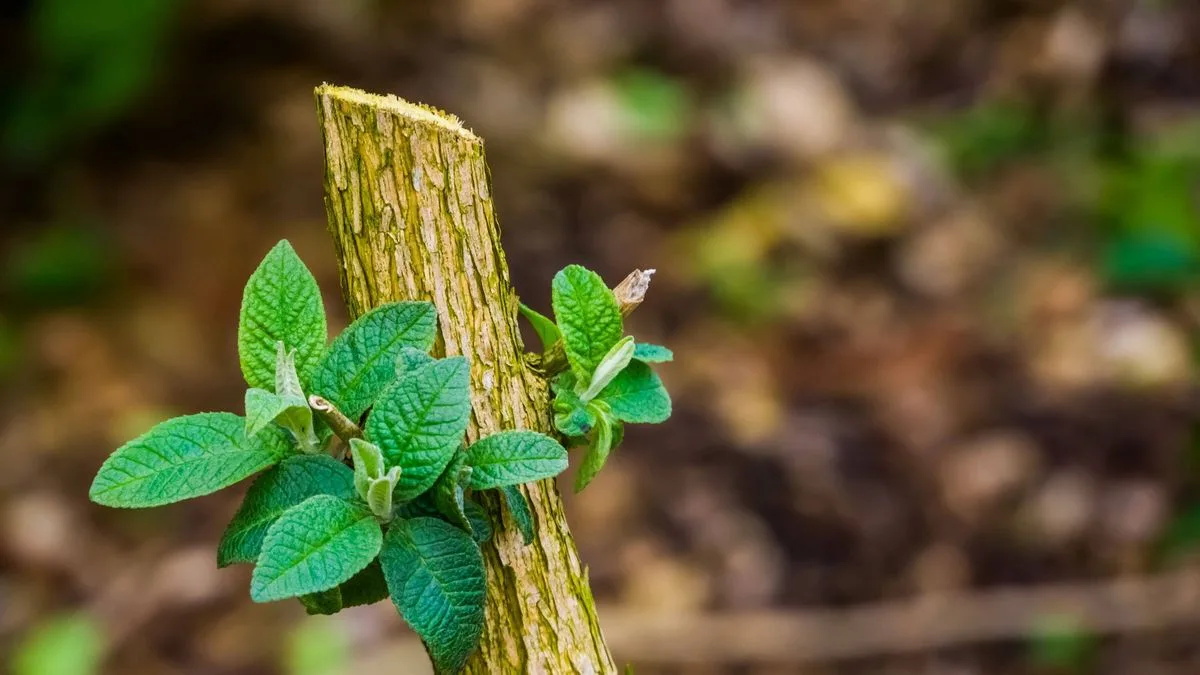
Buddleia, commonly known as the butterfly bush, requires vigorous cutting back before spring. Since it flowers on new wood, substantial pruning is essential for big, dramatic flower spikes. Aldi suggests trimming last year’s growth back to roughly 30-60cm from ground level, adjusting based on the plant’s size and vigour. “It can look brutal, but buddleia responds very well to a strong prune,” he added.
Hydrangeas are another common area where gardeners slip up. Hydrangea paniculata and hydrangea arborescens flower on new growth and can be pruned now without sacrificing blooms. However, traditional mophead varieties bloom on old wood, so pruning them now risks removing this year’s flower buds. For these types, only trim away dead or damaged stems. “It’s one of the most common pruning errors I see. A little research before you cut makes all the difference,” Lijee noted.
Gooseberries and currants also require pruning in late winter while dormant. For gooseberries, removing crossing branches and low stems helps reduce disease and makes harvesting easier. For blackcurrants, cut back some of the most established stems completely to ground level annually to stimulate new growth. Red and white currants respond well to trimming lateral branches while preserving a more organised structure.
Lijee emphasised: “Each fruit bush has its own pruning style. But the common thread is timing. Late winter is when you can shape them properly without interrupting active growth.”