Toxic PFAS Residue Identified on 37% of California Produce, New Analysis Finds
A groundbreaking analysis has uncovered that 37% of conventional produce grown in California is contaminated with toxic PFAS pesticide residues. The study, conducted by the Environmental Working Group (EWG), highlights that peaches, strawberries, and grapes are almost always found to contain these harmful "forever chemicals." This alarming discovery coincides with the introduction of new legislation in California aimed at banning PFAS from pesticides by 2035.
High Levels of Contamination in Popular Fruits
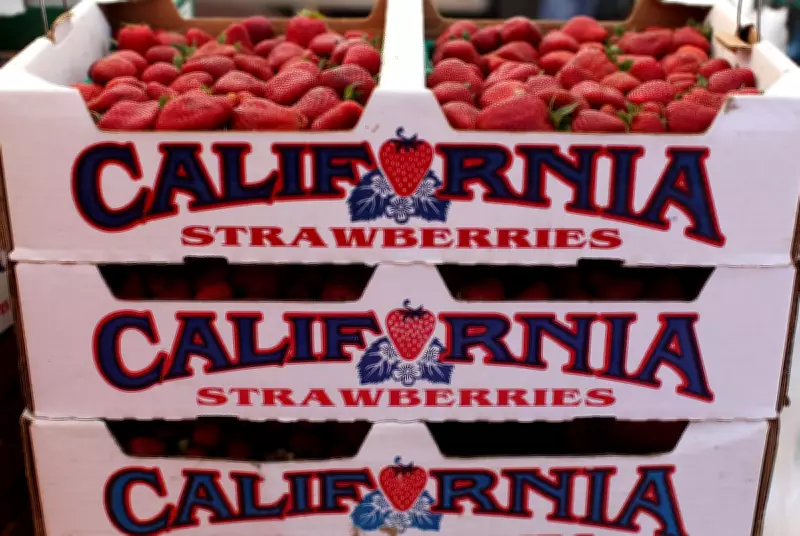
The EWG analysis, based on California Department of Pesticide Regulation records, examined 930 samples across 78 types of non-organic fruits and vegetables. It found that 348 samples, or 37%, showed PFAS residues. Specifically, about 90% of peaches, plums, and nectarines contained these chemicals, while 80% of strawberries and grapes were contaminated. Bernadette Del Chiaro, senior vice-president of EWG's California operations, expressed concern, noting that children, who commonly consume fruits like grapes and strawberries, are most at risk from the toxic effects of PFAS.
"Most consumers don't expect to find PFAS 'forever chemicals' on their strawberries – I think this information is shocking to most people," Del Chiaro added.

Understanding PFAS and Their Health Risks
PFAS, or per- and polyfluoroalkyl substances, are a class of at least 16,000 compounds used to make products resistant to water, stains, and heat. They are dubbed "forever chemicals" because they do not break down naturally and accumulate in the environment and human bodies. Linked to serious health issues such as cancer, kidney disease, liver problems, immune disorders, and birth defects, PFAS pose a significant public health threat. Advocates began raising alarms over PFAS in pesticides in 2023, with studies showing that at least 60% of active ingredients in common pesticides fit the PFAS definition.
Environmental and Regulatory Challenges
The contamination extends beyond food, as PFAS persist in the environment and pollute drinking water supplies. For instance, Fresno, an agricultural region, recently sued PFAS makers over groundwater pollution exceeding federal limits by 600%, affecting over 120,000 homes. A previous EWG analysis found that 2.5 million pounds of PFAS are spread on California cropland annually. Del Chiaro criticized the regulatory oversight, stating, "Here's a chemical that we in society at large are trying to get out of our environment and drinking water ... and yet here on the flip side there is a regulatory agency permitting its use on crops."
Legislative Response and Industry Opposition
In response, California has introduced legislation to ban PFAS as active ingredients in pesticides by 2035. The bill, proposed by Assemblymember Nick Schultz, would also impose a moratorium on new PFAS pesticide approvals and require warning labels. Schultz emphasized, "We are providing a clear, responsible road map for our farmers to transition away from these persistent chemicals while re-establishing California as a global leader in food safety." However, the pesticide industry is expected to mount a fierce campaign against the bill. Similar bans have already passed in Maine and Minnesota, increasing the likelihood of adoption in California.
Uncertain Health Impacts and Research Gaps
Health impacts of PFAS pesticides remain unclear due to limited research. Varun Subramaniam, a report co-author and EWG analyst, noted that produce may contain multiple PFAS pesticides, but regulatory systems only account for risks from single chemicals. "We know people are exposed to cocktails of pesticides and literature shows that these combinations can often be more harmful, so that's a blind spot for the EPA at the moment," he explained. The proposed legislation aims to address this by banning 23 PFAS pesticides already prohibited in the European Union by 2030.

Political Dynamics and Future Outlook
Governor Gavin Newsom, a potential 2028 Democratic presidential candidate, has not commented on the pesticide bill. In December, he vetoed a bill banning PFAS in cookware after industry pressure, raising concerns about his stance on this issue. The bill's fate will depend on balancing environmental protection with industry interests, as California seeks to lead in food safety while mitigating health risks from forever chemicals.