Mouse Plague Alarms WA Farmers as Burrows Surge to 4,000 Per Hectare
Grain growers in Western Australia are on high alert as mouse numbers reach plague proportions, with similar surges reported in South Australia, posing a significant threat to agricultural operations.
Plague Conditions Declared in Western Australia
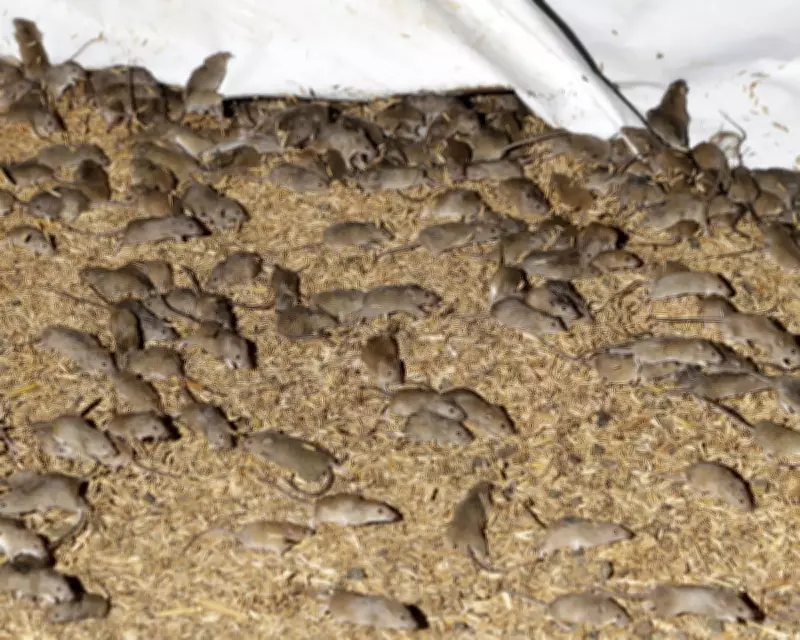
Steve Henry, a CSIRO researcher specializing in mice and their impact on the grain industry, has confirmed that the situation in Western Australia now warrants the term "plague." He noted that reports indicate up to 3,000 or 4,000 mouse burrows per hectare in affected areas, far exceeding the threshold of 800 mice per hectare considered a plague. "That's real cause for concern. It's a plague under any circumstances," Henry emphasized.
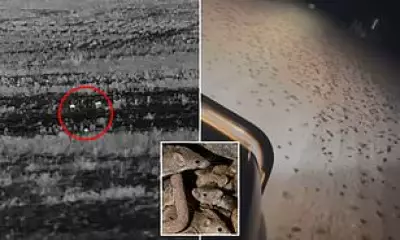
The most affected regions are around Geraldton, approximately 400 kilometers north of Perth, with similar issues emerging in the southern parts of the WA wheatbelt. Video evidence shared by WA Farmers' Mark Fowler vividly shows mice scurrying across farming land, underscoring the severity of the infestation.

South Australia Also Grapples with Rising Numbers
On the Adelaide plains, mouse numbers are already "extremely high" and "very concerning for farmers," according to Henry. This escalation mirrors patterns seen in previous outbreaks, such as the 2020-21 plague in eastern Australia, which caused an estimated $1 billion in damage. That event exposed communities to pesticides and diseases, increased stress levels, and affected livestock health due to contamination of feed and water with mouse urine and carcasses.
Rapid Escalation and Breeding Cycles
The current situation could deteriorate quickly due to the prolific breeding habits of mice. Female mice can start reproducing from as young as six weeks old, producing up to 10 offspring every 19 to 21 days. This rapid reproduction rate allows populations to explode under favorable conditions, such as after periods of low rainfall followed by rain, which Henry identified as a historical trigger for significant outbreaks.
Psychological and Economic Impacts
Henry highlighted the profound psychological effects of mouse plagues on farmers, stating, "Mice aren't like other problems that farmers have. Because, if you've got a drought, you can go inside, and close the door and switch on the air conditioner and get a bit of respite from it. But, if you've got a mouse plague, you go inside and the mice are in the house and you literally can't get away from them." Studies indicate that mouse plagues occur in Australia every four to five years, causing devastating economic, social, and environmental damage.
Government and Industry Response
Agriculture Minister Julie Collins acknowledged the challenges farmers face, including impacts from global conflicts on fuel and fertilizer costs, with mice adding another layer of difficulty. "We know that there's a lot on their plate, and we want to keep them farming," she told ABC radio.
Andrew Weidemann from Grain Producers Australia called for access to higher-dose zinc phosphide (ZP) mouse baits, arguing that the current ZP25 strength is inadequate for effective control in paddocks. Mark Fowler, president of the WA Farmers grains section, stressed the urgency of the issue, noting that seeding is underway, making it the optimal time for baiting. "We have an urgent problem that exists right now," he said.
Monitoring and Recommendations
The latest CSIRO mouse forecast advises farmers to monitor mouse activity closely, consider applying baits during seeding in high-activity areas, and reduce the availability of alternative food sources. While mouse activity remains low in Victoria, New South Wales, and Queensland, the focus is on containing the outbreaks in Western and South Australia to prevent widespread damage similar to past plagues.