Iowa Farm Abandons Industrial Pork for Artisan Mushroom Venture
In a bold departure from tradition, a sixth-generation Iowa farm has severed ties with big meat corporations to focus on cultivating lion's mane and oyster mushrooms. This unexpected evolution into an independent artisan food firm represents a growing rebellion against the oppressive industrial agricultural system.
From Pigs to Fungi: A Family's Transformation
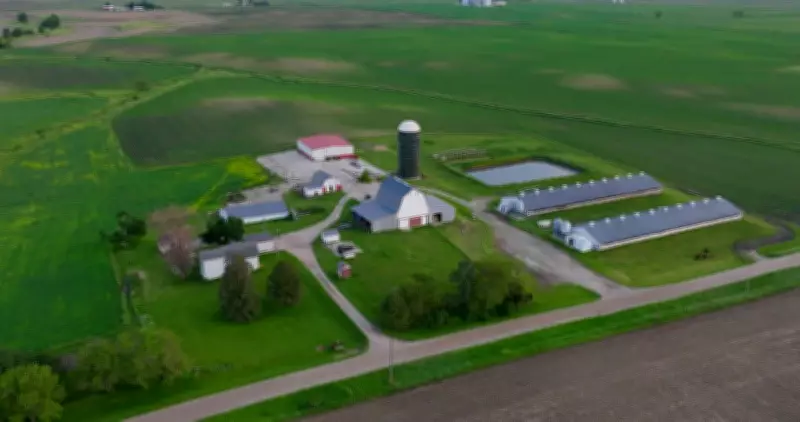
Tanner Faaborg, a lifelong Iowa farmer, knew his plan to convert the family's livestock operation—which housed over 8,000 pigs annually—into a mushroom farm might draw skepticism. He anticipated laughter from peers but was surprised when his older brother, a veteran pig manager overseeing 70,000 animals across five counties, initially scoffed at the idea. However, that skepticism quickly turned into support, with his brother eventually quitting his job to join the venture.
Katherine Jernigan, director of the Transfarmation Project at Mercy for Animals, notes that the brother is now the most dedicated team member, deeply attuned to the mushrooms' growth. The non-profit assisted the Faaborgs in establishing their new business, 1100 Farm, by providing guidance on repurposing infrastructure and offering business advice on marketing, branding, and direct-to-consumer sales.

The Transfarmation Project: Paving the Way for Change
Launched in 2019, the Transfarmation Project collaborates with farms across the United States seeking to escape industrial animal agriculture, often conducted under contract for major meat companies. The initiative promotes a sustainable, fully independent business model by:
- Offering expertise on adapting existing facilities for alternative crops.
- Providing business strategies to identify markets and build online presence.
- Awarding research and innovation grants to ease financial transitions.
The Faaborgs now produce functional mushroom-based products like tinctures and salts, sold directly online, moving away from intensive farming practices that harm the environment and farmer well-being.
Mental Health and Economic Pressures in Industrial Farming
The concentrated animal-feeding operation (CAFO) model not only impacts the environment but also takes a severe toll on mental health. Tanner Faaborg recalls how his family's shift to this system about 30 years ago, prompted by loans from big meat companies to build hog barns, transformed their lifestyle. What was once a homesteading existence with named animals and enjoyable chores became a stressful job focused on debt repayment and bill collection, eroding pride and self-worth.
Government data indicates a decline in rural populations over the past decade, as young people migrate to urban areas for better opportunities. Many farmers, burdened by unmanageable CAFO-related debt, find themselves in despair. The Transfarmation Project aims to demonstrate that alternative, autonomous models are viable, offering hope and practical solutions.
A Broader Vision for Agricultural Reform
Jernigan emphasizes that the project's goal extends beyond individual farm transitions to showcasing a different agricultural system. By helping farmers understand they are part of a flawed system, the initiative empowers them to seek change. The Faaborgs' story exemplifies this, as they now feel excited about their work and its connection to nature, advocating that any family can achieve similar success.
Tanner reflects that their family, with a background in welding and decades in hog farming, was an unlikely candidate for this transformation. Yet, their journey proves that sustainable alternatives are accessible, inspiring others to envision a different future for farming.