Houseplant Myths Debunked: The Truth About Watering Your Indoor Jungle
In the world of indoor gardening, a quirky plant influencer is setting the record straight on common watering misconceptions. Jonny Balchandani, better known as @thebeardedplantaholic, has cultivated a massive social media following by debunking age-old advice that often leads to overwatered, unhappy plants.
The Overwatering Epidemic
Balchandani, a self-taught plantsman and digital marketing director from Malvern, lives with his wife, two children, and an astonishing indoor jungle of 5,000 to 6,000 plants. In his debut book, You’re Overwatering It!, he dismisses the pervasive myth that houseplants require a strict weekly watering schedule. Instead, he advocates for a more intuitive approach.
Forget the calendar; your finger or a simple chopstick is all you need to gauge moisture levels. "Stick your finger into the soil before watering. If soil clings to your finger, leave the plant alone. The same principle applies with a chopstick," he explains. "If it comes out clean and the soil is bone dry, give the plant a thorough soak, let it drip dry, and return it to its spot."

Recognizing and Rescuing Overwatered Plants
Overwatering isn't always a death sentence, but it requires swift action. Balchandani distinguishes between minor overwatering and severe cases. "If you've only added a small cup extra, the plant might recover. However, daily litre drenches or waterlogged pots without drainage holes can lead to stagnant water and root rot," he warns.
To rescue an overwatered plant, he advises: Remove it from the pot and soil. Inspect the roots and stem for mushiness or black spots. Hose down the roots to assess damage, cut away any rotten parts, and let it scar for 30-60 minutes before repotting in fresh, dry soil.
Plant-Specific Watering Needs
Not all plants have the same thirst. Balchandani notes that species like alocasias, calatheas, and certain begonias prefer consistently moist soil, while others, such as Monstera and philodendron, tolerate drying out more. Syngoniums and Rhaphidophora are particularly drought-tolerant.
Environmental Factors and Water Uptake
Positioning plays a crucial role in watering frequency. "Plants in brighter light photosynthesize more, consuming more water. In duller spaces, they'll need less frequent watering," Balchandani explains. Other factors like pot size, substrate, central heating, and drafts also impact a plant's health.
Debunking Humidity Myths
Many believe bathrooms are ideal for humidity-loving plants like ferns, but Balchandani challenges this. "Most bathrooms are only humid during brief showers, then become cold. Short-lived steam won't suffice," he says. Instead, consistent humidity, temperature, light, and potting medium are key to mimicking tropical habitats.
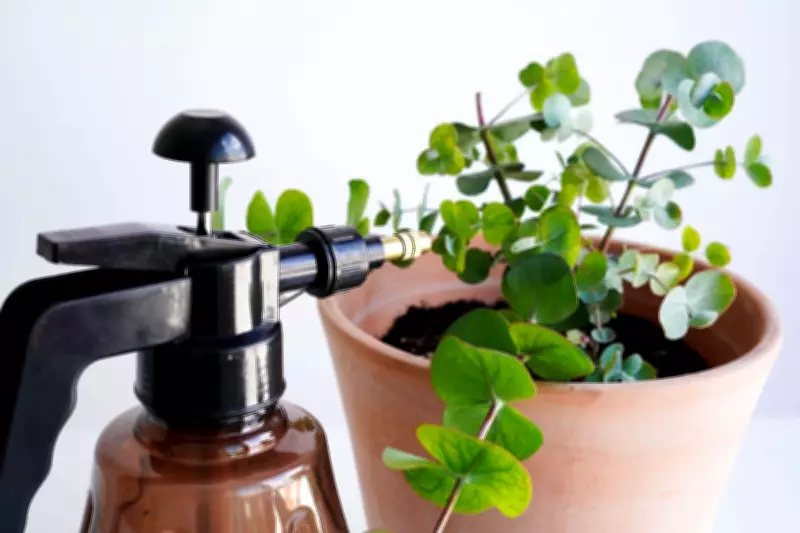
He also dismisses misting as ineffective for boosting humidity. "Misting creates a short spike that quickly dissipates. For real results, consider investing in a plant humidifier," he suggests.
Signs of Distress
Overwatered plants often appear sad, with wilted or browning leaves. However, these symptoms can also indicate underwatering, requiring closer inspection. "Some plants, like pothos, curl leaves when thirsty, while peace lilies wilt. But many aren't as obvious, and by the time signs appear, root rot may have set in," Balchandani cautions.
You’re Overwatering It! A Plant Guru’s Guide To Houseplants by Jonny Balchandani, published by Ebury and priced at £25, is available now with photography by Dave Brown. This guide offers a fresh, evidence-based perspective for nurturing a thriving indoor garden.